← Back to bench2 min build note
DIY note
10 Surprising Facts About Polar Bears
Polar bears depend on Arctic sea ice for survival—using it as a platform to hunt seals, breed, travel, and sometimes den. They live across five polar bear nations: Canada, the U.S., Russia, Norway, and Greenland. About two-thirds of the global population resides in Canada. Unlike penguins, polar bears are not found in Antarctica.
E
Elena Vance
Maker
Bench tip
Read the full note below and keep tools nearby.
Shelf
Hobby build
Their Home Is the Sea Ice
Polar bears depend on Arctic sea ice for survival—using it as a platform to hunt seals, breed, travel, and sometimes den. They live across five polar bear nations: Canada, the U.S., Russia, Norway, and Greenland. About two-thirds of the global population resides in Canada. Unlike penguins, polar bears are not found in Antarctica.
The Largest Bear Species
Polar bears are the biggest of all bear species. Adult males typically weigh between 350 and 600 kilograms, while females range from 150 to 290 kilograms. Standing on all fours, they measure about 1 to 1.5 meters at the shoulder, but an adult male can tower over 3 meters when upright.
Remarkable Long-Distance Travelers
These bears are incredibly mobile, capable of traveling more than 3,000 kilometers in a single month. Their home ranges can exceed 600,000 square kilometers—larger than many countries or states. Scientists track their movements using satellite collars and online mapping tools.
Born in Snow Dens
Pregnant females dig snow dens in autumn, where they give birth and nurse their cubs through the winter. After the entrance is covered by snow, the family remains hidden until spring, when the mother leads her cubs to the sea ice—often after fasting for up to eight months.
Rapid Early Growth
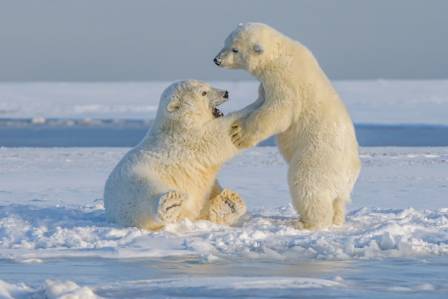
Newborn cubs weigh only about 500 grams but grow over twentyfold within a few months. By the time they leave the den, cubs can already weigh 11–14 kilograms, thanks to their mother’s extremely rich milk, which contains about 31% fat.
Specially Adapted Paws
Polar bear paws can measure up to 30 centimeters across. Fur between their toes provides insulation, while rough footpads covered in papillae prevent slipping on ice. Their large paws also function as paddles and rudders, aiding in swimming.
Fur That Isn’t White
Their fur appears white but is actually transparent and hollow, reflecting sunlight to give it a bright appearance. This two-layered coat provides such effective insulation that adult males can overheat during intense physical activity.
High-Fat Diet
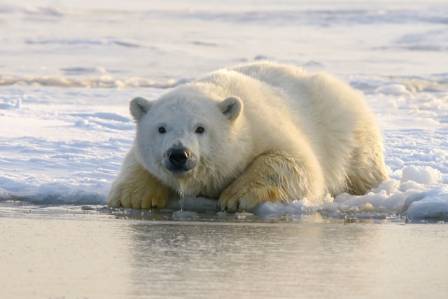
Polar bears are highly carnivorous, specializing in consuming seal blubber. They can eat over 45 kilograms in one meal and efficiently convert dietary fat into body fat, relying on this energy reserve during long fasting periods.
Top of a Sea-Ice Food Web
While polar bears sit at the top of the Arctic food chain, their survival is rooted in marine algae growing within sea ice. This algae supports tiny organisms, fish, seals, and ultimately the bears—showing how interconnected Arctic ecosystems are.
Hope Through Action
Despite urgent threats from climate change and sea ice loss, timely global action to reduce carbon emissions can preserve polar bear habitat. Saving polar bears also means protecting the broader Arctic ecosystem—and ultimately, benefiting life worldwide.
Nearby projects

· en
Shy but Striking: A Closer Look at the Elusive Bullfinch
Victor Lane

· en
Make Your Own: Rope Side Tables
Felix Aldridge

· en
10 spots to marvel at Victoria Harbour
Darius Lennox

· en
Top 10 Bay Window Dining Table Ideas
Clara Wren

· en
Effective Indoor Attire for Maintaining Body Heat
Alexander James Whitmore

· en
Most Beautiful Supercars in the World
Mason Hayes