DIY note
Best Single Chairs for Living Room
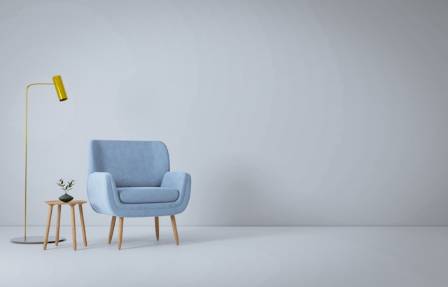
Over the past decade, I’ve specified hundreds of individual chairs for living spaces, and the ones that truly transform a room strike a balance between sculptural appeal, ergonomic design, and resilient materials.
Chloe Dean
Maker
Bench tip
Read the full note below and keep tools nearby.
Shelf
Hobby build
Over the past decade, I’ve specified hundreds of individual chairs for living spaces, and the ones that truly transform a room strike a balance between sculptural appeal, ergonomic design, and resilient materials.
A great lounge chair should welcome you in, look polished from all perspectives, and withstand everyday use—whether reading, scrolling, napping, or entertaining. The ideal proportions sit at the crossroads of seat height (generally 16–18 inches for most adults), a supportive back angle, and armrests that don’t interfere with side tables.
Comfort extends beyond the feel—it can be quantified. The WELL v2 guidelines emphasize seating that supports posture and encourages movement, reducing musculoskeletal stress. IES standards recommend layered lighting for tasks like reading in lounge areas (300–500 lux with a warm 2700–3000K temperature for residential comfort). Steelcase research highlights that people shift positions every 8–10 minutes in lounge chairs, making flexibility essential. Color also affects mood: warm shades can invigorate, while cooler tones promote relaxation, a principle to consider when choosing upholstery. For more on occupant wellness and lighting design, consult WELL v2 and IES standards at wellcertified.com and ies.org/standards.
Scale plays a key role. Studies by Gensler link spatial comfort to how people perceive quality—a principle that applies at home as well. Chairs that block pathways or sightlines are less likely to be used. I recommend maintaining 30–36 inches of circulation space and at least 18 inches between a chair and coffee table. In smaller rooms, armless or low-arm designs help preserve flow and maintain clear lines of sight.
Key Design Guidelines for Single Living Room Chairs
Proportion and Presence: Standard widths of 28–34 inches suit most living rooms. Smaller spaces benefit from 26–28 inch chairs with light bases like slim metal or open wood frames. Larger rooms can accommodate 36–40 inch designs with more dramatic presence.
Seat Height and Depth: Heights of 16–18 inches work for most adults. A 20–22 inch seat depth is ideal for reading, while 23–25 inches creates a more relaxed, lounge-like feel. Shallower seats convey formality; deeper ones invite lounging.
Back Angle: A 100–110° hip-to-torso angle supports lounging without slouching. Chairs with a gentle canted back and lumbar contour keep you comfortable during extended conversations.
Arm Design: Slim, slightly angled arms allow multiple sitting positions and easy access to side tables. For curled-up lounging, consider lower, wider arms that can double as a perch for books.
Cushioning: High-resilience foam wrapped in down or synthetic alternatives provides comfort without losing shape. For low-maintenance homes, dual-density foam with a fiber wrap maintains structure over time.
Upholstery and Finish Durability: For households with pets or children, look for fabrics with 30,000+ Wyzenbeek double rubs or 40,000+ Martindale cycles, solution-dyed fabrics, and removable covers where possible. Leather can age gracefully; semi-aniline leather offers protection while still developing character.
Chair Styles That Work Every Time
Curved Swivel Lounge: Tub or barrel shapes on a swivel base encourage social interaction. Rotation allows easy pivoting between TV, views, or conversation. Opt for a 28–34 inch width with a snug back and soft seat, paired with a small drum side table for unobstructed swivel motion.
Modern Wingback: High back with slim wings and tailored seating conveys sophistication without bulk. Legs that visually lift the chair—tapered wood or metal sleds—complement reading nooks with focused task lighting.
Scandinavian Low-Profile Lounge: Exposed wood frames and lean cushions feel light and architectural, ideal for smaller spaces. Balance with a textured rug and low table to avoid a spindly appearance.
Mid-Century Reclined Shell: Gentle recline, molded arms, and ample headrest make a corner a destination spot. Position on axis with a fireplace, art wall, or garden view for maximum impact.
Armless Slipper Chair: Compact and flexible, perfect in pairs for window seating or flanking a media console. Taller legs and firm seats keep posture upright for short conversations.
Statement Sculptural Lounge: Asymmetrical arms, dramatic curves, or artisan wood frames create a focal point. Keep surrounding furniture minimal to let the chair shine.
Placement and Flow
A chair’s performance depends heavily on placement. Maintain 36 inches for primary walkways; in tighter layouts, 30 inches is acceptable. Keep 8–12 inches from arm to side table and 18 inches to a coffee table. Pre-visualize layouts using a room planner to avoid scale mistakes—Coohom’s online tool is one option.
Color, Texture, and Atmosphere
Use your chair as a color pivot. Neutral sofas pair well with saturated accent chairs (rust, forest, indigo) echoed in pillows or art. Cool blues and greens support calm environments, layered with textured fabrics like boucle or heathered wool. In bright rooms, UV-stable fabrics prevent fading. Small spaces benefit from tonal layering to maintain sophistication without visual clutter.
Lighting and Acoustic Comfort
Reading chairs need focused light: 2700–3000K with 90+ CRI, glare control via shades or adjustable arms. Dense rugs under chairs reduce echo and dampen footfall, while fabric upholstery absorbs mid-range sound frequencies, enhancing conversation clarity.
Materials and Sustainability
Seek FSC-certified wood frames, low-VOC finishes, and long-lasting textiles. Detachable cushion covers extend lifespan through cleaning or reupholstery. Performance fabrics resist stains and wear, while semi-aniline or pigmented leathers age gracefully in daily use.
Recommended Chairs by Room Type
Small Rooms: Armless slipper or Scandinavian low-profile, 28–30 inches, light legs, open frames.
Medium Rooms: Wrapped swivel or modern wingback, 30–34 inches, pair with slim side table and floor lamp.
Large Rooms: Sculptural lounge or mid-century shell, 34–40 inches, consider two chairs across a generous coffee table.
Family Homes: Tightly upholstered chairs with removable covers, double-stitched seams, and performance fabric.
Collector’s Spaces: Statement chair in bold silhouette, neutralize surroundings to let the piece dominate.
Styling Tips
Anchor with a 24–30 inch round or 18–22 inch square side table. A single 18–20 inch throw pillow works best; larger pillows overwhelm. A lightweight throw draped perpendicular to the seat maintains tidy lines. Mix leg styles to create visual rhythm without chaos.
Common Pitfalls
Oversized arms blocking table access.
Excessively deep seats (>25 inches) without lumbar support.
Glossy leather in sunny rooms causing glare.
Insufficient swivel clearance (keep 6–8 inches from side tables).
Selecting fabric based solely on color—always check durability and texture.
FAQs
Q1: Optimal seat height?
16–18 inches for most adults; taller users may prefer 19 inches.
Q2: Space around a chair?
30–36 inches for main circulation, 18 inches to coffee table, 8–12 inches from side table.
Q3: Best fabrics for kids and pets?
Solution-dyed performance textiles, tightly woven blends, or semi-aniline leather.
Q4: Are swivel chairs practical?
Yes—they allow rotation without moving the base, reducing strain and encouraging interaction.
Q5: Recommended lighting for reading?
2700–3000K lamp at 300–500 lux, with shade or adjustable head to reduce glare.
Q6: How to choose color?
Determine room mood first—warm energizes, cool relaxes. Use the chair as a controlled accent.
Q7: Small room chair styles?
Armless slipper chairs, Scandinavian low-profile, or open-frame designs under 30 inches wide.
Q8: How to test proportions?
Mark dimensions on the floor, use books to mimic seat height, or try an online planner.
Q9: Long-lasting cushion fill?
High-resilience foam with fiber wrap; down adds softness but requires fluffing.
Q10: Does a high back guarantee comfort?
Not always; lumbar support and back angle matter more than sheer height.
Q11: How many accent chairs?
One or two is typical; larger rooms can accommodate more if circulation allows.
Q12: Improving acoustics on hard floors?
Use upholstered chairs, rugs, and drapes to absorb reflections and dampen noise.
Nearby projects

· en
What Is Feather Reed Grass
Wren Foster

· en
The Cultural and Spiritual Significance of Trees
Versace

· en
Talking To Your Parrot
Rebecca Carter

· en
10 Things You Didn’t Know About Kittens
Mia Thompson

· en
Greenland: The world's largest island
Maxwell Crawford

· en
Unveiling the Hidden Perks of Pet Companionship: A Wellness Boost
Liam William