← Back to bench2 min build note
DIY note
Four Essential Pieces of Knowledge About the Pileated Woodpecker
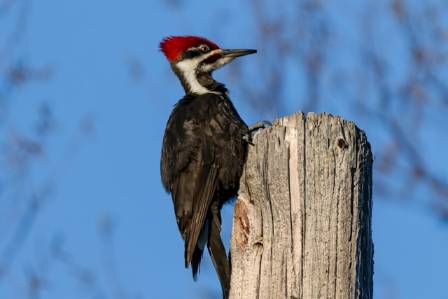
The Pileated Woodpecker stands as one of North America's most impressive and distinctive forest dwellers. Comparable in stature to a crow, its jet-black plumage is dramatically accented by vivid white stripes along the neck and a brilliant crimson crest.
R
Richard Martinez
Maker
Bench tip
Read the full note below and keep tools nearby.
Shelf
Hobby build
Appearance & Identification
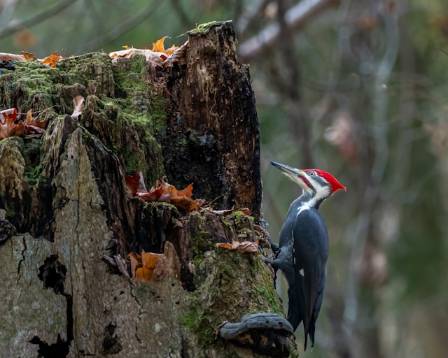
The Pileated Woodpecker stands as one of North America's most impressive and distinctive forest dwellers. Comparable in stature to a crow, its jet-black plumage is dramatically accented by vivid white stripes along the neck and a brilliant crimson crest. This striking bird can be observed and heard drumming on decaying trees and fallen timber as it searches for its primary food source—carpenter ants. Its foraging activity leaves behind unmistakable rectangular excavations in wooden surfaces.
Ecological Role & Behavior
The cavities created by these woodpeckers provide essential nesting and roosting sites for numerous other creatures including swifts, owls, wood ducks, bats, and American martens. Occasionally, they visit residential feeding stations, particularly showing interest in suet cakes. Property owners with dead or declining trees might consider preserving them, as these snags serve as valuable foraging, resting, and potential nesting sites for Pileated Woodpeckers and other wildlife like nuthatches and smaller woodpecker species.
Attracting & Supporting
To encourage breeding pairs, installing specially designed nest boxes before the breeding season begins can be effective. These should include predator guards to protect eggs and nestlings from raccoons and other threats.
Noteworthy Characteristics
This species creates uniquely rectangular foraging holes while searching for carpenter ants. Their excavations can become so extensive that they occasionally compromise smaller trees, causing them to split.
The substantial cavities and feeding sites they create frequently become feeding stations for other species including smaller woodpeckers and House Wrens.
For nesting, Pileated Woodpeckers show strong preference for mature trees. In younger woodlands, they utilize any remaining large trees from the previous forest stand. These prominent trees, being taller than their surroundings, unfortunately pose increased lightning risks to nesting birds.
Mated pairs maintain year-round territory, defending their domain vigorously through most of the year while showing increased tolerance to intruders during winter months.
The longevity record for this species comes from a banded male in Maryland, who was recaptured and released at a confirmed age of at least 12 years and 11 months.
Nearby projects

· en
Most Beautiful Valleys in the World that look otherworldly
Theo Calder

· en
Delightful Fresh Fruit Cake
Avery Quinn

· en
8 Smart Posing Tricks to Nail Sunglasses Photos
Jensen

· en
The Five Most Renowned Landmarks in France
Faith

· en
Gorilla: The Largest of the Great Apes
Lily Brooks

· en
The Pinnacle of Luxury: 7 Prestigious Clothing Brands
Penelope Sage