DIY note
The Most Majestic Mute Swans: A Closer Look
Mute Swans, known scientifically as Cygnus olor, are among the most photographed and celebrated waterbirds. Renowned for their graceful presence, orange beaks, and enduring pair bonds, they captivate observers from coastlines to lakeshores. This article explores their identification, life cycle, breeding habits, and more, presenting a concise portrait of these iconic birds.
Daniel Scott
Maker
Bench tip
Read the full note below and keep tools nearby.
Shelf
Hobby build
Introduction
Mute Swans, known scientifically as Cygnus olor, are among the most photographed and celebrated waterbirds. Renowned for their graceful presence, orange beaks, and enduring pair bonds, they captivate observers from coastlines to lakeshores. This article explores their identification, life cycle, breeding habits, and more, presenting a concise portrait of these iconic birds.
Identification
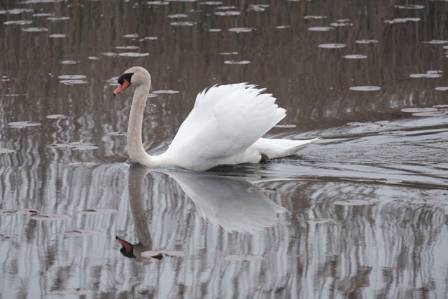
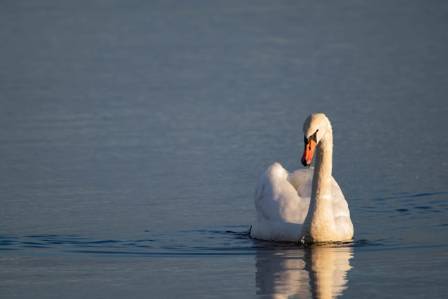
Coloring Adult mute swans are all white with bright orange beaks. Feet can reveal their cygnet heritage, as there are two color morphs:
- Royal morphs: greyish-brown as cygnets, dark grey or black feet as adults.
- Polish or leucistic morphs: beige-white as cygnets, lighter beige feet as adults. In the UK, royal morphs are particularly associated with royal tradition. Royals are more common in North America, but both morphs can appear within the same brood. Feather development As real feathers replace down, both morphs become whiter, though Royals may retain darker patches for up to a year or more. Beaks of Royals also take longer to brighten from juvenile black to orange.
Size Fully grown males weigh about 26 pounds (12 kg) and females about 22 pounds (10 kg). Wingspan exceeds 5 feet (150 cm). Among waterbirds, only trumpeter swans surpass them in size.
Life Cycle and Mating
Life cycle Juvenile swans leave their parents at 6–10 months and may form flocks until reaching sexual maturity at 2–3 years, when they select a mate.
Mating and breeding Breeding season spans March to April. The cob (male) and pen (female) build a nest in a sheltered, water-adjacent site. Their courtship involves calls, synchronized neck movements, and head-dunking, culminating in a synchronized, chest-to-chest rise and a soft trill. Clutch and incubation The female lays a clutch of 5–9 eggs, laying every day or two until the clutch is complete. Incubation begins once the clutch is complete, with the pen on the nest nearly continuously. A brood patch forms on her abdomen to warm the eggs, and she rotates the eggs with her beak to ensure even development. The male guards the territory and protects the nest, sleeping on land at night to safeguard the eggs and offspring.

Hatching
Timing About 35 days after incubation starts, all eggs hatch within a day of each other, typically in May.
Development New hatchlings, or cygnets, are grey and wet, with black bills. They spend their first hours under the mother’s wings, then explore. A few days after hatching, the family leaves the nest; unhatched eggs are left behind. The pair will likely reuse the same nest site in the following spring if it proved safe and successful.
Pair Bonds and Family Ties
Mute swans are famous for their long-lasting pair bonds and cooperative parenting. Both parents contribute to feeding and protecting the cygnets, especially during the vulnerable early weeks after hatch.
Diet and Foraging
Their diet consists mainly of aquatic vegetation, supplemented by small aquatic animals. While the details of daily foraging are not described here, parental care during chick-rearing ensures steady food delivery to the growing cygnets.
Behaviour and Adaptations
Preening and bathing Mute swans regularly preen and bathe to maintain feather condition and buoyancy.
Sounds and communication They produce a variety of vocalizations and wing claps to communicate within the family and with other swans.
Flocking and territory While they form mating pairs, they may engage in larger assemblies seasonally and defend territories during nesting.
Stretching their legs Like many waterbirds, swans stretch their legs and necks during breaks from foraging and resting.
Defending territory Territorial defense is a part of their breeding strategy, protecting nests from competitors and predators.
Population and Range
Mute swans have a broad distribution across Europe and Asia, with established populations in North America as well. Their range and numbers can shift with habitat changes and seasonal migrations.
Our Bond with Mute Swans
Mute swans have a storied place in culture and ecosystems, symbolizing beauty and grace while playing roles in wetland health and biodiversity.
Nearby projects

· en
Top 10 Bay Window Dining Table Ideas
Clara Wren

· en
Strawberry Whipped Cream Recipe
Margaret Montrose

· en
Steps to Make Healthy, Delicious Salads
Thorne Calder

· en
Our Top 10 Most Distinctive Coin Banks
Robert Williams

· en
These Beaches Boast the World’s Bluest Waters
Natalie Evans

· en
Essential Methods for Growing Healthy Moth Orchids
Ryan Matthew Walker