DIY note
Things you probably didn’t know about Big Ben
If visiting Big Ben is part of your travel dreams, there is exciting news—the famous London landmark has completed its major restoration project. Before planning your trip, discover seven interesting facts about this legendary symbol of the British capital that many visitors may not know.
Adrian Holloway
Maker
Bench tip
Read the full note below and keep tools nearby.
Shelf
Hobby build
If visiting Big Ben is part of your travel dreams, there is exciting news—the famous London landmark has completed its major restoration project. Before planning your trip, discover seven interesting facts about this legendary symbol of the British capital that many visitors may not know.
For generations, Big Ben has represented London in postcards, movies, and travel guides. As many travelers say, seeing it in person instantly feels like a true London moment.
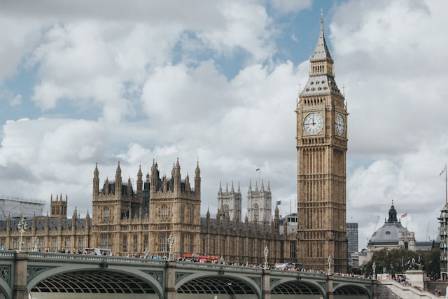
However, for several years, the famous clock tower looked very different. Since 2017, it had been covered in scaffolding while undergoing one of the largest conservation projects in its history. The restoration focused on repairing the structure, protecting the historic clock mechanism, and bringing back details from its original design.
Now that the renovation has been completed, visitors can once again admire the beauty of the tower, hear its famous chimes, and experience one of London’s greatest landmarks. Here are seven facts that make Big Ben even more fascinating.
Big Ben Is Not Actually the Name of the Clock Tower
Although almost everyone refers to the entire landmark as Big Ben, the name technically belongs only to the largest bell inside the tower.
The official name of this massive bell is the Great Bell. It stands about seven feet tall and weighs nearly 14 tons. The tower itself was originally known simply as the Clock Tower, but in 2012 it was renamed Elizabeth Tower to celebrate Queen Elizabeth II’s Diamond Jubilee, marking 60 years since she became monarch.
Big Ben Is Taller Than the Statue of Liberty
Elizabeth Tower reaches approximately 315 feet into the London skyline, making it slightly taller than the Statue of Liberty.
After the restoration work, visitors taking official tours of the tower must climb hundreds of stone steps to reach the belfry, although an elevator has also been added to improve accessibility. While access to the interior is limited, travelers from around the world can still admire the clock tower from the streets of Westminster or explore it through virtual experiences.
The Origin of the Name Big Ben Remains Uncertain
The story behind the famous nickname is still debated.
After the original Palace of Westminster was destroyed by fire in 1834, the new Parliament buildings were designed with a grand clock tower. One possible explanation connects the name to Sir Benjamin Hall, the official responsible for overseeing construction. He was known as a large man with a powerful voice, and workers may have jokingly named the enormous bell after him.
Another theory suggests that the nickname came from Benjamin Caunt, a popular English heavyweight boxing champion of the era.
Although the exact source remains unclear, the name Big Ben has become one of the most recognizable names in the world.
The Great Bell Has a Famous Crack
The current Great Bell is not the first one created for the tower.
The original bell was cast in 1856 but developed serious damage during testing. The metal was later melted down and used to create a replacement bell at the Whitechapel Bell Foundry.
The second Great Bell rang for the first time in 1859, but it also cracked only a few months later. Engineers eventually solved the problem by using a lighter hammer and slightly rotating the bell so the strike would hit a stronger section.
The famous crack remains visible today and has become part of Big Ben’s unique history.
The Restoration Revealed Big Ben’s Original Colors
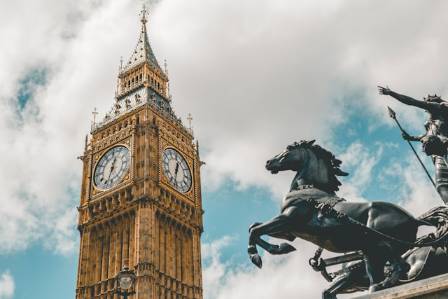
For many years, people knew Big Ben’s clock faces as black and white. However, restoration experts discovered that this was not the tower’s original appearance.
During the renovation, researchers examined layers of paint and found that the clock faces were originally decorated with Prussian blue. Multiple layers of darker paint were carefully removed to restore the tower closer to its historic design.
The completed restoration allows visitors to see Big Ben with details that had been hidden for generations.
Big Ben Is Slightly Leaning
Like the famous Leaning Tower of Pisa, Big Ben has a small tilt.
Experts discovered that the tower is leaning slightly toward the northwest, likely because of changes beneath the ground caused by soil conditions and nearby underground construction.
The angle of the tilt is only about 0.26 degrees, far smaller than the Leaning Tower of Pisa’s famous 4-degree angle. The movement is extremely slow and is not considered dangerous for thousands of years.
At its highest point, the top of the tower is displaced by around 20 inches, though most visitors would never notice it without careful measurement.
The Best View of Big Ben May Be From Above
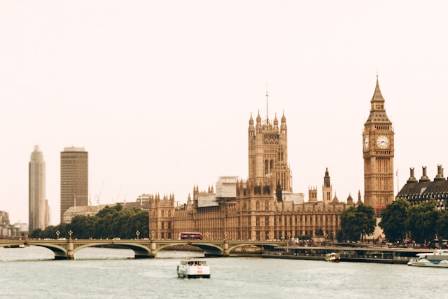
While many travelers photograph Big Ben from Westminster Bridge, one of the most spectacular perspectives comes from higher viewpoints.
The London Eye offers an unforgettable panoramic view of the clock tower, especially because the scenery changes dramatically between daytime and nighttime. During the day, visitors can see the details of Westminster, while after dark the illuminated tower creates a completely different atmosphere.
For those who prefer staying closer to the ground, viewpoints along the River Thames and beneath Westminster Bridge also provide excellent photo opportunities.
Big Ben is more than just a clock tower—it is a symbol of London’s history, architecture, and culture. Whether viewed from the street, the river, or high above the city, this iconic landmark continues to inspire millions of visitors every year.
Nearby projects

· en
8 Refreshing Alternatives to Water for Ultimate Hydration
Zoey Harper

· en
Create the Perfect Cozy Reading Nook
Lillian Ashford

· en
The Ultimate Buyer's Guide for Outdoor Lounge Chairs
Landon Pierce

· en
Interesting Facts About Ducks You May Not Know
Evan Taylor

· en
Ten top tips for life drawing
Mabel Quinn
· en
Beijing CBD: The Brightest Diamond on the Third Ring Road
Sarah Mitchell