DIY note
A Five-Step Methodology for Painting Animals and Beyond
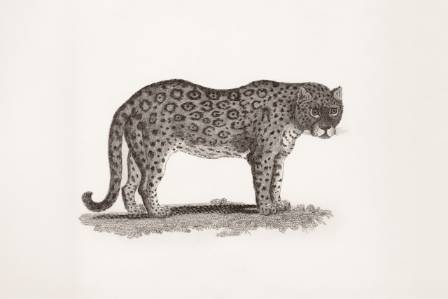
Mastering the depiction of animals can be a daunting task, as their proportions and facial structures differ significantly from human anatomy. It is a common struggle for artists to find that their horses resemble donkeys or that their subjects appear stiff. however, these challenges should not be a reason to abandon the craft. The following process is designed to help you navigate these difficulties, and while the focus here is on animals, this system is equally effective for painting still life objects, botanical subjects, or any other element of the natural world.
Isabella Morgan Pierce
Maker
Bench tip
Read the full note below and keep tools nearby.
Shelf
Hobby build
Mastering the depiction of animals can be a daunting task, as their proportions and facial structures differ significantly from human anatomy. It is a common struggle for artists to find that their horses resemble donkeys or that their subjects appear stiff. however, these challenges should not be a reason to abandon the craft. The following process is designed to help you navigate these difficulties, and while the focus here is on animals, this system is equally effective for painting still life objects, botanical subjects, or any other element of the natural world.
Gathering and Analyzing Visual References
The first stage of any successful project is deep immersion in your subject matter. Before picking up a brush, spend time getting to know the creature you intend to portray. It is helpful to curate a collection of high-quality images that offer three specific perspectives: close-up shots for intricate facial or textural details, full-body views to understand general proportions, and dynamic action shots to grasp how the body moves and folds. This research ensures you have a solid mental map of your subject before you begin the physical act of creation.
Planning the Composition and Light Values
Once you are familiar with the subject, transition to planning the layout on your paper. Start by visually marking the outermost boundaries—where the tip of a tail, the crest of a head, or the edge of a wing will sit. This prevents your drawing from running off the page. Following this, assess the light and dark values by squinting at your reference images until the details blur. This technique helps you identify the most prominent shadows and highlights. The darkest areas will require your most confident, bold strokes, while the lightest areas should remain relatively untouched, allowing the subject to "breathe" within the white space of the paper.
The Importance of Repetitive Practice
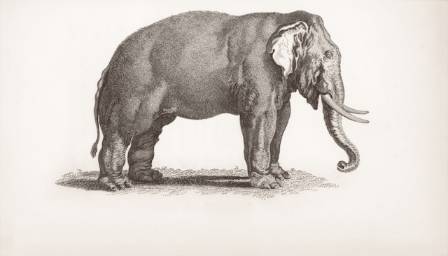
While small daily paintings can sometimes be done spontaneously, larger or more complex works benefit immensely from preparatory drafts. Filling a sketchbook with numerous versions of the same subject allows you to work through anatomical puzzles and compositional errors before moving to the final surface. Even experienced artists rely on this stage to refine their vision. Think of these sketches as a low-stakes environment where you can explore the form without the pressure of producing a finished masterpiece.
Embracing Boldness and Personal Interpretation
Art is an interpretation of reality, not a literal duplication. The most compelling animal portraits often showcase the artist's unique "hand" rather than photographic perfection. To encourage this boldness, try using permanent tools like brush pens or fine-liners for your drafts. These instruments discourage second-guessing and force you to move quickly, preventing stagnant or overworked lines. Furthermore, do not be afraid to emphasize the features you find most interesting. If you want to enlarge the eyes for a more expressive look or shorten a limb to fit your stylistic vision, you have the creative freedom to do so.
Consistency and the Value of Imperfection
The final and most critical phase of the process is repetition. It is unlikely that your initial attempts will be your favorites, but consistent effort is the only path to improvement. Accept that you will produce mediocre drawings; these are necessary stepping stones that allow you to identify what needs to change in the next iteration. By shifting your focus away from self-satisfaction and toward a celebration of the diversity of nature, your work will naturally become more relaxed and authentic. Embrace the "accidents" that occur during the process, as these often lead to the discovery of your most effective and cherished techniques.
Nearby projects

· en
Heavy Cream in Coffee: 3 Benefits & Recipes
Riley Harper

· en
Mountain Lakes Wilderness
Julian Marlowe
· en
The World's 5 Wealthiest Cricket Boards
Julia
· en
Different Types of Magnolia Trees
Dorian Hayes
· en
A Genuine and Sincere Account of Reaching the Summit — The Ultimate Adventure Journey
William Carter
· en
Volkswagen Beetle: Iconic Models, Design Evolution, and Cultural Legacy
Vivienne Sloane