DIY note
Volkswagen Beetle: Iconic Models, Design Evolution, and Cultural Legacy
The Volkswagen Beetle stands as one of the most recognizable vehicles in automotive history, admired for its distinctive silhouette and enduring popularity. First appearing in the late 1930s, it has evolved through multiple eras, with each generation contributing something new to its long-standing legacy. While not every version achieved the same level of success, together they shaped a cultural and automotive icon that remains influential today.
Vivienne Sloane
Maker
Bench tip
Read the full note below and keep tools nearby.
Shelf
Hobby build
The Volkswagen Beetle stands as one of the most recognizable vehicles in automotive history, admired for its distinctive silhouette and enduring popularity. First appearing in the late 1930s, it has evolved through multiple eras, with each generation contributing something new to its long-standing legacy. While not every version achieved the same level of success, together they shaped a cultural and automotive icon that remains influential today.
1. The Original Beetle
The story begins in 1938, when the first Beetle design was introduced. Production continued in various forms for decades, including an extended run in Mexico until 2003. This early model became one of the highest-selling cars ever made.
Its appeal came from its simplicity, low maintenance needs, and dependable engineering. Affordable and practical, it quickly became a global favorite. This foundation established the identity of the Beetle and set the tone for every future version.
2. The “Bug” Identity
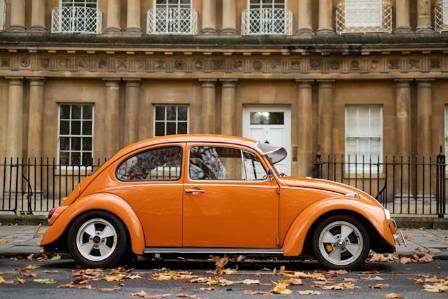
Often simply called the “Bug,” this version represents the most iconic visual identity of the Beetle. Its rounded shape and friendly design made it instantly recognizable across the world.
This iteration captured the essence of the brand: approachable, efficient, and enjoyable to drive. Over time, it became synonymous with Volkswagen itself and remains the defining image of the Beetle legacy.
3. Herbie the Love Bug
One of the most famous Beetles in history is “Herbie,” the character from Disney’s The Love Bug films beginning in 1968. With its racing stripes and number 53, Herbie became more than a car—it became a personality.
The character helped elevate the Beetle into global pop culture, turning it into a symbol of charm, humor, and emotional connection. Its popularity ensured the Beetle’s place not only in automotive history but also in film history.
4. The 1960s Convertible
In the 1960s, Volkswagen introduced a convertible variant of the Beetle, offering an open-air driving experience. While not as widely produced as the hardtop version, it added a new dimension to the model’s appeal.
The convertible attracted drivers who wanted a more relaxed and enjoyable driving style, contributing to the broader popularity of open-top cars during that era. It remains a beloved classic today.
5. The Super Beetle
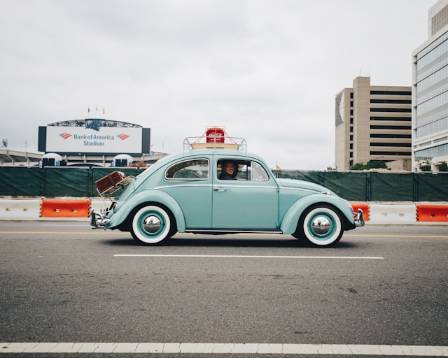
Arriving in the early 1970s, the Super Beetle introduced improvements in comfort, handling, and practicality. It featured upgraded suspension, a larger front storage area, and increased interior space.
Although its proportions differed from the original design, it delivered a more refined driving experience. This version marked a shift toward modernization while still maintaining the Beetle’s core identity.
6. The New Beetle (1998)
Volkswagen revived the Beetle nameplate in 1998 with the New Beetle. This modern reinterpretation combined retro styling with updated engineering and technology.
It featured improved safety systems, better performance, and a design that paid tribute to the original while appealing to contemporary buyers. The model achieved strong commercial success and introduced the Beetle to a new generation.
7. The Baja Beetle
During the 1970s, the Beetle was transformed for off-road competition, resulting in the Baja Beetle. Modified for rugged terrain and desert racing, it gained popularity in endurance events such as the Baja 1000.
With enhanced suspension and durability upgrades, it proved the Beetle’s versatility beyond city streets. This off-road variant remains a favorite in the customization community.
8. Convertible Revival (2013)
In 2013, Volkswagen reintroduced a modern Beetle convertible, blending contemporary engineering with classic open-top charm.
This updated version featured improved performance, updated engines, and modern safety technology while preserving the playful spirit of earlier convertibles. It helped renew interest in the Beetle lineup.
9. Beetle Turbo S
The Turbo S represented a performance-focused evolution of the Beetle. Equipped with a 1.8T engine, it significantly improved acceleration and driving dynamics compared to standard models.
Capable of reaching 0–60 mph in about 6.7 seconds, it was the quickest Beetle ever produced at the time. With a more aggressive design and enhanced speed, it introduced a sportier identity to the lineup.
10. The 2012 Modern Beetle
In 2012, Volkswagen launched a redesigned version simply known as “The Beetle.” This model adopted a more structured, angular shape while still referencing the original design language.
It incorporated modern powertrains, including efficient diesel and dual-clutch transmission options. This version balanced nostalgia with contemporary performance and efficiency.
Final Overview
Across decades of evolution, the Volkswagen Beetle has continuously adapted while maintaining its core personality. From its original 1930s design to modern reinterpretations, each version added a new layer to its story.
Whether as a cultural icon, a film star, a performance variant, or an off-road experiment, the Beetle remains one of the most enduring and beloved automobiles ever created.
Nearby projects
· en
The Spectacular Rise and Global Impact of Mazda
Adrian Foster
· en
The Fascinating World of Spotted Hyenas
Isadora Quinn
· en
Submersibles for Deep Sea Exploration
Isella Corbin

· en
Six reasons why cats make great pets
Mason Grey
· en
Beijing’s giant bird’s nest
Callum Rhodes
· en
The Timeless Charm of Mountain Houses with Natural Stone
Cora Winslow