DIY note
Learn about squirrels
Gray squirrels and red squirrels are familiar wildlife species found in many areas. Learn more about their appearance, diet, natural behaviors, preferred habitats, and useful ways to manage squirrel-related problems around homes and gardens.
Freya Hollis
Maker
Bench tip
Read the full note below and keep tools nearby.
Shelf
Hobby build
Gray squirrels and red squirrels are familiar wildlife species found in many areas. Learn more about their appearance, diet, natural behaviors, preferred habitats, and useful ways to manage squirrel-related problems around homes and gardens.
Gray and Red Squirrels in Massachusetts
Both gray squirrels and red squirrels are widespread and plentiful throughout Massachusetts. Gray squirrels can be found across the entire state, including the islands of Martha’s Vineyard and Nantucket, while red squirrels do not occur on either island. Red squirrels are sometimes called “pine squirrels” or “chickarees,” while gray squirrels are also commonly known as eastern gray squirrels.
Both species belong to the squirrel family, which also includes flying squirrels, chipmunks, and woodchucks.
Physical Characteristics
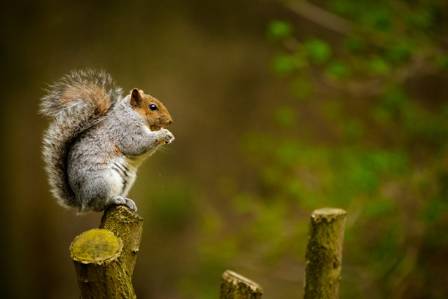
Gray squirrels are medium-sized tree-dwelling animals that are excellent climbers. Males and females look alike, with adults typically measuring between 15 and 20 inches long. Their tails usually range from 6 to 9.5 inches. Most gray squirrels have a gray, slightly mottled coat with white fur on the chin, throat, and underside. In some regions, black-colored individuals, known as melanistic squirrels, are also common.
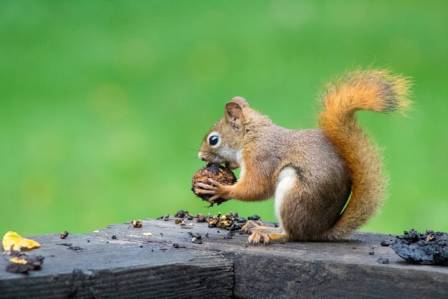
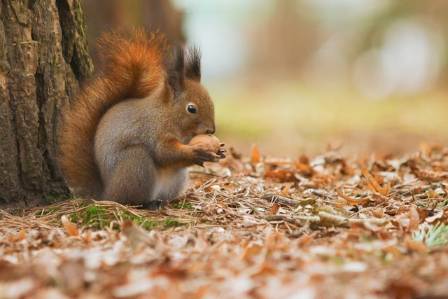
Red squirrels are smaller tree squirrels, with adults reaching about 10.5 to 15 inches in length. Their tails are generally 3.5 to 6 inches long. Both sexes have similar appearances, with rusty red or reddish-brown fur on the back and white to grayish-white fur underneath. Their tails are usually reddish and may have a slight yellow tint.
Life Cycle and Reproduction
Gray squirrels use different types of shelters, including leafy nests and natural tree cavities, to rest and raise their young. Leaf nests are usually built in hardwood trees, while cavities in living trees are preferred when available. They typically begin breeding between 10 and 14 months of age.
Young gray squirrels usually produce one litter each year, while adults may have two litters depending on food supplies. Breeding generally occurs during January and February in winter, and again from May through July in summer. After a pregnancy lasting about 44 to 45 days, females give birth to two or three young. The babies are weaned after approximately 8 to 10 weeks.
Red squirrels usually favor leafy tree nests but may also use rock shelters or underground burrows. They begin reproducing at around 10 to 12 months old and generally have one litter each year. Between one and seven young are born from March through May after a gestation period of 31 to 35 days. Young red squirrels are weaned at about 7 to 8 weeks of age.
Diet and Feeding Habits
Gray squirrels have a varied diet, but nuts make up a major portion of their yearly food intake. Acorns, hickory nuts, beechnuts, and walnuts can account for much of what they eat. They also consume berries, fruits, seeds, flower buds, flowers, and agricultural crops.
Red squirrels are also adaptable feeders, but they rely heavily on conifer seeds. Their diet includes fungi, tree buds, inner tree bark, and occasionally nuts, fruits, grains, insects, bird eggs, and young birds.
Behavior and Natural Habitat
Gray squirrels are most active during early morning and evening hours in spring, summer, and fall. During winter, they generally become active around midday. They are often especially busy in autumn when nuts are plentiful. Gray squirrels are not strongly territorial, although they may protect the area immediately surrounding their nests.
Red squirrels are active during daylight hours but may rest during very hot parts of the day. During harsh winter conditions, they may stay inside their nests for extended periods. Young squirrels often establish territories close to their mother’s home range. Unlike gray squirrels, red squirrels are territorial and will defend their space from others of the same species.
Gray squirrels adapt well to areas with people and frequently live in towns and suburbs with mature shade trees. They are also common in large hardwood forests, especially oak and hickory forests with thick vegetation. Red squirrels are most often associated with mature evergreen forests, including areas dominated by pine, spruce, and balsam fir. In suburban environments, they may live in small pine forests or mixed woodland areas.
Squirrels generally choose habitats that provide access to their preferred foods.
Protecting Gardens from Squirrels
Electric fencing or specialized small barriers can help prevent squirrels from entering gardens and small fruit-growing areas. Individual plants or short rows of crops can also be protected with chicken wire cages or dome-shaped covers until the plants become too large or less appealing to squirrels.
Preventing Squirrels from Entering Buildings
Squirrels sometimes enter attics, sheds, and crawl spaces for shelter or nesting. Once inside, they may damage insulation, chew wires, or harm parts of the structure.
To prevent entry, seal openings with strong half-inch wire mesh or hardware cloth. Before closing any openings, make sure squirrels are not trapped inside, as they may cause significant damage while trying to escape. Tree limbs and branches should also be trimmed back so they are at least 6 to 8 feet away from buildings, preventing squirrels from jumping onto roofs.
Certain repellents may discourage squirrels from using enclosed spaces. Commercial taste repellents can be applied to plants, seeds, flowers, shrubs, fences, and siding. However, poison products designed for rats and mice should never be used on squirrels, as they can harm wildlife, pets, and predators that consume poisoned animals. Using poison to eliminate wildlife is illegal, even when animals are inside buildings.
Keeping Bird Feeders Safe
Bird feeders can attract squirrels, especially when seeds fall onto the ground. Pole-mounted feeders can be protected with cone-shaped squirrel guards that stop squirrels from climbing upward.
Keeping the area beneath feeders clean is also important because spilled seeds can attract mice and squirrels, which may then attract predators.
Removing Problem Squirrels
Trapping can be an effective way to remove squirrels from enclosed areas such as attics. Any captured squirrel must either be released on the same property or handled through humane removal methods. Transporting and releasing wildlife in another location is illegal.
In places where firearm use is permitted and safe, shooting may be an effective option for removing a small number of persistent squirrels. Regulations should always be followed when using this method.
Squirrels are valuable members of Massachusetts wildlife and are considered game species. Their populations are managed through regulated hunting seasons and conservation programs.
Nearby projects
· en
The Timeless Grace of Phalaenopsis Orchids
Emily Baker

· en
Top 5 Waterfalls
Eliana Kingsley
· en
Giraffes: The Tallest Mammals on Earth
Elara Madden

· en
Ways to Create the Perfect Home Dining Area
Owen Sinclair

· en
Take in the View From 6 of the World’s Tallest Sea Cliffs
Penelope Sanchez
· en
Essential Techniques for Crafting Wire Sculptures
Noah Spencer Whitman