DIY note
The Timeless Grace of Phalaenopsis Orchids
Phalaenopsis, widely referred to as the moth orchid, derives its name from blossoms that resemble fluttering butterfly wings. As a member of the Orchidaceae family, it ranks among the most favored orchids in contemporary horticulture. Its diverse and vivid coloration, combined with its extended blooming period, has earned it the reputation of the “Queen of Orchids.” Beyond being popular among home gardeners, it also plays a significant role in the commercial floral industry, making it a perfect choice for gifts and decorative displays. This article offers a detailed introduction to its biological traits, cultivation techniques, typical issues, and cultural importance.
Emily Baker
Maker
Bench tip
Read the full note below and keep tools nearby.
Shelf
Hobby build
Phalaenopsis, widely referred to as the moth orchid, derives its name from blossoms that resemble fluttering butterfly wings. As a member of the Orchidaceae family, it ranks among the most favored orchids in contemporary horticulture. Its diverse and vivid coloration, combined with its extended blooming period, has earned it the reputation of the “Queen of Orchids.” Beyond being popular among home gardeners, it also plays a significant role in the commercial floral industry, making it a perfect choice for gifts and decorative displays. This article offers a detailed introduction to its biological traits, cultivation techniques, typical issues, and cultural importance.
Biological Characteristics
Morphological Features
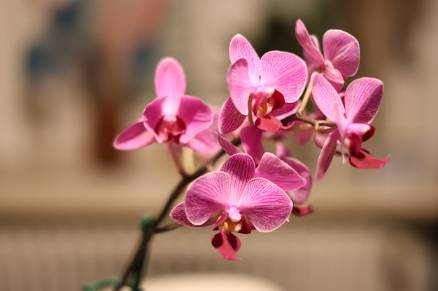
Phalaenopsis plants display a graceful form, characterized by short and sturdy stems along with thick, fleshy leaves. These leaves are typically strap-like or lance-shaped with a smooth texture. Flower spikes grow from the base of the leaves, standing upright and producing multiple blossoms. The flowers themselves resemble butterfly wings, often featuring striking lip shapes and colors that enhance their ornamental appeal.
Growth Environment
This orchid originates from tropical and subtropical regions of Southeast Asia and northern Australia, where it commonly grows in forested habitats at elevations between 500 and 2000 meters. It prefers a warm, moist environment with sufficient air circulation. The optimal temperature range is between 18°C and 28°C, with nighttime temperatures ideally staying above 15°C. Moderate lighting is essential, with the plant thriving best under filtered light or partial shade. Excessive direct sunlight can damage the leaves, while insufficient light may prevent flowering.
Flowering Characteristics
Phalaenopsis orchids are known for their long-lasting blooms, which typically persist for two to three months or even longer. Flowering periods vary depending on the variety; some bloom throughout the year, while others follow seasonal cycles. The flowers appear in a wide spectrum of colors such as white, pink, yellow, and purple, with certain varieties displaying patterns like stripes or spots.
Cultivation Methods
Substrate Selection
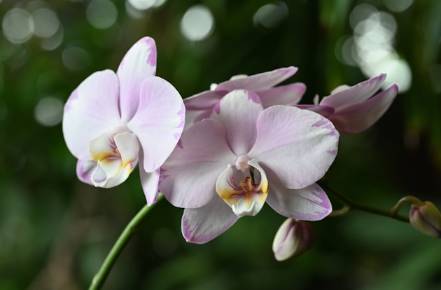
As epiphytes, Phalaenopsis orchids naturally grow attached to trees or rocks rather than in soil. Therefore, they require a growing medium that allows excellent drainage and airflow. Commonly used materials include bark, tree fern fiber, coconut husk, perlite, and sphagnum moss. These components help maintain proper aeration and prevent water accumulation that can lead to root decay.
Watering Management
Although Phalaenopsis requires consistent moisture, it is highly sensitive to excessive watering. Irrigation should be determined by the dryness of the growing medium, typically when the surface feels dry to the touch. The goal is to keep the medium slightly moist without becoming waterlogged. Watering frequency should increase during warmer months and decrease in colder seasons. It is also important to avoid leaving water on leaves or flowers to reduce the risk of disease.
Nutrient Supply
Adequate nutrition is essential, particularly during active growth and blooming stages. Specialized orchid fertilizers, either liquid or slow-release, are recommended and should be applied according to instructions. Over-fertilization should be avoided to prevent damage to the roots. Feeding every two weeks during the growing season is generally sufficient, with reduced frequency during flowering and dormancy.
Temperature and Light
Phalaenopsis thrives in warm, humid conditions, with ideal daytime temperatures between 24°C and 28°C and nighttime temperatures around 18°C to 20°C. Bright but indirect light is crucial, as direct sunlight may scorch the plant. During winter, when natural light is reduced, additional light exposure can be provided, ensuring it remains gentle and diffused.
Ventilation and Humidity
A humidity level of 60% to 80% is ideal for Phalaenopsis orchids. In dry climates or air-conditioned indoor spaces, misting can help maintain adequate moisture in the air. Proper ventilation is equally important, as it supports healthy root function and helps prevent the development of diseases.
Common Problems and Solutions
Leaf Yellowing
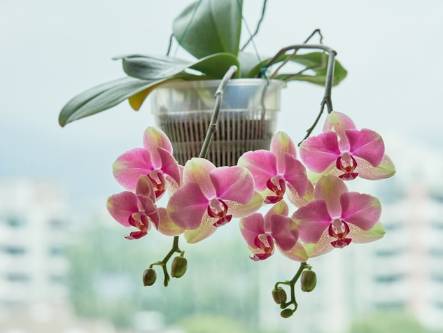
Yellowing leaves may occur due to overwatering, insufficient watering, improper lighting, or unsuitable temperatures. Adjusting these environmental factors can help restore plant health.
Bud Drop
The premature dropping of buds is often linked to sudden environmental changes, low light levels, or inconsistent watering. Maintaining stable conditions and proper care can prevent this issue.
Root Rot
Root rot typically results from poor drainage or excessive watering. Using an airy growing medium, controlling water application, and regularly inspecting roots can help prevent and manage this problem.
Cultural Value
Flower Language and Symbolism
In the language of flowers, Phalaenopsis represents purity, refinement, and beauty. Different colors convey distinct meanings: white signifies innocence, pink symbolizes love and joy, yellow represents friendship and fresh starts, and purple conveys admiration and elegance.
Gifts and Decorations
Due to their attractive appearance and long-lasting flowers, Phalaenopsis orchids are commonly chosen as gifts for occasions such as birthdays, weddings, and business celebrations. They are also widely used in interior design to bring a touch of elegance and charm to living spaces.
Cultural Significance
In Chinese tradition, orchids are associated with noble character and refined taste, with Phalaenopsis exemplifying these qualities. They frequently appear in poetry as symbols of integrity and grace. In Southeast Asia, these orchids hold historical and cultural importance, often featured in religious practices and traditional celebrations.
Nearby projects

· en
The Most Compelling Advantages of Owning a Powerful Pickup Truck
Julian Carter

· en
This Italian Motorcycle Brand Just Launched an All-New Trials Bike Lineup
Alva

· en
9 Essential Yoga Poses for Beginners to Boost Well-Being
Addison
· en
Large Brim Straw Hat Style Tips for Men & Women
Isolde Mercer
· en
Easy Indoor Plants For Your Home
Harper Quinn

· en
Holographic AI: Better UI
Liam Parker