DIY note
Everything You Need to Know About Roses
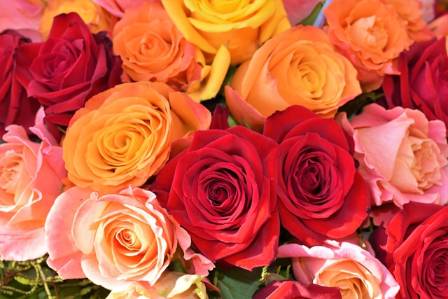
No one can say for certain what Gertrude Stein intended when she wrote, “A rose is a rose is a rose is a rose.” What remains clear is that roses have long represented beauty, harmony, and the gifts of the natural world. People admire them in every form, whether arranged in elegant bouquets, worn as floral decorations, printed on cards, or climbing freely across garden arches and trellises.
Mira Lawson
Maker
Bench tip
Read the full note below and keep tools nearby.
Shelf
Hobby build
No one can say for certain what Gertrude Stein intended when she wrote, “A rose is a rose is a rose is a rose.” What remains clear is that roses have long represented beauty, harmony, and the gifts of the natural world. People admire them in every form, whether arranged in elegant bouquets, worn as floral decorations, printed on cards, or climbing freely across garden arches and trellises.
Species Roses
Species roses are considered the original roses from which all modern varieties developed. Fossil evidence suggests they may have existed for around 35 million years. Often called “wild roses,” they usually have simple blooms with a single layer of petals.
The Apothecary’s Rose appeared in written records as early as the 14th century, although it may have existed much earlier. Its name comes from its important role in traditional medieval medicine.
The Romans especially favored the ‘Autumn Damask’ rose, which was among their most treasured varieties.
Old Garden Roses
Old garden roses developed through natural crossbreeding and early human cultivation. They are known for their wide variety of forms, charming flowers, rich colors, and wonderful fragrances.
The York and Lancaster Rose dates back to the 16th century and is traditionally connected with England’s historic War of the Roses.
In the year 1800, roses from China were introduced to Europe and crossed with European varieties. This combination produced the first true red roses and brought new flower shapes through China tea roses.
‘Harrison’s Yellow’ became a legendary rose variety, growing along many historic pioneer routes that stretched across America from east to west.
Modern Roses
Modern roses are specially developed hybrids created by professional breeders who aim to produce new characteristics and varieties. This group includes many types, such as shrub roses, miniature roses, floribundas, grandifloras, and hybrid teas.
The first recognized modern rose appeared in 1867 and was named ‘La France.’
Before World War I, ‘Madam Abel Chatenay’ was one of the most beloved roses in London.
The ‘Peace Rose’ was created as a symbol celebrating the conclusion of World War II.
English Roses
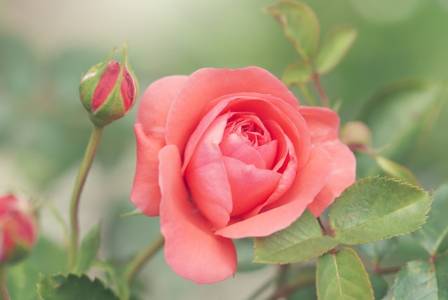
English roses combine the charm and fragrance of traditional old garden roses with the repeat flowering ability and improved qualities of modern roses. These varieties are admired for their romantic appearance, layered petals, and classic beauty.
Ways to Keep Cut Roses Fresh Longer
With proper care, roses can remain beautiful for a week or even longer, according to florist Greg Ansley.
Always trim rose stems underwater at a diagonal angle using a sharp, non-serrated blade. Cutting at an angle increases the surface area available for water absorption.
Place freshly cut stems into warm water around 94°F to help them take in moisture effectively.
Do not allow leaves or thorns to remain below the waterline because they can encourage bacterial growth.
Replace the vase water every day to keep it clean and fresh.
Trim the stems again every other day to maintain their ability to absorb water.
Tips for Creating Beautiful Rose Gardens
Successful rose beds begin with careful planning and thoughtful plant selection.
Choose a location that provides enough sunlight and allows good air circulation around the plants.
Combine different rose varieties with consideration for their colors, growth habits, and blooming patterns to create a balanced garden design.
Give roses enough room to grow so they do not become overcrowded, which helps reduce disease problems.
Adding companion plants can create a more attractive landscape while improving the overall appearance of the garden.
Growing Roses
The foundation of successful rose gardening includes several important factors.
Sunlight — Roses generally need about 6 to 8 hours of direct sunlight each day to grow well and produce abundant flowers.
Water — Provide regular watering, especially during dry periods, but avoid keeping the soil constantly soaked.
Fertilizer — Apply a balanced fertilizer twice each year to support healthy growth and flowering.
Selection — Choosing roses suited to your local climate is one of the most important steps. For example, Alba roses are known for their ability to tolerate colder winters and handle drought and partial shade better than many other varieties.
Creating New Rose Varieties
New roses can be developed by crossing two different rose varieties. The process involves several steps.
First, select one rose as the pollen parent and another as the seed parent.
Collect pollen from the chosen pollen parent and transfer it onto the stigma of the female seed parent using a small paintbrush.
If successful, the rose hip will begin to enlarge and mature after about three months.
Once the rose hip is ready, remove it from the plant, open it carefully, collect the seeds, and plant them in small peat pots.
After about a year of growth, the new rose plants may produce their first flowers.
Nearby projects

· en
Essential Italian Gastronomy: 10 Iconic Pasta Dishes
Julian Weatherby
· en
How Do Western and Asian Architectural Styles Differ?
Daniel Moore

· en
Best Ocean Boats: Types and Brands to Buy
Vivian Maxwell

· en
10 spots to marvel at Victoria Harbour
Darius Lennox

· en
Dress with Intention: The Secret to Workplace Confidence and Style
Kael Reed

· en
The Industrial Reality of Humanoid Robotics: Definitions and Practical Applications
Douglas Fenwick