← Back to bench4 min build note
DIY note
The Groundwork: Mastering Rug Sizing Beneath Your Coffee Table
In interior design, few elements anchor a room with as much quiet authority as a well-placed area rug. Yet, the specific task of selecting the right rug to complement your luxury coffee table is a nuanced art. This foundational detail does more than fill space—it unites your seating area, balancing aesthetic harmony with everyday functionality. Here is the definitive guide to ensuring your living room feels both professionally styled and genuinely welcoming.
O
Oliver Reed
Maker
Bench tip
Read the full note below and keep tools nearby.
Shelf
Hobby build
In interior design, few elements anchor a room with as much quiet authority as a well-placed area rug. Yet, the specific task of selecting the right rug to complement your luxury coffee table is a nuanced art. This foundational detail does more than fill space—it unites your seating area, balancing aesthetic harmony with everyday functionality. Here is the definitive guide to ensuring your living room feels both professionally styled and genuinely welcoming.
Why a Rug Belongs Under Your Coffee Table
Beyond mere decoration, a rug serves multiple critical functions:
-
Aesthetic Anchor: It ties disparate furniture pieces together, adding texture, warmth, and a focal point that complements your room's overall design scheme.
-
Spatial Definition: Especially in open-concept layouts, a rug carves out a distinct "conversation pit," making a large room feel intimate and cohesive.
-
Comfort & Acoustics: It provides a soft surface underfoot and dampens ambient noise, reducing echoes to create a more tranquil environment.
-
Floor Protection: Acting as a shield, it guards hardwood or tile from scratches caused by furniture movement and daily foot traffic.
-
Personal Expression: A rug is an opportunity to inject personality, color, and pattern into your decor, reflecting your unique style.
Determining the Ideal Dimensions
Achieving the perfect fit requires careful measurement and consideration:
-
Measure the Seating Area: Account for the full footprint of your seating—including the space chairs occupy when someone is sitting in them, not just their physical frame. The rug must extend beyond this zone.
-
Prioritize Visual Balance: The goal is cohesion. Ideally, all furniture legs (sofa, chairs, and coffee table) should rest entirely on the rug. Alternatively, having only the front legs on the rug can work, but never place a rug so small that only the coffee table fits on it.
-
Mind the Borders: Leave 18–24 inches of bare floor between the rug’s edge and the walls. This "frame" prevents the room from feeling cramped and highlights the rug as an intentional design choice.
-
Scale to the Room: In expansive rooms, a larger rug creates a unified feel. In smaller spaces, ensure the rug is proportional—too small, and it will look like an afterthought.
-
Consider Orientation: While aligning the rug parallel to the longest wall is traditional, don't shy away from placing a rectangular rug diagonally for dynamic visual interest.
Selecting the Right Shape
The shape of your rug should interact harmoniously with your coffee table and seating:
-
Rectangular: The classic, versatile choice. It complements rectangular or square tables and suits most traditional furniture arrangements.
-
Square: Ideal for square or round coffee tables, creating perfect symmetry. It works exceptionally well with sectional sofas or linear layouts.
-
Round: Softens the hard angles of a room. A round rug is the natural partner for a round coffee table, adding a unique, eye-catching element.
-
Oval: Blending the properties of rectangular and round shapes, an oval rug offers elegant versatility for both rectangular and oval tables.
Placement Principles
-
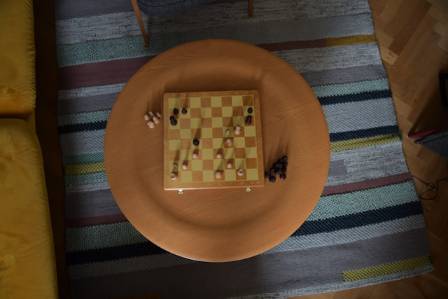
Centering: Generally, center the rug beneath the coffee table to establish a clear focal point.
-
The "All-On" Rule: For a cohesive look, ensure the rug is large enough for all legs of the surrounding seating to sit comfortably upon it.
-
Experimentation: While rules provide a framework, your personal style is paramount. Test different arrangements to see what feels balanced in your specific space.
Standard Sizing Guide
While custom sizes are always an option, these standard dimensions offer reliable starting points:
-
5' x 8': Best for compact seating areas or smaller coffee tables.
-
6' x 9': A versatile mid-size option that accommodates a medium coffee table and surrounding furniture.
-
8' x 10': The most popular choice for standard living rooms, allowing all furniture legs to rest on the rug.
-
9' x 12': Suited for spacious rooms or open-plan areas with extensive seating.
-
Round/Square (6' or 8' diameter): Specifically designed to pair with round or square coffee tables, creating a balanced footprint.
Essential Rug Selection Tips
Beyond size, the material and style of your rug are crucial:
-
Material: Wool offers softness and durability; synthetics provide stain resistance; natural fibers like jute or sisal bring organic texture.
-
Color & Pattern: Choose a rug that complements your existing palette. Use patterns to add interest or solids to create a serene backdrop.
-
Maintenance: Consider pile height and cleanability, especially in high-traffic zones or homes with children and pets.
-
Layering: For added depth, try layering a smaller, decorative rug over a larger, neutral one.
Selecting the right rug is the finishing touch that transforms a house into a home. By balancing the principles of scale, proportion, and personal style, you create a living space that is not only visually stunning but also deeply comfortable—a true oasis for relaxation and connection.
Nearby projects

· en
Capybaras: Get to know the world’s largest rodent
Lena Foster

· en
A Five-Step Methodology for Painting Animals and Beyond
Isabella Morgan Pierce

· en
Manhattan: Exploring New York City’s Most Famous Borough
Rosalie Fenwick

· en
Dress with Intention: The Secret to Workplace Confidence and Style
Kael Reed

· en
The Most Beloved Tabby: Why You Should Adopt a Tabby Cat
Christopher Davis
· en
Essential Italian Gastronomy: 10 Iconic Pasta Dishes
Julian Weatherby