DIY note
Ginkgo Tree Overview
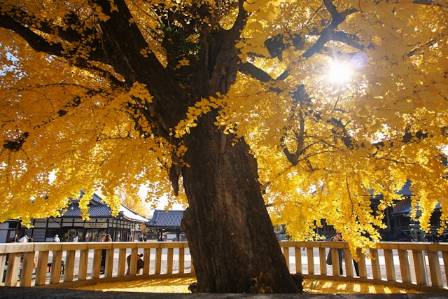
Ginkgo biloba, commonly called the ginkgo tree or maidenhair tree, is one of the most distinctive and attractive trees found in urban landscapes. Its unusual fan-shaped leaves, brilliant golden color in autumn, and broad mature branches give it a unique appearance that separates it from many other commonly planted trees.
Nora Wilder
Maker
Bench tip
Read the full note below and keep tools nearby.
Shelf
Hobby build
Ginkgo biloba, commonly called the ginkgo tree or maidenhair tree, is one of the most distinctive and attractive trees found in urban landscapes. Its unusual fan-shaped leaves, brilliant golden color in autumn, and broad mature branches give it a unique appearance that separates it from many other commonly planted trees.
Although this slow- to moderately growing species originally comes from China, it adapts remarkably well to Midwestern climates. Because of its ability to tolerate local conditions, ginkgo has become an increasingly familiar tree in places such as Minnesota.
Growth Characteristics and Landscape Uses
Ginkgo trees typically reach heights of 50 to 80 feet and are highly adaptable to challenging growing environments. They are naturally resistant to many pests and diseases, have a long lifespan, and can tolerate a wide range of urban conditions.
These qualities make ginkgo a popular choice for planting along streets, boulevards, and as shade trees in residential and public landscapes. Their unusual appearance also makes them valuable ornamental trees.
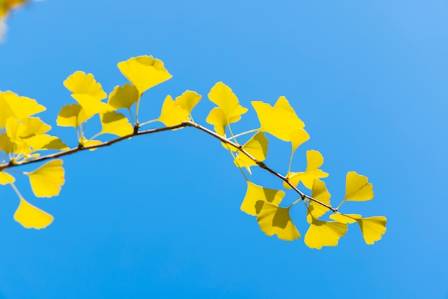
One of the most interesting features of ginkgo trees is their branch spur growth. The bright green, fan-shaped leaves develop from these short branches, creating a distinctive structure. Even during winter, when the foliage has fallen, the tree remains visually appealing because of its textured gray and brown bark and unique branching pattern.
Ginkgo Seeds and Tree Selection
Female ginkgo trees produce seeds covered with a soft, fleshy outer layer. When these coverings mature in autumn, they release a strong unpleasant odor that is often compared to the smell of animal waste.
Because of this smell, nurseries and commercial growers usually prefer to sell male ginkgo selections, which do not produce these seed coverings.
However, identifying the sex of a ginkgo tree is not always straightforward. These trees may require many years before reaching reproductive maturity. In some cases, a tree believed to be male may eventually produce seeds because it was incorrectly identified and was actually a female tree.
A Living Fossil
Ginkgo biloba is often described as a “living fossil” because fossil records show that ginkgo leaves existed approximately 270 million years ago.
Modern ginkgo leaves have remained remarkably similar to those of their ancient relatives, showing very little change over millions of years. This extraordinary survival through geological history makes the ginkgo tree one of the most fascinating plants on Earth.
Nearby projects

· en
Greenland: The world's largest island
Maxwell Crawford
· en
Chimpanzees: Redefining What It Means to Be Human
Aurora Sinclair
· en
Essential Facts About the Diverse Sparrow Family
Kayla Richardson

· en
Central Thai-Style Green Papaya Salad
Isabella Hayes
· en
The Best Rangefinder Binoculars
Connor Bailey
· en
Where to Find the Most Breathtaking Snowy Mountain Landscapes
Darien Wilde