DIY note
The Comprehensive Manual for Selecting Women’s Overalls
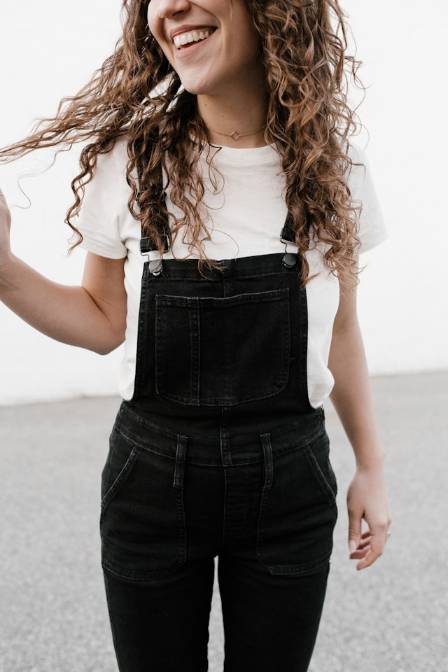
Originally designed as protective workwear for laborers and farmers, overalls—also known as dungarees or bib-and-brace trousers—have evolved into a versatile fashion powerhouse. Despite being a single continuous garment, they are often referred to as a "pair," a linguistic carryover from "a pair of pants." While denim remains the most iconic material due to its historical durability, modern iterations utilize diverse fabrics such as corduroy, linen, cotton, and even leather.
Noah Harrison Blake
Maker
Bench tip
Read the full note below and keep tools nearby.
Shelf
Hobby build
Originally designed as protective workwear for laborers and farmers, overalls—also known as dungarees or bib-and-brace trousers—have evolved into a versatile fashion powerhouse. Despite being a single continuous garment, they are often referred to as a "pair," a linguistic carryover from "a pair of pants." While denim remains the most iconic material due to its historical durability, modern iterations utilize diverse fabrics such as corduroy, linen, cotton, and even leather.
The enduring appeal of overalls lies in their effortless styling. They function similarly to a dress in their simplicity but provide the utility of trousers. As a hybrid between a form-fitting bib and relaxed-leg pants, they offer a unique silhouette that has maintained its relevance for over a century.
A Historical Overview of the Bib and Brace
Approximately 150 years ago, "overalls" was a generic term covering various staples, including outerwear and undergarments. As the industry matured, the "bib" emerged—a pair of trousers featuring integrated suspenders that covered the torso. Between 1885 and 1910, the "continuous bib" (where the torso and legs were one piece) was the standard, though by 1916, the separate bib became the dominant style for adults.
The history of the garment is defined by the rivalry between Levi Strauss & Co. and Lee Jeans. While Levi's patented copper-riveted "waist overalls" (which we now know as 501 jeans) in 1873, it was Lee Jeans that officially patented the modern bib overall in 1921. By the 1960s, the terminology shifted permanently: "jeans" became the word for denim trousers, while "overalls" specifically described the bib-and-brace design.
Throughout the late 19th and early 20th centuries, overalls were strictly masculine workwear made of heavy canvas. This changed during World War I when women entered the industrial workforce. Impractical dresses were replaced by contoured patterns featuring cinched waists and sweetheart necklines. This shift transformed a utilitarian tool into a feminine silhouette, paving the way for the fashion trends of the hippie era's flared styles and the 1990s' hip-hop influence.
Identifying the Best Overalls for Your Body Type
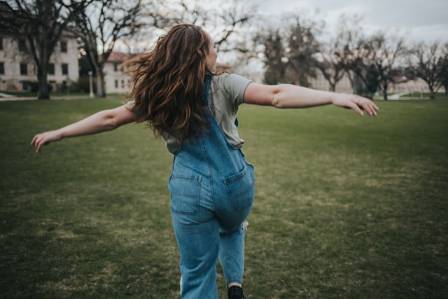
Finding the right fit often depends on your height and silhouette. Because overalls are a "one-piece" garment, proportions are critical.
-
For Petite Women: Traditional styles can often overwhelm a smaller frame. To avoid being "swallowed" by fabric, opt for "skirteralls" (an overall-skirt hybrid) or styles with open sides and long torso lines. These designs prevent the waist from looking too bulky and allow for layering with sweaters or crop tops.
-
For Curvy Silhouettes: One-piece garments are excellent for contouring. Look for vintage-inspired denim with a cinched waist to highlight your shape. Skinny-cut overalls with a high-waisted fit are also highly flattering, as they provide structure while smoothing the hips.
-
For Shorter Stature: Finding the correct leg length is the primary challenge. "Shorteralls" (overall shorts) eliminate the need for hemming. Alternatively, "boyfriend" styles offer a relaxed leg but maintain a women-specific fit in the hips and waist, providing comfort without sacrificing shape.
-
For Tall Women: To avoid the "unintentional ankle-grazer" look, prioritize wide-legged or straight-leg styles paired with platform shoes. Jersey fabrics with adjustable tie-straps are particularly beneficial, as they allow you to customize the torso length to your specific height.
Styling Overalls for Every Occasion
The versatility of dungarees allows them to transition from a casual morning to a sophisticated evening with a few simple adjustments.
The Casual Approach
For a relaxed, everyday look, cotton or linen "baggy jumpsuits" are ideal. These can be worn over a simple white tee or a striped turtleneck. Patterned or floral designs add visual interest and can be styled with basic sneakers. If you are using corduroy, try pairing it with a ruffled neck top to balance the heavy texture of the fabric.
High-Fashion and Evening Wear
To elevate overalls to a "runway" level, focus on premium materials like black leather or pinstriped denim. A form-fitting black leather overall paired with a cold-shoulder top and heels creates a bold, modern aesthetic. Pinstripes are particularly effective for formal settings, as they elongate the body and create a sharp, tailored appearance.
Utilitarian and Work Environments
If functionality is the goal, choose heavy-duty 10 oz. cotton duck fabrics with reinforced knees and multiple tool pockets. Brands like Carhartt and Dickies offer insulated versions for cold climates. When buying for work, consider sizing up to allow for thick thermal layers underneath.
Expert Styling Tips and Techniques
-
Denim on Denim: To pull off the "Canadian Tuxedo," ensure there is a clear contrast between the washes. Pair a light-wash denim shirt under dark-wash overalls for a structured, intentional look.
-
The "One-Strap" Look: A nostalgic nod to the '90s, wearing overalls with one strap unfastened remains a classic stylistic choice for a rebellious, laid-back vibe.
-
Layering for Maturity: For a more "adult" finish, wear a crisp, pressed white blouse underneath linen overalls. This clash of textures—utilitarian bib meets formal silk or cotton—is a hallmark of modern sophisticated style.
-
The "No-Shirt" Illusion: In warmer weather or high-fashion contexts, wearing a small tube top or sports bra under overalls creates a sleek, minimal silhouette that mimics a dress.
Frequently Asked Questions
What are the most reliable brands for women?
For durability and work-site performance, Levi’s, Dickies, and Carhartt are industry leaders. For fashion-forward or casual styles, brands like American Eagle and Soojun offer a wider variety of cuts and colors.
How do I make overalls look more flattering?
If the garment feels too boxy, use a belt to define the waist. Alternatively, choosing cotton over denim can provide a softer drape that cinches more naturally. Layering with a structured jacket or a furry coat can also add dimension to the silhouette.
Are overalls still in style?
Yes. While fashion cycles move every ten years, the current revival of '90s aesthetics has kept overalls at the forefront of casual wear. We may soon see a transition toward 2000s-inspired low-rise designs, but the classic bib remains a perennial staple.
Whether you prefer the rugged durability of workwear or the refined lines of a leather dresserall, overalls remain a liberating and practical choice for any wardrobe.

Nearby projects

· en
Ten Fascinating Truths About Bottlenose Dolphins
Iris Juliette Lancaster
· en
Trucks vs Quads: Which is Better for Off-Roading?
Liam
· en
10 Exciting Things You Can Do on a Motorcycle
Grace Whitmore

· en
Awe-Inspiring Ocean Vistas: Exploring Earth's Breathtaking Coastal Wonders
Lily Sophia

· en
The Golden Gate Bridge: The "Upside-Down Rat Trap" That Became the World's Most Beloved Bridge
Lauren Bennett
· en
How to Make a Pixel Art Cat
Ryan Cooper