DIY note
The Golden Gate Bridge: The "Upside-Down Rat Trap" That Became the World's Most Beloved Bridge
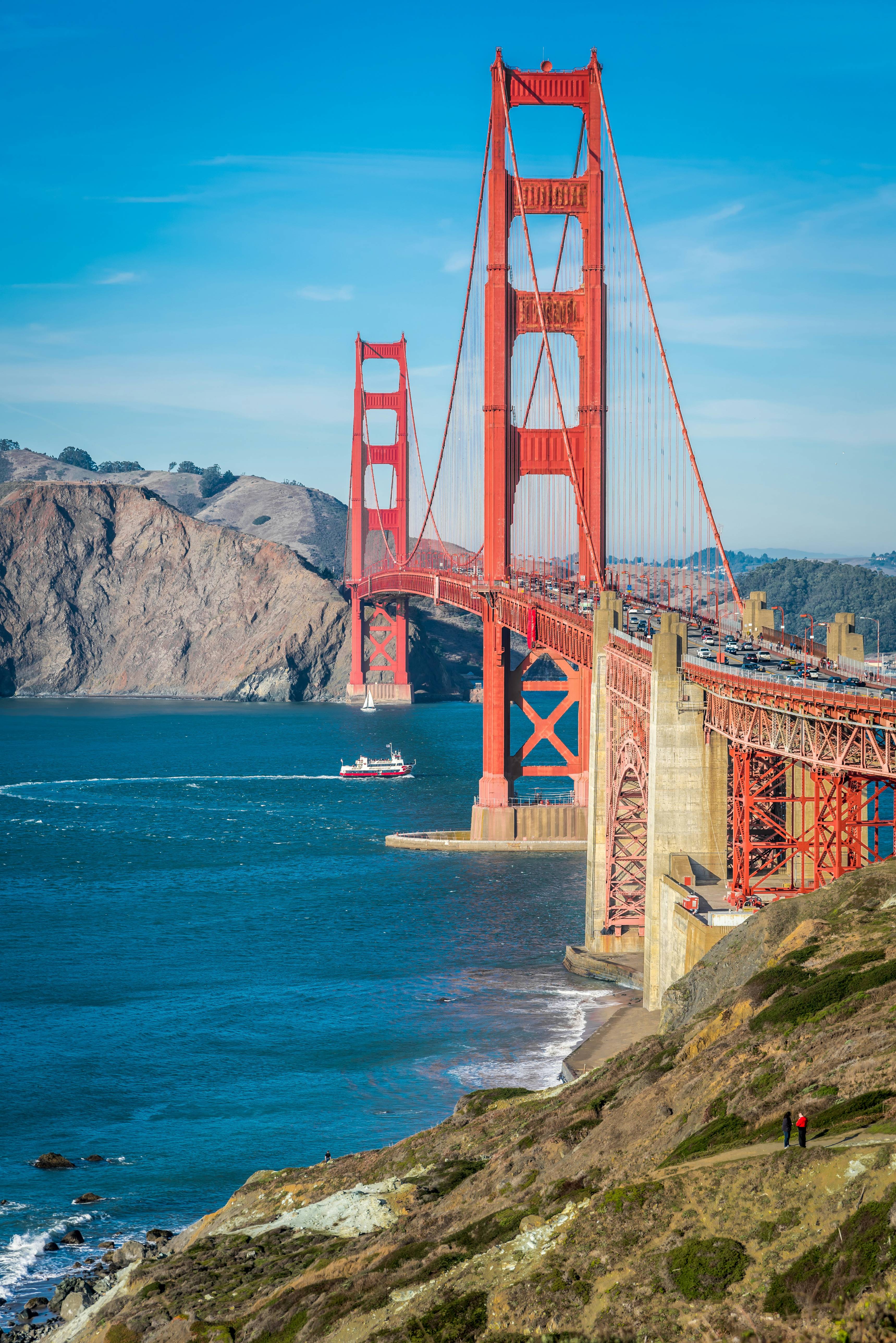
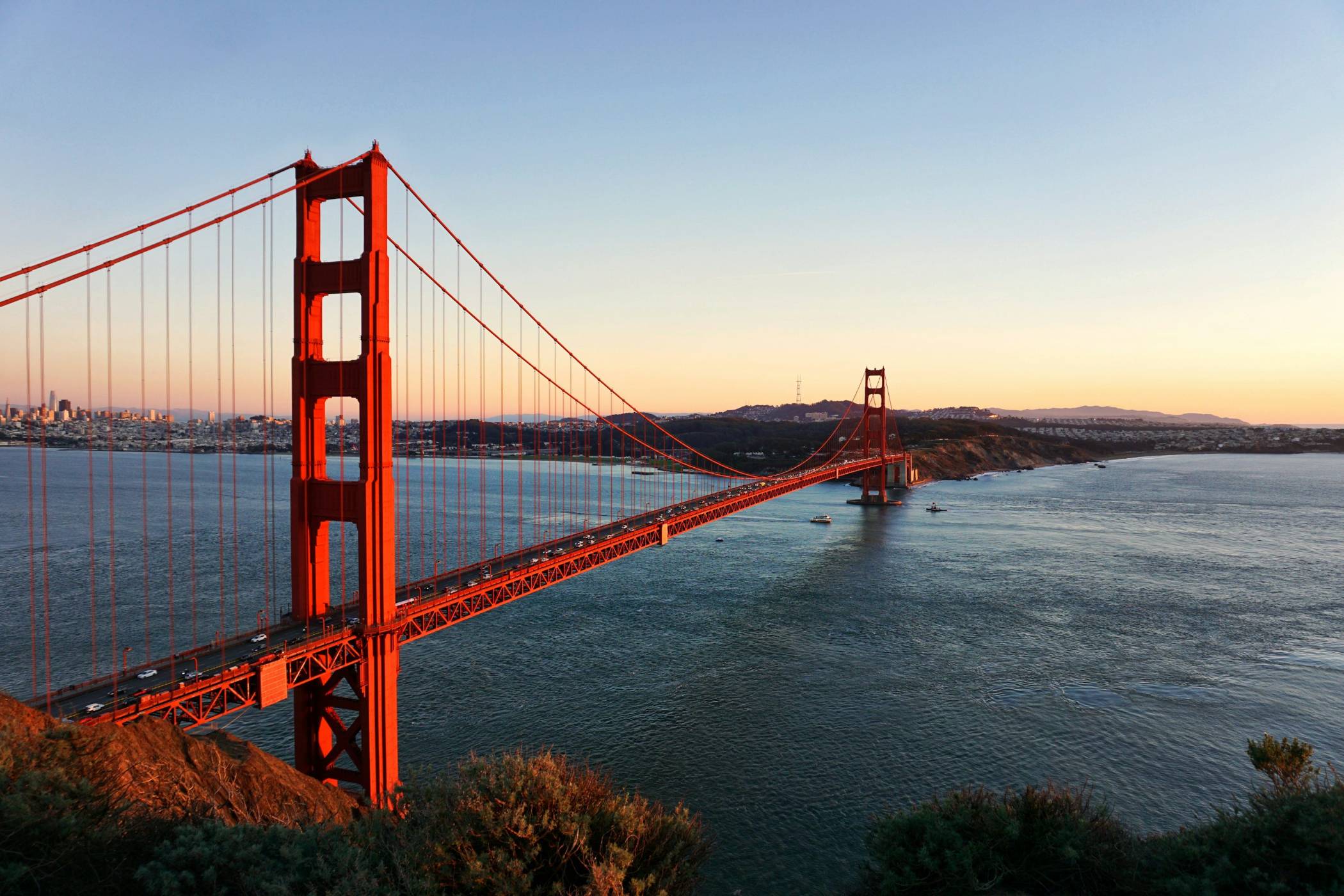
The Golden Gate Bridge, once derided as an "upside-down rat trap" and nearly painted in black-and-yellow stripes by the Navy, overcame lawsuits, the Great Depression, and engineering doubts to become the world's most beloved bridge. The article also highlights visiting tips, key contributors like Charles Ellis and Irving Morrow, and the bridge's iconic Art Deco design and vermilion colour.
Lauren Bennett
Maker
Bench tip
Read the full note below and keep tools nearby.
Shelf
Hobby build
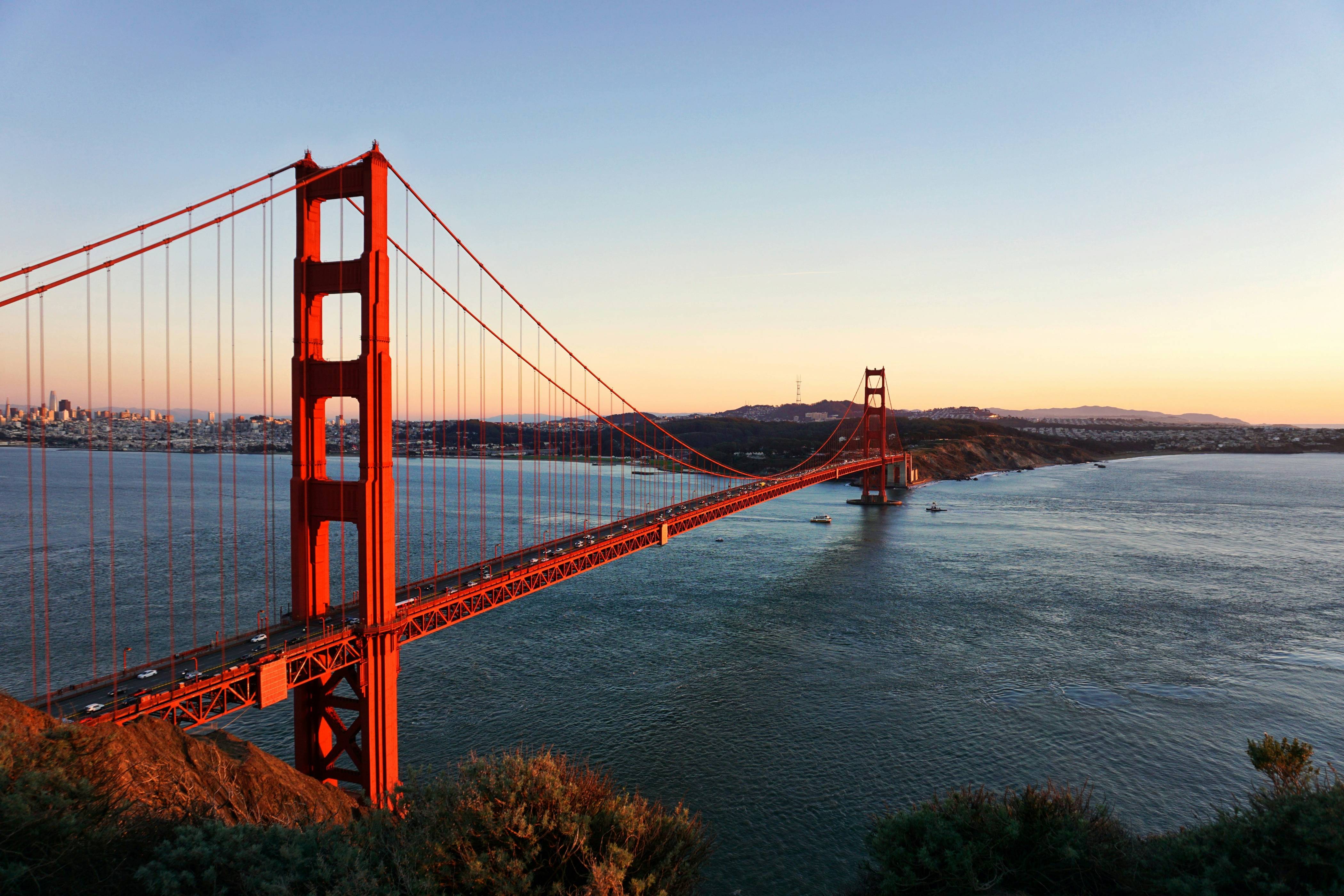
It could so easily have gone so wrong.
Early opponents of the Golden Gate Bridge derided Chief Engineer Joseph Strauss's initial design as an "upside-down rat trap" that would desecrate the natural beauty of San Francisco Bay. In 1933, with construction poised to begin, some experts warned that no bridge could withstand the forbidding depths and currents of the narrow strait. Foes filed some 2,300 lawsuits. The Great Depression spooked funders.
And even after the bonds had been secured, new designers hired, and a graceful Art Deco span had started to take shape, the U.S. Navy urged painting the 746-foot towers like giant bumblebees—in black and yellow stripes—for safety reasons.
"The Navy thought the stripes would be more visible to ships in a heavy fog, and we get a lot of fog," says Dennis "Rocky" Dellarocca, now-retired paint superintendent for the bridge. The Army Air Corps preferred red and white stripes.
In the end, consulting architect Irving Morrow held sway, arguing that the orange-red primer already covering the steel would make a lovely—and highly visible—final coat. On May 27, 1937, the vermilion suspension span we know today was officially christened.
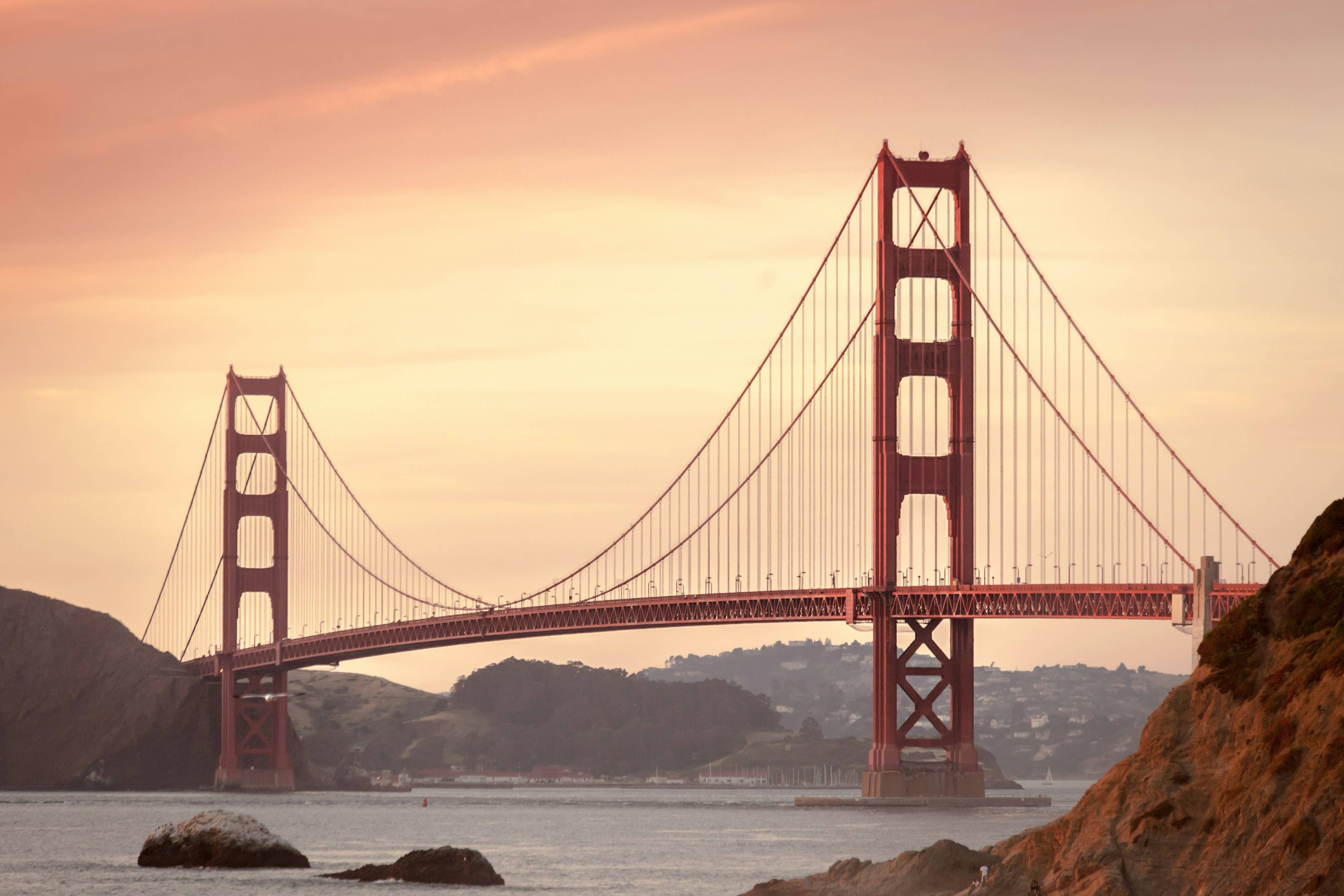
A Bridge Built by Many Hands
To celebrate the power of this enduring landmark—and learn how to appreciate it from all the right angles—check out the best places to visit.
On the south side, visitors from around the world savour stunning views of the bridge set against Marin County's rolling hills. Nearby at the visitor pavilion and Round House, you can explore interpretive exhibits and photographs, and browse an expanded gift shop with bridge-themed books, puzzles, T-shirts, tote bags, and men's ties.
The bronze statue in the centre of the plaza depicts Joseph Strauss, the bridge's founding engineer. Though Strauss was a relentless and canny campaigner, another engineer—Chicagoan Charles Ellis—is now believed to have contributed greatly to the final suspension design. Still others, including John Eberson, a theatre architect and designer of sumptuous movie palaces, gave the bridge its Art Deco styling.
"Strauss's strength was never as a designer," says Mary Currie, now-retired public affairs director for the bridge. "But he was persuasive and persistent, able to lure the brightest engineers and designers in the business to the project, and get done what many said was impossible."
A slice of a main cable is on display near the Strauss statue. The cross section, about a yard in diameter, is made up of 27,572 perfectly aligned individual steel wires, each the thickness of a pencil.