← Back to bench2 min build note
DIY note
Bald Eagle
Immature birds have mostly dark plumage, with mottled white patches, especially on wings and tail. They take about 4–5 years to acquire full adult plumage.
E
Ethan Jackson
Maker
Bench tip
Read the full note below and keep tools nearby.
Shelf
Hobby build
Identification & Appearance
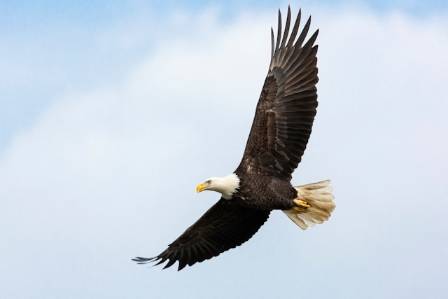
Size: 30–31 inches in body length (about 76–79 cm). Wingspan: roughly 6 to 7½ feet (~1.8 to 2.3 m).
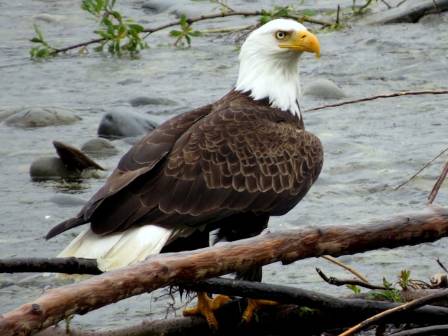
Adults are unmistakable: white head and tail, dark brown body and wings; yellow bill and eyes.
Immature birds have mostly dark plumage, with mottled white patches, especially on wings and tail. They take about 4–5 years to acquire full adult plumage.
Habitat & Range
Found throughout much of North America. Some populations are year-round residents (especially in southern or coastal regions), others migrate from northern inland areas in winter.
Preferred habitats include lakes, rivers, large reservoirs, coasts, estuaries — basically places with abundant fish and tall perch or nesting trees.
Behavior & Diet
Opportunistic feeders: primarily fish, but also eat birds, mammals, and carrion. When fish are abundant, fish dominate their diet; when not, they’ll switch to other prey or scavenging.
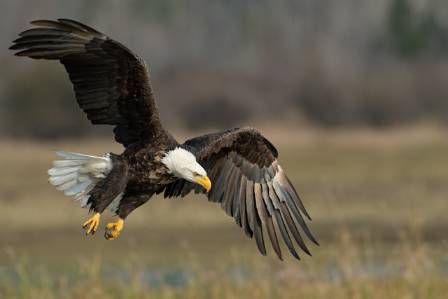
Hunting methods include: watching from a high perch and swooping, flying low over water, even wading in shallow water. Also known to steal food from other birds like Ospreys.
Reproduction & Lifespan
First breeding usually at age 4-5 years. Bald Eagles are believed to mate for life.
Nest: built in tall trees or on cliffs, sometimes reused year after year. Both adults help build/maintain nest and care for young.
Eggs: typically 2 per clutch (sometimes 1-3). Incubation ~34-36 days by both parents.
Young eagle behavior: Parents feed young by tearing prey into smaller pieces at first; fledging occurs around 10-12 weeks. Juveniles are entirely dependent early on, with both parents caring.
Conservation & Trends
Status: Least Concern per IUCN. Bald Eagles experienced severe declines in the mid-20th century (largely due to DDT, habitat loss, hunting) but have made a strong recovery since protections were enacted.
Population: now widespread again; many states/counties in the U.S. see healthy breeding populations.
Threats: things like habitat disruption, environmental pollution, lead poisoning, human disturbance, but conservation measures (legal protection, habitat protection, removal of harmful pesticides) have helped.
Nearby projects

· en
10 Fascinating Motorcycle Facts You Might Not Know
Samuel Brooks

· en
These Beaches Boast the World’s Bluest Waters
Natalie Evans
· en
10 Adorable Fluffy Creatures to Brighten Your Day
Willow

· en
The Statement Seat: Defining 2026 Luxury Interiors Through Sculptural Seating
Maisie Osborne

· en
How to Style a Leather Biker Jacket: 10 Versatile Outfit Ideas for Every Occasion
Isabella Lee

· en
Easy Ways to Enjoy This Traditional Matcha
Chloe Dawn