DIY note
Interesting Facts about the Forbidden City
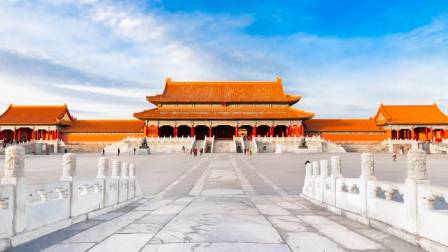
The Forbidden City once served as the residence of China’s emperors, their relatives, servants, and government officials. From the Ming Dynasty through the final years of the Qing Dynasty, it remained the imperial home and an important center of government. Today, it stands as one of the most remarkable symbols of China’s ancient imperial system. Here are some fascinating facts about this extraordinary historic complex.
Vivienne Frost
Maker
Bench tip
Read the full note below and keep tools nearby.
Shelf
Hobby build
The Forbidden City once served as the residence of China’s emperors, their relatives, servants, and government officials. From the Ming Dynasty through the final years of the Qing Dynasty, it remained the imperial home and an important center of government. Today, it stands as one of the most remarkable symbols of China’s ancient imperial system. Here are some fascinating facts about this extraordinary historic complex.
1. Construction of the Forbidden City
Construction of the Forbidden City began in 1406 and was completed in 1420. The enormous complex contains 980 buildings spread across approximately 720,000 square meters, or about 7,800,000 square feet.
2. UNESCO World Heritage Site
In 1987, UNESCO officially added the Forbidden City to its list of World Heritage Sites. It is also recognized as the largest surviving collection of ancient wooden structures in the world.
3. Home of the Palace Museum
The Forbidden City houses the Palace Museum, one of the world's largest museums. Its extensive collection contains imperial treasures and historical objects dating primarily from the Ming and Qing Dynasties.
4. Precious Construction Materials
A wide range of valuable and carefully selected materials went into the construction of the palace complex. These included marble obtained from nearby quarries, logs of the precious Phoebe zhennan tree, and distinctive golden bricks.
5. Residence of 24 Emperors
Over the course of its imperial history, the Forbidden City was home to 24 Chinese emperors. Fourteen of them ruled during the Ming Dynasty, while another ten belonged to the Qing Dynasty.
6. The End of Imperial Rule
The Forbidden City stopped serving as China's political center in 1912. This followed the abdication of Puyi, the final emperor of China, which brought the imperial system to an end and paved the way for the establishment of the Republic of China.
7. Thousands of Rooms and Historic Treasures
The Forbidden City is much more than a collection of ancient buildings. Its grounds contain historic sites, spacious plazas, traditional gardens, and vast collections of porcelain, jade, and other artifacts. The complex is traditionally said to contain 9,999 rooms.
8. The Imperial Color Yellow
Approximately 90 percent of the roofs throughout the Forbidden City are covered with glazed yellow tiles. Yellow was traditionally regarded as the official color associated with China's emperors, making it a prominent feature of the imperial architecture.
9. Statues on the Roofs
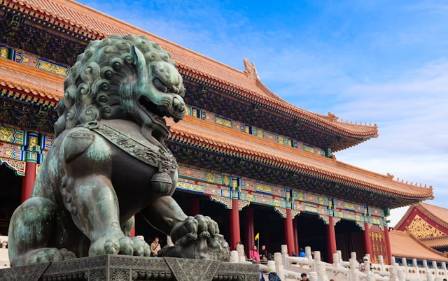
Statues decorate the buildings throughout the Forbidden City, with their number reflecting the importance of each structure. As a building's status increases, so does the number of decorative figures placed on it. The most important building can have as many as 10 statues.
10. A Vast Collection of National Heritage
The Palace Museum within the Forbidden City houses approximately one million artifacts that are regarded as items of Chinese National Heritage. Because of their historical and cultural importance, these treasures are protected by the Chinese government.
Visiting the Forbidden City
The Forbidden City is one of the most important attractions in Beijing and draws visitors from around the world. It is also among the most frequently visited ancient historical sites anywhere, offering travelers an extraordinary opportunity to experience centuries of Chinese history.
Few museums or historic complexes around the globe can match the depth of history preserved within the Forbidden City. Exploring its enormous courtyards, buildings, gardens, and collections provides a fascinating glimpse into China's imperial past.
Nearby projects

· en
Understanding Travel Anxiety: Navigating the Uncharted Territories of Anxiety
Thaddeus Orion

· en
A guide to Tigers
Marcus Dean

· en
Historical and Industry Milestones of Audio Headphones
Jonathan Michael Stratford

· en
Gray Wolf: The Largest Wild Member of the Dog Family
Jessica Coleman

· en
How to Dress Like an Outdoorsman
Victoria Elowen

· en
How Fast Can Geese Fly: Speed and Endurance Facts
Lily