DIY note
Light Food: A Simple Guide to Healthy Eating
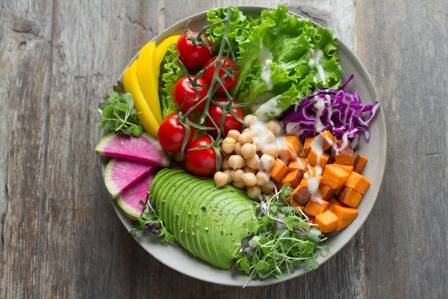
In a world where food fads constantly change, the idea of “light food” has steadily become popular among people who care about their health and want to live a balanced lifestyle. But what does “light food” actually refer to? This guide explores its meaning, main features, advantages, and tasty examples—helping you understand how to nourish your body without feeling heavy.
Vincent Lowe
Maker
Bench tip
Read the full note below and keep tools nearby.
Shelf
Hobby build
In a world where food fads constantly change, the idea of “light food” has steadily become popular among people who care about their health and want to live a balanced lifestyle. But what does “light food” actually refer to? This guide explores its meaning, main features, advantages, and tasty examples—helping you understand how to nourish your body without feeling heavy.
What Is Light Food?
Light food generally describes meals that contain fewer calories, fats, and carbohydrates than standard dishes. However, it’s not just about lowering calories—it also focuses on nutrient quality. These foods deliver essential vitamins, minerals, and beneficial compounds while keeping energy intake relatively low.
This type of eating is especially attractive for individuals who want to control their weight, sustain energy, or simply improve their diet. In short, light food includes options that are easy to digest and support overall wellness without leaving you feeling sluggish or overly full.
Main Features of Light Food
Knowing what defines light food can help you make smarter eating choices. Here are its key traits:
Lower in Calories
Light meals usually contain fewer calories. Instead of rich ingredients like cream-based sauces or fried items, they rely on lean proteins, fruits, and vegetables.
Rich in Nutrients
These foods are packed with vitamins and minerals without excess calories. High-fiber ingredients, such as fruits and vegetables, also help digestion and increase satiety.
Easy to Digest
Light meals are typically gentle on the digestive system. This makes them suitable for people with sensitive stomachs or those recovering from illness.
Minimal Processing
Most light food options emphasize fresh, whole ingredients and limit processed elements. This aligns well with diets like vegan, vegetarian, and gluten-free lifestyles.
Benefits of Eating Light Food
Adopting a light eating approach offers more than just calorie control. Here are some important advantages:
Weight Control
Low-calorie, nutrient-rich meals help you stay full while managing overall calorie intake, making weight maintenance easier.
Higher Energy Levels
Because these foods are easier to digest, they provide steady energy rather than causing fatigue after eating heavy meals.
Improved Digestion
Many light foods are high in fiber, which supports gut health and helps prevent digestive issues like constipation.
Better Mood and Focus
Foods rich in antioxidants and healthy fats—especially omega-3s—can support brain health, improving mood and mental clarity.

Tasty Examples of Light Food
Here are some delicious options you can include in your diet:
Leafy Greens and Vegetables
Fresh salads are an excellent base. Combine greens such as:
Spinach
Arugula
Kale
Add vegetables like bell peppers, carrots, and cucumbers, and dress lightly with olive oil and vinegar.
Lean Proteins
Options like chicken breast, turkey, fish, lentils, and chickpeas are ideal. Choose cooking methods such as grilling, baking, or steaming instead of frying.
Fruits
Fruits are naturally light, containing water, fiber, and natural sugars. Great choices include:
Watermelon
Berries
They can be enjoyed alone or added to salads.
The Future of Light Eating
As awareness of nutrition grows, light food continues to become a key part of modern diets. People are increasingly choosing wholesome, less processed foods that support both personal health and environmental sustainability. Plant-based eating and responsible sourcing are becoming more important than ever.
Conclusion
Light food represents a mindful way of eating that prioritizes health, satisfaction, and balance. By understanding its qualities and benefits—and including a variety of tasty options in your meals—you can enjoy a lighter way of eating without sacrificing flavor. Eating light is not about restriction; it’s about making smart choices that keep you energized and feeling your best.
Whether you’re cooking at home or ordering at a restaurant, let the principles of light food guide your decisions toward better physical health and mental clarity.

Nearby projects

· en
Eight Secrets of the Taj Mahal
Maelin Frost

· en
Traditional Organic Rice Pudding: A Comforting and Sustainable Classic
Elliot Chandler

· en
How Fast Can Geese Fly: Speed and Endurance Facts
Lily

· en
The Secret Angle: Why That "Deadrise" Number Matters More Than Cupholders
Lucas Brown

· en
Top 10 Things to Do at Hopetoun House
Ellen

· en
Your Guide to Buying Water Bottles
Clara Reeves