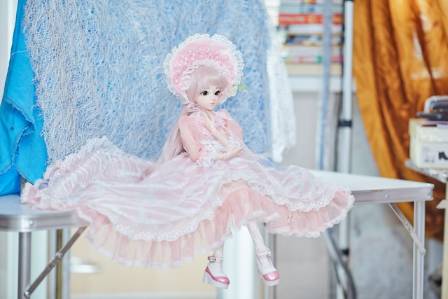
DIY note
Best Cute Baby Dolls
There is something especially sweet about watching a young child care for a baby doll. Many children seem naturally interested in dolls from the moment they receive their first one. Perhaps part of the appeal comes from seeing the doll as a smaller companion they can look after, allowing them to imitate the caring behaviors they observe from adults.
Audrey Martin
Maker
Bench tip
Read the full note below and keep tools nearby.
Shelf
Hobby build
There is something especially sweet about watching a young child care for a baby doll. Many children seem naturally interested in dolls from the moment they receive their first one. Perhaps part of the appeal comes from seeing the doll as a smaller companion they can look after, allowing them to imitate the caring behaviors they observe from adults.
Playing with dolls can offer valuable benefits for both girls and boys. One important benefit is that dolls give children an opportunity to practice nurturing and caregiving, skills that can become useful later in life if they become parents. Nurturing is not limited to raising children, either. Learning how to create a supportive emotional environment can help children develop healthier relationships with relatives, friends, neighbors, classmates, and future coworkers.
Dolls can also support a child's development in practical ways. While dressing a doll, children can practice fastening snaps, zippers, and buttons, helping improve hand-eye coordination while building strength and dexterity in their fingers. Choosing clothing also introduces children to colors and combinations that work well together. Above all, pretend play encourages creativity and imagination as children act out different roles and imagine themselves caring for a baby.
Dolls for Early Development
Many parents are eager to give their baby a doll during the early years, even before the child is physically capable of holding and playing with it independently. For very young children, the best dolls are generally lightweight and designed to engage several senses.
A suitable first doll should be easy for small hands to lift and grasp as the child develops. If the doll is too heavy, a baby may simply lose interest in it or have difficulty interacting with it.
A soft doll with features similar to a stuffed animal can be an excellent starting point. Choosing one made with several types of fabric can provide different tactile experiences. A particular texture may even become comforting to the child when she wants something familiar to touch.
Handling the doll, exploring its different materials, and moving it around can help develop tactile awareness and fine motor abilities.
Choosing a Doll for a Baby
For infants, look for a doll that is lightweight, soft, easy to grasp, and interesting to touch. Different fabrics, textures, and gentle sensory details can make the doll more engaging while also giving a young child opportunities to explore through touch.
As the child grows stronger and develops better control of her hands, she can begin carrying, holding, dressing, and interacting with the doll in increasingly complex ways.
Dolls Can Reflect a Child's Background
Today's doll manufacturers offer considerably more variety than those of previous generations. Many companies recognize the importance of representing children from different cultural and ethnic backgrounds, allowing parents to choose dolls with a wider range of skin tones, hair colors, and eye colors.
In the past, finding a doll that resembled a child from an Asian, African, Hispanic, or other cultural background could be difficult. The limited choices sometimes meant that children rarely saw toys that looked like themselves or their families.
Representation can have an important influence on how children view themselves and the people around them. A doll that resembles a child's family can help reinforce a sense of familiarity and pride in their own background and culture.
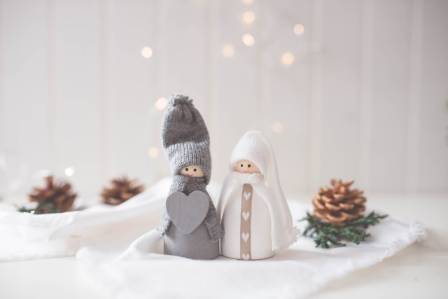
Choosing a Doll With Different Skin Tones
When selecting a baby doll, parents can consider choosing one whose appearance resembles the child or members of the family. Skin tone, hair color, and eye color are all details that can make a doll feel more personally meaningful.
Having access to dolls with a broad range of appearances also gives children opportunities to recognize and appreciate differences among people while seeing their own appearance represented positively in their toys.
Hispanic Baby Dolls
Hispanic baby dolls are another option for families looking for a doll that reflects their child's cultural background. Smaller, soft-bodied dolls can be especially suitable for young children because they are light enough for little hands to carry and hold.
A compact baby doll can become a useful companion during imaginative play, allowing children to practice caregiving, dressing, feeding, and other everyday activities through pretend scenarios.
Baby Dolls Can Help Children Through New Experiences
As children grow, they are gradually encouraged to become more independent and take on tasks that they may initially find challenging. Toilet training is one example of a major developmental milestone that can be difficult for some children.
A baby doll can provide a playful way to introduce the process. Children can pretend that their doll needs to use the potty and observe the doll successfully completing the activity. Seeing their pretend baby handle the experience can make the process seem more familiar and less intimidating.
Through imitation and pretend play, a child may become more comfortable with the idea of trying the same new skill herself.
Dolls Can Be Useful for Potty Training
A doll designed for feeding and potty-training play can be particularly helpful during this stage. Some dolls can be given water and then used in pretend potty routines, allowing children to act out the entire process.
This type of play can turn an unfamiliar developmental task into something entertaining and understandable, giving the child a chance to practice the sequence before attempting it herself.
Older Girls and Women May Collect Dolls
Baby dolls aren't exclusively toys for young children. Some older girls and adult women enjoy collecting dolls as a hobby, with certain doll lines created specifically for collectors.
These collectible dolls are often designed to look remarkably similar to real babies and are sometimes referred to as realistic baby dolls. Many are made in approximately the size of a newborn or older infant and may even be weighted to resemble the weight of a real baby at a particular stage of development.
Because of their detailed appearance, realistic construction, and specialized craftsmanship, collectible baby dolls are often considerably more expensive than ordinary play dolls. They are generally purchased for display, collecting, or personal enjoyment rather than everyday children's play.
Nearby projects
· en
Top 5 Hall of Fame Pool Players: Legends Who Redefined the Game
Lily

· en
10 Intriguing Insights Into the American Robin
Lion

· en
All About the Crested Caracara: Facts, Images, and a Full Species Guide
Lucas Gray

· en
Anxiety Grips a Remote Fishing Community Following a Sudden Industry Shutdown as Residents Face an Uncertain Future
Julian Foster

· en
Cool Retreats by the Shore: Inspiring Beach Huts for Your Seaside Getaway
Lily Spencer

· en
Crab-eating Macaque: The Adaptable Monkey of Southeast Asia
Stella