← Back to bench2 min build note
DIY note
Dromedary Camel: The Desert Survivor With One Hump
One of the most famous questions about camels is whether they have one hump or two.
C
Charlotte Morgan
Maker
Bench tip
Read the full note below and keep tools nearby.
Shelf
Hobby build
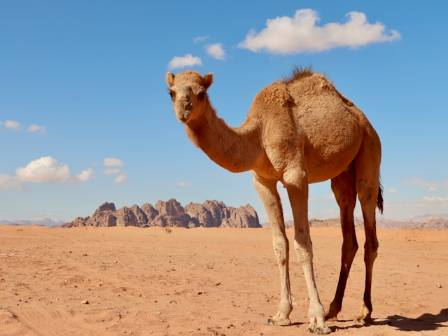
One of the most famous questions about camels is whether they have one hump or two. The Arabian camel, also called the dromedary, has a single hump, but this unique feature gives it an extraordinary advantage in harsh desert environments.
A dromedary’s hump stores up to 80 pounds (36 kilograms) of fat, which can be converted into energy and water when food and moisture are unavailable. This special adaptation allows camels to travel as far as 100 desert miles without needing to drink.
Unlike many animals, camels lose very little water through sweating, even when desert temperatures rise to around 120°F (49°C). Because they conserve moisture efficiently, they can survive long periods without drinking. During cooler seasons, even dry desert plants may contain enough moisture for camels to survive without direct access to water for several weeks.
However, when a camel finally finds water, it can quickly replace lost fluids. A severely thirsty dromedary is capable of drinking approximately 30 gallons (113 liters) of water in only 13 minutes.
Adaptations for Desert Life
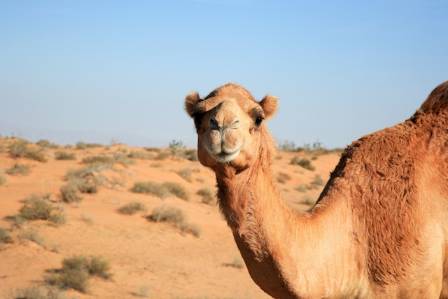
Dromedaries have developed many physical features that help them survive in extreme desert landscapes.
Their nostrils can close to prevent blowing sand from entering their respiratory system. They also have thick eyebrows and two layers of long eyelashes that shield their eyes from harsh sunlight and flying sand.
Their large, strong lips allow them to feed on tough desert plants, including dry branches and thorny vegetation. Their wide feet contain thick pads that help them walk across rocky ground and loose desert sand without sinking.
Domestication and Human Use
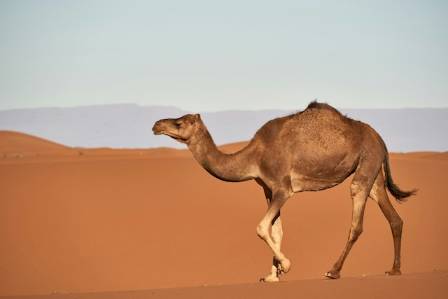
Arabian camels have been domesticated for around 3,500 years and have played an important role in human history as transportation and pack animals.
They can carry heavy loads and travel approximately 25 miles (40 kilometers) per day across desert regions. In some cultures, the number of camels a person owns has traditionally been considered a symbol of wealth and social status.
Today, most dromedary camels around the world are domesticated. They are mainly found in North Africa and southwestern Asia, and they have also been introduced to Australia, where populations now live in the wild.
Nearby projects

· en
Giraffes: The Tallest Mammals on Earth
Elara Madden

· en
Where to Find the Most Breathtaking Snowy Mountain Landscapes
Darien Wilde

· en
What is a Field Mouse?
Elias Thornfield

· en
5 Interesting Facts About Seals
Kevin Abrams

· en
The Finest Coupes of 2025: Style Meets Substance
Eleanor Vance

· en
Why Is the Pyramid of Kukulcan So Famous?
Mason Ellis