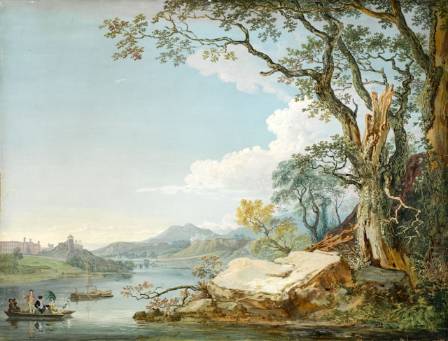
Modern oil painting has transcended its traditional roots to become a dynamic, boundary-pushing art form that mirrors the complexity and diversity of the contemporary world. No longer confined to classical landscapes, religious iconography, or formal portraits, today’s oil painters leverage centuries-old techniques while embracing innovation, personal narrative, and social relevance. From the tactile thickness of impasto to the luminous layers of glazing, from abstract minimalism to surrealist fantasy, modern oil painting thrives on experimentation and emotional resonance. In this exploration, we delve into the evolution of the medium, dissect popular techniques, examine defining trends, explore tools and materials, guide collectors in appreciation, and envision its future—all while celebrating the artists who breathe life into canvas with oil and creativity.
1.The Evolution of Oil Painting: From Old Masters to Contemporary Visionaries
Oil painting’s journey spans over five centuries, with its origins rooted in medieval Europe, where artists like Jan van Eyck refined the use of oil-based pigments to achieve unprecedented detail and realism. The Old Masters—Rembrandt van Rijn, Johannes Vermeer, and Diego Velázquez, to name a few—elevated the medium to a fine art, mastering chiaroscuro (the contrast of light and shadow) and color blending to create works of profound depth and emotional intensity. These artists focused on religious themes, royal portraits, and mythological scenes, adhering to strict artistic conventions and patronage systems. However, the 19th and 20th centuries marked a seismic shift: the Impressionists (Claude Monet, Pierre-Auguste Renoir) rejected academic rigidity, capturing fleeting light and everyday moments with loose brushstrokes and vibrant hues; the Expressionists (Edvard Munch, Wassily Kandinsky) prioritized emotional expression over realism, using bold colors and distorted forms to convey inner turmoil; and the Abstract Expressionists (Jackson Pollock, Mark Rothko) abandoned representational subject matter entirely, embracing spontaneity and gestural mark-making. Today, modern oil painters build on this legacy of rebellion and innovation, exploring themes such as identity, climate change, mental health, and cultural hybridity. They blend traditional techniques with contemporary ideas, creating works that are both timeless and deeply rooted in the present—reflecting a world shaped by globalization, technology, and social change.
2.Timeless Techniques Reimagined: Glazing, Impasto, and Alla Prima
Modern oil painting honors its heritage through foundational techniques, but contemporary artists infuse them with fresh perspective and experimentation, pushing the boundaries of what the medium can achieve.
Glazing: Luminous Layers for Depth and Atmosphere
Glazing is a technique dating back to the Renaissance, where thin, translucent layers of oil paint are applied over dried layers to create depth, luminosity, and complex color harmonies. Unlike opaque painting, glazing allows light to penetrate the layers, reflecting off the canvas and creating a radiant, almost ethereal effect. Traditional glazes often used earthy tones or subtle color shifts, but modern artists embrace bold, unexpected palettes—think deep blues layered over vivid purples, or neon pinks blended with muted grays—to create striking visual contrasts. For example, contemporary artist Jenny Saville uses glazing to build up flesh tones in her large-scale portraits, adding depth to skin texture and capturing the nuances of light and shadow. The process requires patience: each layer must dry completely (often taking days) before the next is applied, but the result is a work that seems to glow from within, inviting viewers to linger and explore its subtle variations. Modern glazing also incorporates mixed media, with some artists adding metallic pigments, iridescent paints, or even digital elements (such as printed images under glaze layers) to enhance the effect.
Impasto: Tactile Texture and Three-Dimensionality
Impasto, derived from the Italian word for “paste,” involves applying thick, heavy layers of paint to the canvas using brushes, palette knives, or even fingers, resulting in raised, textured surfaces that are visible and tangible. Made famous by Vincent van Gogh—whose thick, swirling brushstrokes in “Starry Night” and “Sunflowers” created dynamic, emotional compositions—impasto has been reimagined by modern artists to emphasize texture as a narrative tool. Contemporary painters like Anselm Kiefer use impasto to convey themes of history and memory, applying layers of paint, sand, ash, and even straw to create rugged, tactile surfaces that evoke the weight of the past. Others, such as Julie Mehretu, combine impasto with abstract forms, using thick paint to add dimension to complex, layered compositions that reference urban landscapes and political histories. The tactile quality of impasto invites viewers to engage with the work beyond sight—imagining the feel of the paint under their fingers, or the movement of the artist’s hand as they applied each layer. This physicality adds a visceral element to modern oil painting, bridging the gap between the viewer and the artwork.
Alla Prima (Wet-on-Wet): Spontaneity and Dynamic Energy
Alla Prima, or “wet-on-wet” painting, is a technique where artists apply fresh, wet paint onto still-wet layers without waiting for previous layers to dry, allowing colors to blend and merge directly on the canvas. Popularized by the Impressionists, who valued capturing the fleeting moments of light and movement, alla prima is beloved by modern artists for its spontaneity and ability to convey dynamic energy. Unlike glazing or impasto, which require planning and patience, alla prima is intuitive and responsive—artists must work quickly, trusting their instincts to create balanced compositions. Contemporary artists like Richard Schmid use alla prima for portrait painting, achieving soft, natural transitions between colors and capturing the sitter’s expression with immediate, gestural strokes. Others, such as Cecily Brown, embrace the technique’s chaotic potential, using bold, swirling brushstrokes and vibrant color blends to create abstract works that feel alive with movement and emotion. Alla prima is particularly popular in plein air (outdoor) painting, where artists must adapt to changing light and weather conditions—making it a perfect fit for modern painters who seek to capture the immediacy of the natural world or urban environments.
3.Defining Trends in Modern Oil Painting: Abstract, Surreal, and Socially Conscious
Modern oil painting is shaped by a diverse range of trends, reflecting the varied interests, concerns, and creative visions of contemporary artists. From abstract minimalism to surrealist fantasy, from intimate portraiture to bold social commentary, these trends highlight the medium’s versatility and relevance in today’s art world.
Abstract and Minimalism: Simplicity and Subjective Interpretation
Abstract and minimalist oil painting have emerged as dominant trends in the 21st century, emphasizing simplicity, color, and form over representational subject matter. Abstract artists reject the need to depict recognizable objects, instead using shape, line, color, and texture to convey emotion, ideas, or energy. Minimalist painters take this a step further, focusing on clean lines, muted palettes, and negative space to create calm, balanced compositions that invite contemplation. Artists like Mark Rothko (though associated with mid-20th century Abstract Expressionism) continue to influence modern abstract oil painters, with his large-scale color field paintings inspiring works that prioritize emotional resonance over narrative. Contemporary artists such as Sean Scully use geometric shapes and bold color blocks to explore themes of identity and belonging, while minimalist painters like Agnes Martin create delicate, almost meditative works with subtle lines and soft hues. These trends reflect a cultural shift toward mindfulness and simplicity, offering viewers a respite from the chaos of modern life and encouraging subjective interpretation—each viewer brings their own experiences and emotions to the work, finding meaning in its form and color.
Surrealism and Fantasy: Dreamlike Worlds and Boundless Imagination
Surrealism, which emerged in the early 20th century as a reaction to rationalism and realism, remains a vibrant trend in modern oil painting, with artists using the medium to create dreamlike, otherworldly scenes that challenge reality. Surrealist oil paintings often blend human figures with fantastical landscapes, merge organic and synthetic forms, or distort perspective to create a sense of disorientation and wonder. Contemporary artists like Zdzisław Beksiński (known for his dark, surreal landscapes) and Remedios Varo (whose works blend mysticism and surrealism) inspire modern painters to explore the subconscious and push the boundaries of imagination. Today’s surrealist oil painters often incorporate symbolic elements—such as floating figures, melting objects, or hybrid creatures—to convey complex emotions, philosophical ideas, or social critiques. For example, artist Laurie Lipton uses hyper-realistic oil painting techniques to create surreal portraits of figures with exaggerated features, exploring themes of vulnerability and identity. Surrealism and fantasy in modern oil painting offer a escape from the mundane, inviting viewers to enter worlds where anything is possible and encouraging them to question their perceptions of reality.
Portraiture with Purpose: Identity, Emotion, and Social Commentary
Modern oil portraiture has evolved far beyond mere likeness, becoming a powerful tool for exploring identity, emotion, and social issues. Unlike traditional portraits, which often celebrated wealth, power, or status, contemporary oil portraits focus on the human experience—capturing vulnerability, resilience, joy, and pain. Artists use expressionistic styles, vibrant colors, and unconventional compositions to convey the sitter’s personality and story, often incorporating elements of their cultural background, personal struggles, or social context. For example, artist Kehinde Wiley (known for his portraits of Black individuals in heroic, classical poses) uses oil painting to challenge historical representations of power and identity, reimagining traditional European portraiture with contemporary Black subjects. Similarly, Amy Sherald creates poignant oil portraits of Black Americans, using muted color palettes and flat, graphic styles to focus on the sitter’s expression and presence, rather than their skin tone. Modern portrait painters also address social issues such as mental health, immigration, and inequality, using their work to raise awareness and spark conversation. These portraits resonate with viewers because they feel authentic and relatable—they reflect the diversity of the human experience and remind us of our shared humanity.
4.Tools and Materials: Innovations in Modern Oil Painting
The tools and materials used in modern oil painting have evolved significantly, offering artists more options than ever to experiment with texture, color, and form. While traditional materials—high-quality canvas, natural bristle brushes, and oil-based pigments—remain foundational, contemporary artists embrace new technologies, sustainable alternatives, and unconventional surfaces to push the boundaries of the medium.
Canvases and Surfaces: Beyond Traditional Cotton
Modern oil painters no longer limit themselves to traditional cotton or linen canvas. Instead, they experiment with a wide range of surfaces, including wood panels, metal sheets, paper, fabric, and even recycled materials. Wood panels offer a rigid, smooth surface that is ideal for detailed work and glazing, while metal sheets (such as aluminum) reflect light, adding a unique luminous quality to the painting. Some artists use paper or cardboard for their texture and affordability, while others incorporate fabric—such as silk, burlap, or denim—to add depth and tactile interest. Recycled materials, such as old doors, windows, or packaging, are also popular among eco-conscious artists, who repurpose them as canvases to reduce waste and add narrative depth to their work. For example, artist El Anatsui uses discarded bottle caps and metal scraps to create large-scale oil paintings that address environmental issues and cultural identity.
Pigments and Paints: Vibrancy, Durability, and Sustainability
Oil pigments have come a long way since the Renaissance, with modern manufacturers offering a wide range of colors, including bright neons, iridescent hues, and earthy tones. Synthetic pigments, developed in the 19th and 20th centuries, offer greater vibrancy and durability than natural pigments, with colors that resist fading over time. Many modern artists also prioritize sustainability, choosing eco-friendly paints made from natural oils (such as linseed, safflower, or sunflower oil) and non-toxic pigments. Some manufacturers even offer water-mixable oil paints, which eliminate the need for toxic solvents (such as turpentine) and make cleanup easier—appealing to artists who want to reduce their environmental impact. Additionally, artists often mix their own paints, combining pigments with binders and mediums to create custom colors and textures. This level of control allows them to achieve unique effects, from thick, buttery paint for impasto to thin, translucent paint for glazing.
Brushes, Palette Knives, and Unconventional Tools
While traditional brushes (natural bristle for oil painting) remain essential, modern artists use a variety of tools to create texture and mark-making. Palette knives—flat, rigid blades with wooden handles—are popular for impasto, allowing artists to apply thick layers of paint and create bold, angular strokes. Synthetic brushes, which are more affordable and durable than natural bristle, are ideal for detailed work and smooth blending. Beyond brushes and palette knives, contemporary artists embrace unconventional tools to achieve unique effects: sponges for soft, textured marks; scrapers for removing paint and creating negative space; fingers for intimate, gestural strokes; and even household items like credit cards, toothbrushes, or combs. Some artists even use digital tools in conjunction with traditional oil painting—for example, projecting digital images onto the canvas as a reference, or using digital software to plan compositions before applying paint. These innovations in tools and materials give modern oil painters greater flexibility and creativity, allowing them to explore new techniques and push the boundaries of the medium.
5.Collecting and Appreciating Modern Oil Paintings: A Guide for Enthusiasts
Collecting and appreciating modern oil paintings is a deeply personal journey, one that involves understanding the artist’s intent, recognizing technical skill, and connecting with the work on an emotional level. Whether you’re a seasoned collector or a casual enthusiast, there are several key factors to consider when engaging with modern oil art.
Understanding the Artist’s Vision and Technique
To fully appreciate a modern oil painting, it’s important to research the artist’s background, influences, and creative process. What themes does the artist explore? What techniques do they use, and how do those techniques serve the work’s narrative or emotional impact? For example, if you’re looking at an impasto painting, consider how the thick layers of paint contribute to the work’s meaning—does it evoke texture, depth, or raw emotion? If it’s an abstract piece, think about the artist’s use of color and form—what emotions or ideas do they convey? Many modern artists share their process on social media or in interviews, offering insight into their inspiration and technique. Taking the time to learn about the artist can deepen your appreciation for the work and help you make informed collecting decisions.
Evaluating Quality and Authenticity
When collecting modern oil paintings, quality and authenticity are paramount. Look for works that demonstrate technical skill—even abstract or experimental pieces require mastery of the medium, whether it’s blending colors, controlling brushstrokes, or applying layers of paint. Check the condition of the painting: are the colors vibrant, or have they faded? Is the canvas or surface in good shape, free from tears, cracks, or water damage? Authenticity is also crucial—ensure that the work comes with a certificate of authenticity, and research the artist’s signature and style to verify that it aligns with their known body of work. If you’re purchasing from a gallery or dealer, ask about their authentication process and return policy. Investing in a high-quality, authentic modern oil painting not only ensures that you’re getting a valuable piece of art but also supports the artist’s career.
Displaying and Caring for Your Collection
Proper display and care are essential to preserving the beauty and value of modern oil paintings. Oil paintings are sensitive to light, humidity, and temperature, so it’s important to hang them in a location with indirect, natural light (avoid direct sunlight, which can fade colors) and consistent temperature and humidity (ideally between 65-75°F and 40-60% humidity). Avoid hanging paintings near windows, doors, or air vents, which can expose them to drafts or extreme temperature changes. When framing, use acid-free matting and UV-protective glass to prevent damage from light and moisture. Regular cleaning is also important—dust the frame and canvas gently with a soft, dry cloth, and avoid using water or cleaning products on the painting itself. If the painting needs restoration, consult a professional conservator who specializes in oil paintings. With proper care, a modern oil painting can be enjoyed for generations to come.
6.The Future of Oil Painting: Innovation, Sustainability, and Global Connection
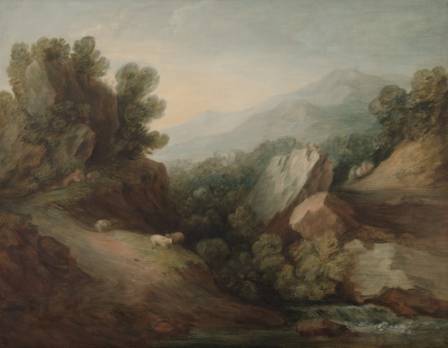
As we look to the future, modern oil painting shows no signs of slowing down—instead, it continues to evolve, driven by innovation, sustainability, and global connection. New technologies, changing cultural values, and emerging artists are shaping the future of the medium, ensuring that it remains relevant and vibrant in the 21st century and beyond.
Digital Integration and New Technologies
Digital technology is playing an increasingly important role in modern oil painting, offering artists new tools for creation, collaboration, and distribution. Many artists use digital software (such as Procreate, Photoshop, or Blender) to sketch compositions, experiment with colors, or even create digital paintings that are then printed and finished with oil paint. Others use 3D printing to create textured surfaces or sculptural elements that are incorporated into oil paintings, blurring the line between two-dimensional and three-dimensional art. Social media and online platforms have also transformed the art world, allowing artists to share their work with a global audience, connect with collectors and fellow artists, and gain feedback in real time. Platforms like Instagram, TikTok, and ArtStation have become essential tools for emerging artists, helping them build a following and showcase their work to galleries and collectors worldwide. Digital integration is not replacing traditional oil painting—instead, it’s enhancing it, offering artists new ways to express themselves and reach audiences.
Sustainability and Eco-Conscious Practices
Globalization and Cultural Exchange
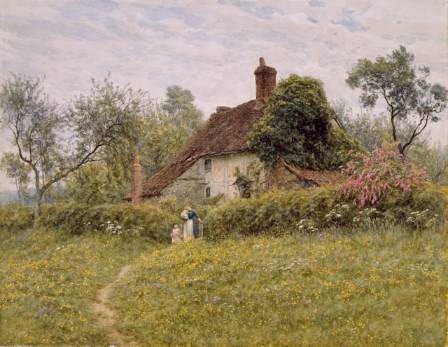
Globalization has connected artists from around the world, fostering cultural exchange and collaboration that is shaping the future of oil painting. Artists are drawing inspiration from diverse cultures, blending traditional techniques and themes from different regions to create works that are globally relevant yet deeply rooted in their own heritage. For example, artists from Asia are incorporating traditional calligraphy or ink painting techniques into oil paintings, while artists from Africa are blending tribal motifs with contemporary social commentary. This cross-cultural exchange is enriching the medium, bringing new perspectives, styles, and ideas to modern oil painting. Additionally, international art fairs, biennials, and online platforms are making it easier for artists to showcase their work globally, allowing collectors and enthusiasts to discover art from diverse cultures and backgrounds. The future of oil painting will be increasingly global, reflecting the interconnectedness of our world and celebrating the diversity of human creativity.