DIY note
10 Surprising Facts About Watermelon
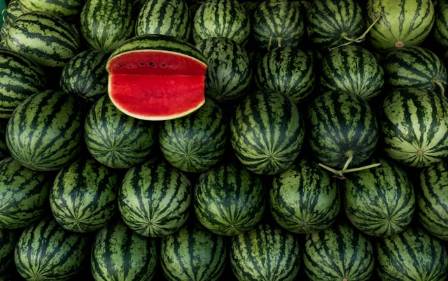
Watermelon is a beloved summer treat, often seen at picnics and barbecues, and is known for its refreshing, hydrating properties. Whether you enjoy it as a juicy slice on a hot day or mixed into a cool drink, watermelon is a versatile fruit with many interesting facts. Here are some lesser-known details that will make you appreciate this sweet, watery snack even more.
Arthur
Maker
Bench tip
Read the full note below and keep tools nearby.
Shelf
Hobby build
Watermelon is a beloved summer treat, often seen at picnics and barbecues, and is known for its refreshing, hydrating properties. Whether you enjoy it as a juicy slice on a hot day or mixed into a cool drink, watermelon is a versatile fruit with many interesting facts. Here are some lesser-known details that will make you appreciate this sweet, watery snack even more.
1. Watermelon is Both a Fruit and a Vegetable
Although watermelon is most commonly considered a fruit due to its sweet taste and seed-filled interior, it technically belongs to the vegetable family. It is a member of the gourd family, alongside cucumbers, squash, and pumpkins. Many gardeners treat it as a vegetable because it grows alongside other garden crops, but botanically, it qualifies as a fruit.
2. You Can Eat the Entire Watermelon
While we typically enjoy the fleshy part of watermelon, the rind is also edible and packed with nutrients. In parts of China, watermelon rinds are often stir-fried or stewed, and in the American South, they are sometimes pickled. Additionally, watermelon seeds can be dried and roasted, much like pumpkin seeds, to create a crunchy snack enjoyed in various parts of the world.
3. Watermelon is 92% Water
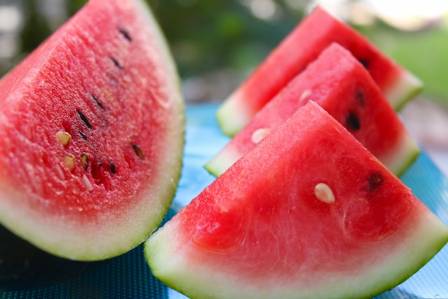
One of the reasons watermelon is so refreshing on a hot day is that it’s made up of 92% water. This high water content makes it an excellent way to hydrate during the summer months, helping to keep you cool and refreshed while also providing a light, satisfying snack.
4. There Are Over 1,200 Varieties of Watermelon
Watermelon comes in a wide range of varieties, with over 1,200 different types worldwide. These can be broadly categorized into seeded, seedless, icebox (mini), and yellow/orange varieties. Some unique varieties include the Crimson Sweet, a popular deep red melon, and the Golden Midget, which turns yellow when ripe. Others, like the Cream of Saskatchewan, have cream-colored flesh, offering a different take on this classic fruit.
5. Seedless Watermelons Are Not Genetically Modified
A common misconception is that seedless watermelons are genetically engineered, but they are actually the result of hybridization—a natural breeding process. While they were once a rarity, seedless varieties now account for about 85% of watermelons sold in the U.S. The white “seeds” that you may still encounter in seedless watermelons are simply empty seed coats and are completely safe to eat.
6. Watermelons Can Grow Enormous
Watermelons can reach impressive sizes, and the largest one on record weighed an astounding 350.5 pounds. This record-breaking watermelon was grown by Christopher Kent of Sevierville, Tennessee, in 2013. To put it in perspective, that’s about the size of an NFL lineman!
7. Watermelons Contain Lycopene, an Anti-Cancer Compound
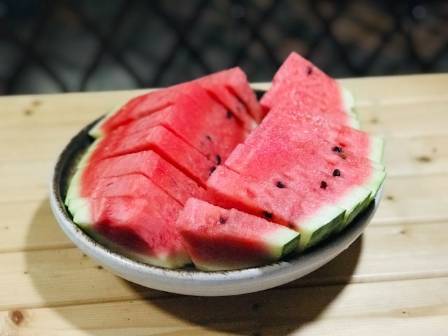
Watermelon is one of the best sources of lycopene, a powerful antioxidant linked to a lower risk of several types of cancer. Lycopene is also beneficial for heart health and may help prevent macular degeneration. By consuming watermelon, you can support your body’s defense against oxidative stress and its harmful effects.
8. Square Watermelons Are a Japanese Innovation
In Japan, farmers have perfected the art of growing square watermelons for the past 40 years. These unique melons are cultivated in box-shaped molds, forcing them to grow into a cube. While these square watermelons are typically sold as novelty items due to their unusual shape, they are often not ripe when sold and are priced high as decorative gifts. Some farmers have even grown watermelons in the shape of hearts, pyramids, and faces.
Conclusion
Watermelon is more than just a summer snack; it’s a fascinating fruit with a rich history and several surprising features. Whether it’s the fact that it’s both a fruit and a vegetable, its massive varieties, or its impressive health benefits like being packed with lycopene, watermelon offers a lot more than just a sweet bite. So, the next time you enjoy a slice of this hydrating treat, remember these intriguing facts and savor it even more.
Nearby projects

· en
The World's 5 Wealthiest Cricket Boards
Julia

· en
Best Time to See the Milky Way + 2025 Milky Way Chart
Nico

· en
Anxiety Grips a Remote Fishing Community Following a Sudden Industry Shutdown as Residents Face an Uncertain Future
Julian Foster

· en
8 Refreshing Alternatives to Water for Ultimate Hydration
Zoey Harper

· en
The Comprehensive Manual for Selecting Women’s Overalls
Noah Harrison Blake

· en
The Ultimate Guide to Choosing Silk Scarves for Women
Joshua Kelsy