DIY note
How to create a cosy book nook at home
“If your home has room for a reading nook, take advantage of it. If there isn’t an obvious place for one, make the opportunity yourself,” suggests Soho Home Lead Designer Jessica Sims-Wilson, who works with the Soho Home Design service.
Daniel Morgan
Maker
Bench tip
Read the full note below and keep tools nearby.
Shelf
Hobby build
“If your home has room for a reading nook, take advantage of it. If there isn’t an obvious place for one, make the opportunity yourself,” suggests Soho Home Lead Designer Jessica Sims-Wilson, who works with the Soho Home Design service.
In many of their homes, designers combine spacious areas designed for socializing with smaller, more private corners that create a sense of warmth and seclusion. The same approach can work in your own home, giving you a dedicated place to enjoy some quiet time.
It may seem like an unnecessary luxury, but having a small area that feels like your own can make a noticeable difference. Look for an underused part of the home and transform it with a comfortable chair, cozy fabrics, and gentle lighting.
As the days become shorter and evenings grow darker, creating a reading corner is also a great seasonal home project. With a few carefully chosen pieces, you can turn an overlooked spot into a comfortable retreat for reading and relaxing.
Finding the Perfect Spot
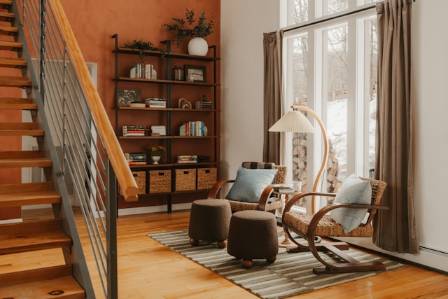
There are plenty of possibilities when it comes to finding space for a book nook. Often, the best solution is to make use of an area that is currently overlooked or not being used effectively. One particularly appealing location is beneath a staircase, where the naturally enclosed shape can create an intimate and cozy atmosphere.
Another option is to visually define part of a wall by painting a graphic shape, such as an arch, around the area. This can separate the nook from the rest of the room while also creating an attractive focal point. If you have a large window, placing a chair beneath it can also make excellent use of the available daylight.
From a design standpoint, a corner is often an ideal location. You can use a bookcase, tall plant, or similar feature to partially separate the nook while still keeping it visually connected to the rest of the room.
This arrangement also relates to the psychological concept known as “prospect and refuge.” People tend to feel more secure and relaxed when they can see what is happening around them while avoiding having others approach from directly behind. For a reading nook, the goal is to provide a clear view of the room while giving you a sense of privacy.
Choose a Comfortable Chair
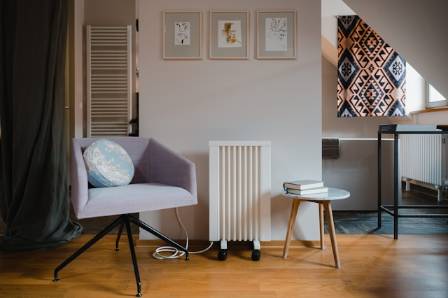
The chair should be the starting point for creating a truly relaxing reading area. Ideally, select one that is spacious enough to let you pull your feet up, with generous arms that can also support your legs if that is how you prefer to sit. The upholstery should feel pleasant and comfortable against your body.
For a traditional aesthetic, the Theodore armchair is a suitable choice. If you have additional room, the Audrey loveseat offers more space, while the Garret chair provides a distinctive option with its rotating design and classic Soho Home character.
It is also worth considering whether you already have a chair elsewhere in your home that could be repurposed. For instance, a spare dining chair from an extendable dining table could be moved into the nook. You might also want a chair that can occasionally move between the reading area and bedroom. If so, consider how its size, shape, and overall design will work in multiple locations.
Add a Footstool
If the reading nook has enough room, adding a footstool can make the seating considerably more comfortable. This is particularly useful if you are reusing a chair from another part of the house and want to make the new arrangement feel warmer and more inviting.
The Theodore footstool is available in several upholstery options, including tactile velvet and boucle. The Sofia footstool offers a stylish appearance, while the Lyla footstool in Obie printed velvet introduces a mixture of seasonal colors that works especially well from autumn through winter.
Define the Area With a Rug
A rug can dramatically change the feeling of a reading corner. By visually separating the area from the rest of the room, it helps establish the idea that this particular spot is dedicated to rest and relaxation.
For maximum comfort, choose a rug with a thick, high pile and plenty of texture. A deeper, richer color can complement a seasonal autumn or winter scheme, while a distinctive pattern can further help distinguish the reading nook from its surroundings.
Add Plenty of Soft Textiles
Cushions and blankets are essential for making a reading nook feel inviting. Look for cushions made from tactile woven materials and choose fabrics or colors that share some visual connection with one another.
Start with a central color palette that works alongside the existing elements in the room. From there, combine a cushion in a solid shade with another featuring a pattern to introduce contrast without making the space feel overly busy.
A soft alpaca throw, such as the Maria throw, can provide an especially comfortable layer and is available in seven different colors. For a more winter-inspired atmosphere, a cable-knit Fionn throw or the faux-fur Kuma throw can bring additional warmth and texture.
Create a Spot for Your Drink
Once you have settled into your chair, everything you need should remain within easy reach. A compact side table can provide enough space for your drink, book, phone, or other small essentials without taking over the nook.
The table does not need to have a large surface, but its height should make it easy to reach while sitting down. For a more dramatic design statement, the Nelson side table features solid, honed Calacatta Viola marble in an ivory-toned Italian stone accented with maroon and red veining.
For a more accessible alternative, the Arlon side table combines a solid Fantasy Brown marble top sourced from India with a slim brass frame and base.
Choose Functional Lighting
Lighting plays a major role in creating a calm and welcoming atmosphere, but a reading nook also needs illumination that serves a practical purpose. For this reason, task lighting should be incorporated into the design.
Task lights generally feature a structured shade that allows the light beam to be directed toward a particular area. A multi-head floor lamp such as the Selina can provide useful focused illumination for reading.
Smaller table lamps can also work effectively. Place one on the side table beside the chair, or add one to a nearby shelving unit if the nook includes shelves. Choose a lamp with a soft fabric shade in a neutral color to produce a gentle, flattering glow while keeping the overall atmosphere relaxed.
Nearby projects

· en
Effective Indoor Attire for Maintaining Body Heat
Alexander James Whitmore

· en
How Do Western and Asian Architectural Styles Differ?
Daniel Moore

· en
Thirteen Architectural Wonders Every Student Should Know
Audrey Foster

· en
Embrace the Outdoors: 5 Refreshing Activities to Step Outside
Dylan

· en
Top 10 Classic Salads (From Caprese to Grilled Chicken Salad)
Molly McArdle

· en
How to Make Japanese Oden
Cameron Reese