DIY note
The Canary: A Comprehensive Guide to Characteristics and Care
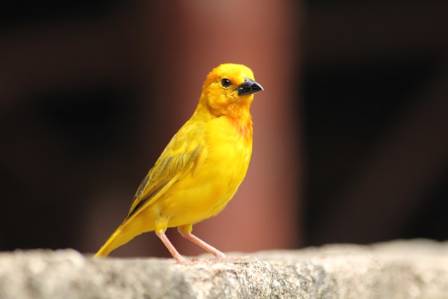
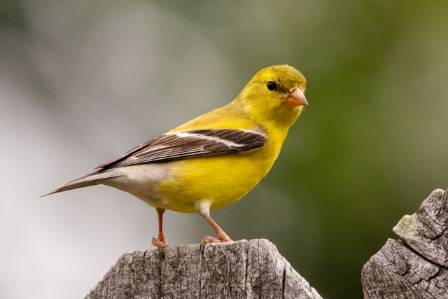
Within the avian world, 15 distinct species are formally recognized as canaries, all of which are small finches belonging to the Fringillidae family. While many bright yellow birds are colloquially called canaries, the true ancestor of the modern domestic pet is the island canary (Serinus canaria).
Leonard Felix Harrington
Maker
Bench tip
Read the full note below and keep tools nearby.
Shelf
Hobby build
Within the avian world, 15 distinct species are formally recognized as canaries, all of which are small finches belonging to the Fringillidae family. While many bright yellow birds are colloquially called canaries, the true ancestor of the modern domestic pet is the island canary (Serinus canaria).
Defining Traits and Aesthetics
The "common" or "Atlantic" canary has been bred domestically for hundreds of years, resulting in over 200 unique breeds available to enthusiasts today. While the wild ancestor features yellow plumage with dark streaking, domestic varieties display a vibrant spectrum including white, red, black, and greenish tints.
Beyond color, canaries are primarily celebrated for their extraordinary vocal abilities. They possess melodic songs and intricate whistles that brighten any home. While they do not mimic speech or household noises, their natural repertoire is vast. Males are particularly vocal during the spring as they respond to increasing daylight, though females are also capable songsters.
Physical Profile and Habitat Advantages
Canaries are diminutive birds, typically measuring 4 to 5 inches in length with a modest wingspan of 8 to 9 inches. This compact size makes them ideal for owners living in apartments or smaller homes. Furthermore, canaries are notably tidy; they create less debris and are less prone to destructive shredding behaviors than larger parrots, simplifying the maintenance of their environment.
Nutritional Requirements and Enrichment
A canary's diet should be diverse to mirror its natural foraging habits. Ideally, 80% of their intake should consist of fortified pellets, while the remaining 20% is comprised of fresh fruits, vegetables, and occasional seed treats like millet sprays. Access to clean, fresh water is a constant necessity.
To ensure mental well-being, provide a variety of toys and perches. Natural twigs and branches of varying diameters help prevent foot disorders. Mirrors, bells, and swings provide hours of entertainment as these active birds flit throughout their habitat to investigate new objects.
Cultivating a Bond
Canaries bond most effectively when adopted as chicks, though adults can also become quite attached to their owners. To strengthen this connection, place the cage in a high-traffic area, such as a family room, to integrate the bird into the "flock." Regular interaction through talking or whistling helps the bird feel secure.
Establishing a consistent schedule for feeding and rest is beneficial. Over time, many canaries can even be hand-tamed, learning to perch on a finger in exchange for their favorite treats.
Essential Supplies for New Bird Owners
Before bringing a feathered companion home, it is vital to have the proper infrastructure in place. Most of these items are readily available at local pet specialty stores.
Selecting the Right Habitat
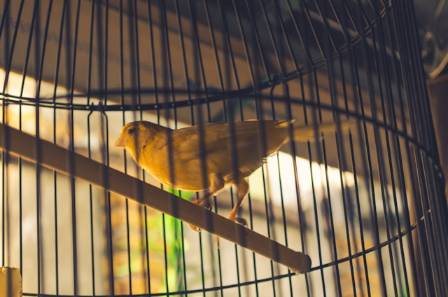
The primary rule for bird housing is to provide the largest space your budget and home can accommodate. Choose a square or rectangular cage over a round one to maximize flight room. Ensure the bars are evenly spaced rather than tapered toward the top to prevent limbs or heads from getting caught.
The habitat should be constructed from safe metals like stainless steel or powder-coated steel. Avoid toxic metals that a bird might ingest while climbing. A removable metal grate at the bottom is essential to keep the bird away from waste.
Lining and Sanitation
The most practical liners for a cage tray are newspaper or commercial walnut litter. These options are safe and allow owners to monitor the appearance of droppings, which is a key indicator of avian health. For feeding, stainless steel cups are preferred over plastic, as they do not scratch and are easier to disinfect.
Diet and Supplements
For optimal health, provide a balanced pelleted or extruded diet supplemented with fresh produce. If you rely on seed mixes, you must provide a mineral block or cuttlebone to prevent deficiencies in calcium and essential vitamins. Breeding females, in particular, require extra calcium for egg production.
Perches and Hygiene
Offer a variety of perches made from natural wood, rope, or pumice. Varying the texture and diameter is crucial for foot health; ideally, the bird’s foot should wrap about three-quarters of the way around the perch.
Bathing is equally important for health and plumage. Some birds prefer a shallow bowl, while others enjoy being misted with warm water. You can even find specialized shower perches that allow your pet to join you during your morning routine.
Enrichment and Travel
Active birds are happy birds. Provide "thinking" toys for mental stimulation, "action" toys that make noise, and "destroyable" toys like cardboard tubes for chewing. Foraging opportunities—such as hiding treats within toys—mimic natural wild behaviors and prevent boredom-induced habits.
Finally, a sturdy travel carrier is necessary for veterinary visits. Plastic carriers are generally easier to disinfect than fabric versions. To reduce stress, leave the carrier open in the home and place treats inside so the bird learns to view it as a safe and rewarding destination.
Nearby projects

· en
Catch the Wildflowers Bloom at These 10 Camping Destinations
Wren Parker

· en
Twin Chimneys
Freya Caldwell

· en
Admire the snow-covered beauty of China
Elara Montgomery

· en
Mastering the Art of Homemade Ice Cream: Essential Tips for Creamy Delights
Ryan Elliot

· en
Moose: The Giant of the Deer Family
Sylas Donovan
· en
Fun Facts About Fishes!
Brandon Carter