DIY note
Catch the Wildflowers Bloom at These 10 Camping Destinations
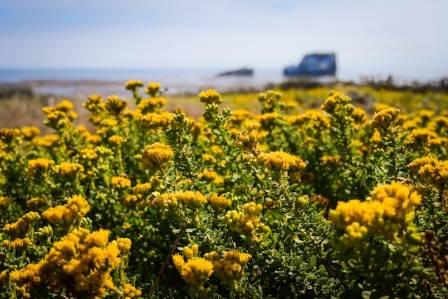
Wildflowers have a special charm because they seem completely unwilling to follow any rules. They appear wherever nature allows them to grow, much like an artist who ignores the boundaries of a canvas. Their beauty becomes especially impressive when vast meadows are suddenly covered in flowers of countless colors.
Wren Parker
Maker
Bench tip
Read the full note below and keep tools nearby.
Shelf
Hobby build
Wildflowers have a special charm because they seem completely unwilling to follow any rules. They appear wherever nature allows them to grow, much like an artist who ignores the boundaries of a canvas. Their beauty becomes especially impressive when vast meadows are suddenly covered in flowers of countless colors.
Wildflowers are generally defined as flowering plants that grow naturally without being intentionally planted or cultivated by people. Spring and summer are especially wonderful seasons for seeing them in bloom.
When exploring areas filled with wildflowers, it is important to follow Leave No Trace principles. Avoid damaging plants or disturbing their surroundings so that these landscapes remain beautiful for future visitors.
Wildflowers do not depend on people, but people certainly benefit from having them around. With careful planning, a camping trip can become an opportunity to experience some of the country's most spectacular natural displays.
One important reminder before exploring any flower-filled landscape: removing flowers from national parks is prohibited. Enjoy the scenery, take photographs, and leave the plants where they grow.
Saguaro National Park, Arizona
Blooming Season: April–June
Saguaro National Park takes its name from the enormous saguaro cactus that dominates the surrounding desert. From April through June, these iconic cacti produce delicate white blossoms that provide a beautiful contrast to their sharp spines.
The area also supports other flowering plants, including desert marigolds and sweet bush, creating additional bursts of color across the desert landscape.
Where to Camp
After spending the day exploring the wildflowers, campers can stay at Manning Camp or Spud Rock Cabin, both located near the flower-filled Bajada Loop.
If you have several days available, another option is Happy Valley Campground in the nearby Rincon Mountain District. The surrounding area provides plenty of opportunities to combine camping with springtime wildflower viewing.
Franconia Notch State Park, New Hampshire
Blooming Season: May–June
When lupines begin flowering in June, the White Mountains of New Hampshire are transformed into colorful meadows filled with purple, pink, blue, and white blossoms.
The peak period is relatively brief. Much like cherry blossoms, lupines remain at their most impressive for only a few weeks, so timing your visit carefully is important.
Where to Camp
Lafayette Place Campground makes a convenient base for exploring the area. Several hiking opportunities are nearby, including the Franconia Notch Loop Trail, which can be accessed from the campground.
The surrounding region offers plenty of other camping and outdoor recreation opportunities for visitors who want to stay longer.
Wichita Mountains Wildlife Refuge, Oklahoma
Blooming Season: May–September
From spring through the end of summer, the grasslands of southwestern Oklahoma can become covered in colorful wildflowers.
Wichita Mountains Wildlife Refuge is an excellent destination for seeing plants such as Baptisia, small yellow coreopsis, and Indian Blanket, the official state flower of Oklahoma.
Where to Camp
Wildflowers can be spotted along the relatively easy Jed Johnson Trail as well as the more challenging Charons Garden Mountains Trail.
The wildlife is another major attraction. While exploring, visitors may encounter bison, elk, or prairie dogs.
For a peaceful camping experience, Dora Campground provides a convenient place to stay while exploring the refuge.
Gunnison National Forest, Colorado
Blooming Season: June–August
Colorado's high country becomes especially colorful after the snow disappears. Known for its impressive wildflower displays, the area around Gunnison offers excellent opportunities to see alpine plants during the warmer months.
From June through August, visitors may encounter bright red fairy trumpets, golden sunflowers, colorful delphiniums, and many other mountain flowers.
Where to Camp
Lake Irwin Campground near Crested Butte is a popular place to establish a base for exploring the region. Reservations are recommended because the campground can be in high demand during wildflower season.
The campground is also considered suitable for pets, making it possible to bring along your four-legged companions while enjoying the mountain scenery.
Shenandoah National Park, Virginia
Blooming Season: April–August
Wildflower lovers will find an extraordinary variety of plants in Shenandoah National Park, where more than 850 species can be identified.
Among the flowers you may encounter are columbines, bluets, Quaker ladies, touch-me-nots, and many other colorful species.
The blooming period extends from late spring into summer, with different plants reaching their peak at different times.
Where to Camp
Big Meadows Campground is a convenient choice for visitors who want to stay within the park. The grassy campground contains roughly 200 sites.
Although it can become busy, the individual sites are reasonably spaced, providing a comfortable setting for enjoying the surrounding landscape.
Lyndon B. Johnson State Park, Texas
Blooming Season: March–June
Spring is an excellent time to visit Lyndon B. Johnson State Park and see the famous Texas bluebonnets.
These iconic flowers are one of the state's best-known natural symbols, but they are only a small part of the area's botanical variety. Approximately 449 other types of wildflowers can also be found in the region, providing plenty for plant enthusiasts to discover.
The best period for viewing generally runs from March through early June.
Where to Camp
The park is situated near the Johnson City airport, while camping is available about six miles west at Texas Wine Country Jellystone Park Camp-Resort, a family-oriented campground.
For travelers looking for a more natural and rustic experience, Pedernales Falls State Park is about 25 miles to the east and offers another attractive camping option.
Fort Pierre National Grassland, South Dakota
Blooming Season: April–September
Central South Dakota may initially bring images of enormous open prairies rather than fields of flowers, but the landscape can become surprisingly colorful during the warmer months.
From late spring through summer, visitors can find purple coneflowers, prickly pear, and numerous other wildflowers native to the Great Plains.
Where to Camp
A map from the Fort Pierre Ranger District can help visitors plan their route through the grassland. Forest Service Route 227 is a useful starting point for exploring the area.
The nearest camping opportunities are around Fort Pierre. Lilly Park Campground and Farm Island State Recreation Area are two options for spending the night while exploring the surrounding grasslands.
Great Smoky Mountains National Park, North Carolina
Blooming Season: April–August
For sheer variety of wildflowers, few places in North America can compare with the Great Smoky Mountains.
From around the middle of April through August, the Southern Appalachian landscape becomes an impressive botanical showcase. Visitors can discover an enormous range of plants, from squirrel corn to bleeding heart and many other species.
The variety makes the Smokies an especially rewarding destination for anyone interested in learning more about wildflowers.
Where to Camp
The Great Smoky Mountains extend across Tennessee and North Carolina, giving visitors camping choices on either side of the park.
Smokemont Campground on the North Carolina side is a convenient option for wildflower enthusiasts. It also provides access to other nearby attractions, including Gatlinburg and Mingo Falls.
Carrizo Plain National Monument, California
Blooming Season: March–May
Carrizo Plain is one of the most remarkable places in Southern California for experiencing a spectacular spring superbloom.
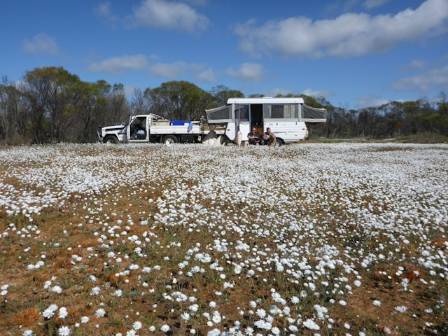
When weather conditions are favorable, enormous numbers of wildflowers can appear at the same time, covering the landscape with vast carpets of color.
Where to Camp
Carrizo Plain National Monument offers numerous opportunities for free dispersed camping, making it an especially appealing destination during spring.
Travelers who prefer a more established camping area can consider KCL Campground, which operates on a first-come, first-served basis.
The combination of green hills, comfortable spring temperatures, and expansive flower displays makes this a memorable seasonal destination.
Mount Rainier National Park, Washington
Blooming Season: June–September
Mount Rainier National Park is internationally known for its demanding mountaineering routes, but visitors do not need climbing equipment to appreciate its remarkable wildflowers.
Because the enormous volcanic mountain remains snow-covered for much of the year, the period available for viewing flowers is relatively short. This makes the summer blooming season especially worth taking advantage of.
From June through September, visitors can see asters, lupines, tiger lilies, and numerous other alpine wildflowers across the park.
August is generally an especially good month to visit because many of the area's flowers reach their peak during this period.
Enjoy the Wildflower Season Responsibly
From desert cacti and Great Plains flowers to alpine meadows and California superblooms, wildflowers can transform familiar landscapes into spectacular seasonal displays.
Whether you are planning a dedicated flower-viewing trip or simply adding a scenic stop to a camping adventure, timing your visit around the blooming season can make the experience much more rewarding.
Most importantly, admire the flowers without picking or damaging them. By staying on appropriate trails, respecting protected areas, and following Leave No Trace principles, you can help ensure that these colorful landscapes remain available for others to enjoy in the seasons ahead.
Nearby projects
· en
Grey Heron
Mia Thomas

· en
Classic coupes that aged like fine wine
Olivia Sterling

· en
Heavy Cream in Coffee: 3 Benefits & Recipes
Riley Harper

· en
Central Thai-Style Green Papaya Salad
Isabella Hayes
· en
The Snake Plant: A Complete Guide to Sansevieria Care and Cultivation
Madison King

· en
Historical Milestones and Global Trends in the Automotive Industry
Avery Madison Thornton