DIY note
How to Grow and Care for a Monstera Houseplant
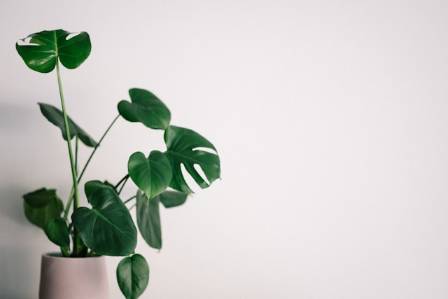
Often called the Swiss cheese plant, monstera is instantly recognizable thanks to its oversized leaves filled with natural holes and splits. Its lush green foliage brings a tropical look indoors, making it one of the most loved houseplants today.
Liora Sage
Maker
Bench tip
Read the full note below and keep tools nearby.
Shelf
Hobby build
Often called the Swiss cheese plant, monstera is instantly recognizable thanks to its oversized leaves filled with natural holes and splits. Its lush green foliage brings a tropical look indoors, making it one of the most loved houseplants today.
Native to the rainforests of Central America, monstera plants grow as climbing vines in warm, humid environments. While most people grow them indoors, gardeners in USDA Zones 9–10 can successfully grow monsteras outside, where they may climb up to 50 feet tall with leaves reaching two feet across. Indoors, their size stays much more manageable because of pot limitations and indoor lighting conditions. Here’s everything you need to know about caring for a monstera plant.
Essential Monstera Care Guide
Even beginner plant owners can grow monsteras successfully. Although the plant looks dramatic and exotic, it is surprisingly low-maintenance and adaptable.
Light Requirements
Monsteras grow best in bright but indirect sunlight. Aim to provide around 5–8 hours of filtered light each day. Variegated monstera varieties need even more light—roughly 5–12 hours daily—to maintain their unique leaf coloring.
Placing the plant near a north- or south-facing window usually works well. Avoid direct harsh sun, which may scorch the leaves. During winter or in darker rooms, a grow light can help maintain healthy growth.
Soil and Watering
Water your monstera approximately every one to two weeks. Fully soak the soil during watering and allow excess moisture to drain away completely. Empty standing water from saucers to avoid root problems.
Allow the top layer of soil to dry slightly between waterings. Overwatering is one of the most common causes of root rot. A loose, well-draining potting mix helps keep roots healthy and prevents excess moisture buildup.
Temperature and Humidity
Monsteras thrive in warm temperatures between 65°F and 85°F. Temperatures below 60°F may slow or stop growth.
Average indoor humidity is usually acceptable, but monsteras appreciate extra moisture in dry homes. Using a humidifier or lightly misting the plant weekly can help mimic its tropical environment.
Fertilizer Needs
Since monsteras grow quickly, they benefit from regular feeding during spring and summer. Apply a balanced liquid fertilizer, such as a 20-20-20 formula, once a month during the active growing season to encourage strong foliage and healthy development.
Pruning a Monstera
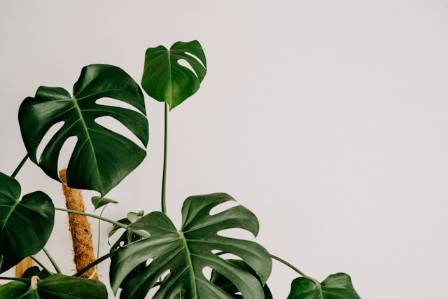
Monsteras can grow one to two feet per year, so occasional pruning helps maintain shape and health. Remove yellowing leaves, weak stems, or damaged growth to keep the plant looking tidy and encourage new development.
Potting and Repotting
Most monsteras need repotting every two to three years. Signs your plant needs a larger pot include roots emerging from drainage holes, slowed growth, soil drying too quickly, or declining leaves.
Choose a pot only slightly larger than the current one, since too much extra soil can hold excess moisture and cause root rot. Terracotta or unglazed clay pots work especially well because they help regulate soil moisture.
When repotting, add a moss pole or wooden support so the climbing vines have something to attach to. Secure stems gently with plant ties or soft string, taking care not to damage the leaves or stems.
How to Propagate Monstera
Monsteras are simple to propagate in several ways.
Stem Cuttings
The easiest method is taking a cutting from a healthy stem with several leaves. Cut just below a node, place the cutting in water, and roots should appear within two to three weeks. Refresh the water every few days to prevent rot.
Division
During repotting, you can divide the plant by gently separating a rooted section from the main plant. Replant each division into its own container.
Air Layering
Another technique involves wrapping damp sphagnum moss around a stem section, then covering it with plastic wrap secured by twine or ties. Once roots form inside the moss, cut below the rooted area and pot it separately.
Common Problems and Pests
Monsteras are generally hardy and resistant to pests. Most issues are related to watering mistakes.
Curled leaves usually indicate underwatering.
Yellow leaves often signal too much moisture.
The iconic leaf holes and splits naturally appear as the plant matures, typically around two to three years old. If mature plants still have solid leaves, they may need brighter light conditions.
Popular Monstera Varieties
Monstera Deliciosa
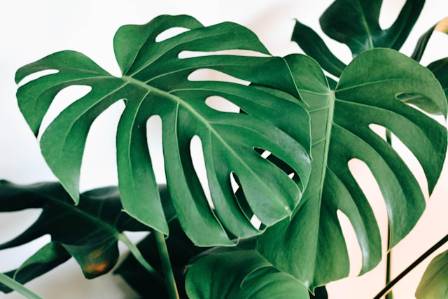
The classic and most common type, famous for its large heart-shaped leaves filled with dramatic splits and holes.
Variegated Monstera Deliciosa
This striking variety features white and pale green patterns across the foliage. It tends to grow faster than the standard form.
Monstera Obliqua
Known for its delicate leaves with smaller enclosed holes rather than deep splits. Mature leaves are usually smaller than those of other monstera varieties.
Nearby projects
· en
The Black-capped Chickadee: A Tiny Bird With a Remarkable Predator Warning System
lucy

· en
Expressive Watercolor Landscape Collage
Caleb Finn

· en
Best Cute Baby Dolls
Audrey Martin

· en
Desert Pavement: A Unique Wind-Formed Landscape
Isabella Thornfield
· en
The Canary: A Comprehensive Guide to Characteristics and Care
Leonard Felix Harrington
· en
Moose: The Giant of the Deer Family
Sylas Donovan