← Back to bench2 min build note
DIY note
What Is a Meadow Garden?
A meadow garden is a dynamic, ecologically rich landscape that blends beauty with biodiversity. Unlike traditional manicured gardens or untended wild spaces, meadow gardens are carefully curated ecosystems that support native plants and wildlife. They offer seasonal visual interest, attract pollinators like bees, butterflies, and hummingbirds, and provide habitat for various species.
S
Samuel Adams
Maker
Bench tip
Read the full note below and keep tools nearby.
Shelf
Hobby build
A meadow garden is a dynamic, ecologically rich landscape that blends beauty with biodiversity. Unlike traditional manicured gardens or untended wild spaces, meadow gardens are carefully curated ecosystems that support native plants and wildlife. They offer seasonal visual interest, attract pollinators like bees, butterflies, and hummingbirds, and provide habitat for various species.
Origins and Ecological Roots
Historically, meadow gardens evolved from European agrarian practices where meadows were managed to provide hay for livestock. Livestock would graze these areas, and then the space would be excluded from grazing during spring to early summer to allow wildflowers to bloom. Afterward, the meadow would be mowed and allowed to regenerate for winter forage. This cyclical management maintained a balance between productivity and ecological health.
Today, meadow gardens are designed to integrate horticulture with ecology, creating spaces that are both aesthetically pleasing and supportive of local ecosystems.
Planting a Meadow Garden
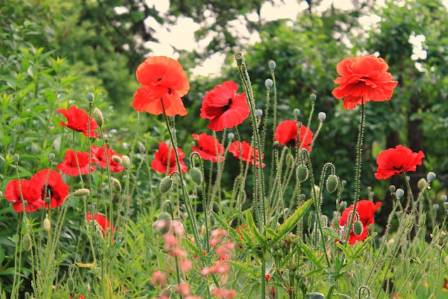
Establishing a meadow garden requires thoughtful planning and site preparation:
Site Selection: Choose areas with well-drained soil and adequate sunlight.
Soil Preparation: Reduce soil fertility to prevent aggressive grass growth that can outcompete wildflowers.
Plant Selection: Incorporate a mix of native grasses and wildflowers suited to your region.
Maintenance: Regular mowing after flowering helps manage growth and encourages reseeding.
Simply ceasing mowing will not naturally create a meadow garden. Deliberate planting and management are essential to achieve the desired ecological balance.
Benefits of Meadow Gardens
Biodiversity Support: Provide habitats for pollinators, birds, and other wildlife.
Aesthetic Appeal: Offer dynamic, ever-changing landscapes that evolve with the seasons.
Environmental Impact: Reduce the need for chemical fertilizers and pesticides, promoting a healthier environment.
Water Conservation: Deep-rooted plants improve water infiltration and reduce runoff.
Nearby projects

· en
15 Amazing Penguin Facts You Need to Know
Elena Rodriguez

· en
Explore the World’s Most Stunning Prairies
Luca Frost

· en
This Italian Motorcycle Brand Just Launched an All-New Trials Bike Lineup
Alva

· en
10 spots to marvel at Victoria Harbour
Darius Lennox

· en
A Step-by-Step Guide to Painting a Panda Bear
Victor Kane

· en
Where to Find the Most Breathtaking Snowy Mountain Landscapes
Darien Wilde