← Back to bench3 min build note
DIY note
15 Amazing Penguin Facts You Need to Know
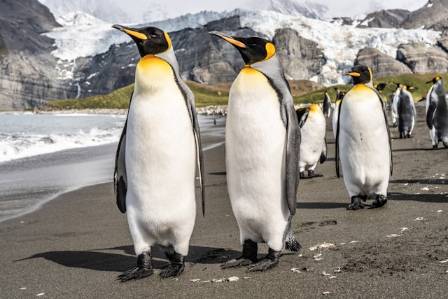
All 18 known penguin species are native to the Southern Hemisphere. While the Galapagos penguin occasionally crosses into northern waters, the emperor penguin remains a permanent resident of Antarctica, Earth’s coldest and most southern continent.
E
Elena Rodriguez
Maker
Bench tip
Read the full note below and keep tools nearby.
Shelf
Hobby build
Penguins Live Exclusively in the Southern Hemisphere
All 18 known penguin species are native to the Southern Hemisphere. While the Galapagos penguin occasionally crosses into northern waters, the emperor penguin remains a permanent resident of Antarctica, Earth’s coldest and most southern continent.
Their Size Varies Dramatically
The smallest penguin species, often called the little or fairy penguin, stands about 30 cm tall and weighs just over 1 kilogram. In contrast, the emperor penguin can reach heights of 1.3 meters and weigh up to 40 kilograms, especially at the start of breeding season.
Ancient Giants Once Existed
Fossil evidence indicates that prehistoric penguins grew to nearly 2 meters tall and weighed more than 100 kilograms. These giants roamed parts of Antarctica approximately 37 million years ago.
Ingenious Adaptations for Extreme Cold
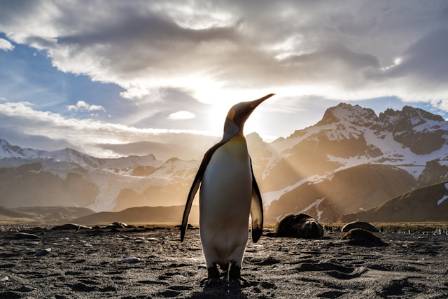
Penguins survive freezing temperatures through dense feather layers, body fat, and a special oil from the preen gland that waterproofs their plumage. Emperor penguins possess additional adaptations such as dual-layered feathers, insulated feet, and coordinated huddling behavior to endure Antarctic winters.
They Are Aquatic Aces
While flightless in air, penguins “fly” gracefully underwater. Gentoo penguins can reach speeds of 35 km/h, and emperors are endurance champions—capable of diving deeper than 500 meters and holding their breath for over 20 minutes.
Solid Bones Aid Diving
Unlike most birds with hollow bones for flight, penguins have solid, dense bones. This reduces buoyancy, allowing them to dive swiftly and stay submerged while hunting.
Groups Have Unique Names
A group of penguins swimming is a “raft,” while on land they form a “waddle.” Other terms include colony, rookery, and huddle.
Many Mate for Life
Several species, including gentoo and rockhopper penguins, often form lifelong pairs. Adelie penguins return to the same nesting site and partner each year, and emperor penguins recognize their mates by unique vocal calls.
Surprisingly Skilled Walkers
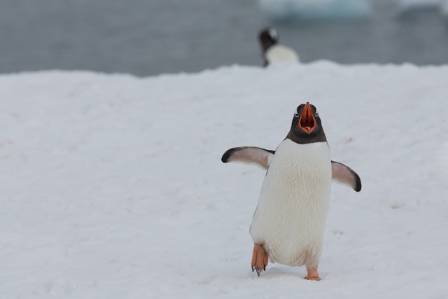
Penguins can trek impressive distances over tough terrain. Emperor penguins may travel over 100 kilometers across ice, and Snares penguins regularly navigate a kilometer inland through forests to their colonies.
Their Closest Relatives Are Expert Flyers
Penguins are closely related to albatrosses and giant petrels—remarkable long-distance fliers. The wandering albatross, for example, can cover up to 800 kilometers in a single day.
The “Tuxedo” Is Practical Camouflage
Their black backs blend with the dark ocean depths when viewed from above, while white bellies match the bright surface from below—a survival strategy known as countershading.
Some Build Nests With Stones
Species like gentoo, Adelie, and chinstrap penguins collect pebbles to build elevated nests. Males often offer stones to females as part of courtship, and stealing nesting materials from neighbors is not uncommon.
Crested Penguins Sport Striking Plumes
Seven penguin species feature vivid yellow crests. Among them, the macaroni and rockhopper penguins are especially known for their bold, feathery “eyebrows.”
Fathers Play a Vital Role
Male penguins are dedicated parents. Emperor penguin fathers, in particular, endure the brutal Antarctic winter by balancing the egg on their feet and covering it with a warm brood pouch while females forage at sea.
Chicks Are Raised in Nurseries
Many penguin species form “creches”—groups of chicks guarded by a few adults. This allows parents to hunt while ensuring the young are protected from predators and harsh weather.
Nearby projects

· en
Things you probably didn’t know about Big Ben
Adrian Holloway

· en
Table Lamp Size Guide
Adam Rhodes
· en
Anxiety Grips a Remote Fishing Community Following a Sudden Industry Shutdown as Residents Face an Uncertain Future
Julian Foster
· en
Trucks vs Quads: Which is Better for Off-Roading?
Liam
· en
Best Seaside Paintings of Coastal Beauty
James Moore
· en
Parrots: The Intelligent and Colorful Birds of the World
Lucas Bennett