DIY note
The Ultimate Guide to Selecting the Perfect Men's Shirt
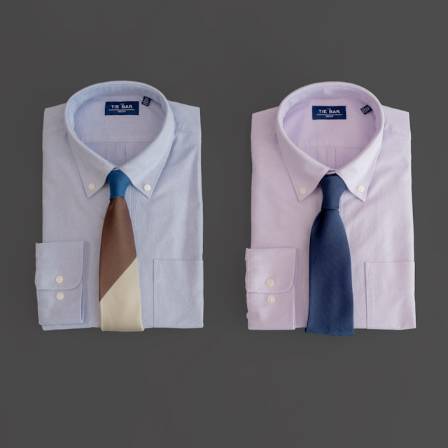
Choosing a high-quality dress shirt is a more nuanced task than it initially appears, whether you are shopping for your own wardrobe or selecting a gift for someone else. A well-chosen shirt is fundamental to a strong first impression, particularly during high-stakes moments like employment interviews or formal social gatherings. By investing time into evaluating the fabric, construction, and proportions of a garment, you can significantly enhance your overall presence.
Chloe Victoria Hayes
Maker
Bench tip
Read the full note below and keep tools nearby.
Shelf
Hobby build
Choosing a high-quality dress shirt is a more nuanced task than it initially appears, whether you are shopping for your own wardrobe or selecting a gift for someone else. A well-chosen shirt is fundamental to a strong first impression, particularly during high-stakes moments like employment interviews or formal social gatherings. By investing time into evaluating the fabric, construction, and proportions of a garment, you can significantly enhance your overall presence.
1. Matching Shirt Colors to the Environment
Color serves as a visual extension of a man's personality, but it must be synchronized with the specific setting. For informal or outdoor environments, such as a beach gathering or a casual date, lighter and more vibrant tones are appropriate as they reflect a relaxed energy. Conversely, professional and ceremonial events demand a more disciplined palette. Timeless shades like white, charcoal, navy, and deep black are the standard for the office, while richer tones like maroon or gold can be integrated for weddings depending on the wearer's style.
2. Choosing Versatile and Contextual Patterns
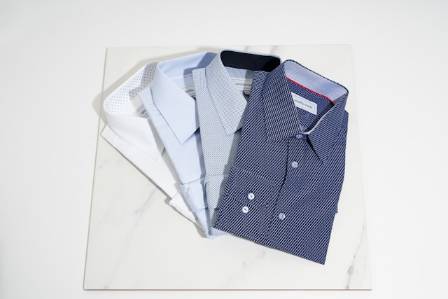
Patterns should be selected based on the level of formality required. Solid colors are the most versatile foundation for any wardrobe, as they transition seamlessly between various events and pair effortlessly with any patterned necktie. For casual or semi-formal scenarios, subtle pinstripes or thin vertical lines offer a sophisticated touch that remains appropriate for unexpected invitations or social mixers.
3. Selecting the Ideal Collar Style
The architecture of a collar can subtly alter the perception of your facial features. A cut-away collar is an excellent choice for those who want to highlight their necktie, as the wider spread allows the knot to stand out while framing the face prominently. A standard spread collar, which features a 90-degree downward point, is often preferred for public speaking or presentations. This style helps keep the audience's focus on the speaker's face and is particularly flattering for individuals with longer facial structures.
4. Prioritizing Seasonal and Functional Fabrics
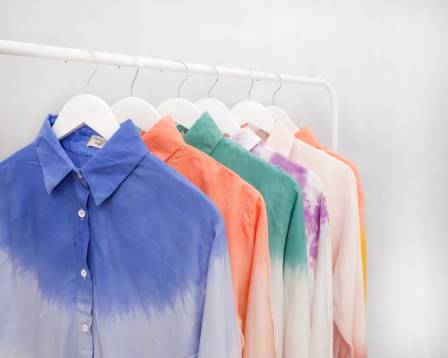
The choice of material should be a reflection of the climate and the occasion. Natural fibers like cotton and linen are highly recommended for formal or semi-formal events during the spring and summer due to their superior breathability. In contrast, fabrics like Tencel, especially when printed, offer a softer, more substantial texture that provides necessary warmth during the autumn and winter months while maintaining a casual aesthetic.
5. Evaluating the Quality of the Weave
The density of a shirt's weave determines its suitability for different environments. A simple way to test this is by holding the fabric against a light source. If the light filters through easily, much like a sieve, the shirt is designed for maximum airflow and is best suited for casual wear. A tighter, more opaque weave that blocks a significant amount of light indicates a denser fabric, which is the hallmark of a formal dress shirt.
6. Accounting for Material Sensitivities
Comfort is a primary component of style, making it essential to be aware of any fiber allergies. Some individuals may experience skin irritation from synthetic polyesters or specific silk treatments. It is prudent to review the garment's composition tag before purchasing. When in doubt, opting for 100% organic cotton from reputable brands with flexible exchange policies is the safest way to ensure long-term comfort.
7. Verifying Proportions Through Movement
Size charts vary significantly between manufacturers, so current measurements of your neck, sleeves, and waist are vital. When trying on a shirt, do not simply stand still; bend your elbows to ensure the sleeves do not retract too far up the arm, and raise your hands above your head to confirm the shirt stays tucked into your trousers. Keep in mind that pure cotton and linen may undergo slight shrinkage after the first few washes, so selecting a slightly roomier fit in these materials can be a wise strategic choice.
8. Inspecting Hardware and Durability
The quality of a shirt is often revealed in the details of its buttons. Ensure there are no gaps between the fasteners that might inadvertently expose the torso; a high-quality shirt typically maintains a gap of no more than four fingers between each button. Furthermore, for formal attire, avoid overly ornate or flashy buttons, as they can detract from the sophisticated minimalism of a well-tailored dress shirt.
Nearby projects

· en
The World’s Ten Tallest Peaks: A Journey to the Roof of the Earth
Julia Patterson

· en
The Great Historical Transformation and Unstoppable Economic Evolution of Singapore
Rosalie Whitaker

· en
Chibi-Robo: The Tiny Guardian of Happiness
Grayson Oliver Caldwell

· en
8 Refreshing Alternatives to Water for Ultimate Hydration
Zoey Harper

· en
Where to Find the Most Breathtaking Snowy Mountain Landscapes
Darien Wilde

· en
Brown Bears: Characteristics and Differences Across Regions
Nicholas Evans