
DIY note
Chibi-Robo: The Tiny Guardian of Happiness
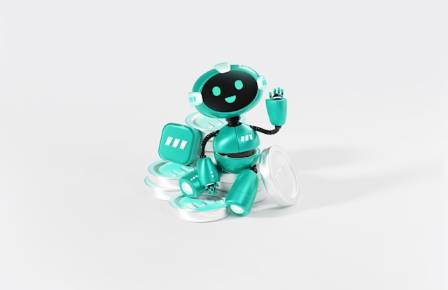
A Chibi-Robo is a specialized miniature robot manufactured by Citrusoft Robotics. Conceived by the visionary designer George Ebisu, these machines are programmed with a singular core objective: to spread joy among humans. Standing at a mere 10 centimeters tall and constructed from durable aluminum, Chibi-Robos operate on electrical energy measured in Watts. They are equipped with a signature Chibi-Plug, allowing them to draw power from any standard electrical outlet. To maintain their efficiency, most units are paired with a Chibi-House, which serves as a dedicated recharging station. Every Chibi-Robo is also assigned a robotic manager or assistant to provide guidance and support during their daily tasks.
Grayson Oliver Caldwell
Maker
Bench tip
Read the full note below and keep tools nearby.
Shelf
Hobby build
A Chibi-Robo is a specialized miniature robot manufactured by Citrusoft Robotics. Conceived by the visionary designer George Ebisu, these machines are programmed with a singular core objective: to spread joy among humans. Standing at a mere 10 centimeters tall and constructed from durable aluminum, Chibi-Robos operate on electrical energy measured in Watts. They are equipped with a signature Chibi-Plug, allowing them to draw power from any standard electrical outlet. To maintain their efficiency, most units are paired with a Chibi-House, which serves as a dedicated recharging station. Every Chibi-Robo is also assigned a robotic manager or assistant to provide guidance and support during their daily tasks.
The Evolution and Legacy of the Chibi-Robo Series
The history of these tiny automatons began as a response to the failure of their predecessors, the Giga-Robos. While the Giga-Robo models were massive and powerful, their extreme energy requirements led to a global power crisis, forcing Citrusoft to pivot. George Ebisu returned to the drawing board to create a more sustainable alternative. After five distinct prototypes, the final Chibi-Robo design was established, prioritizing energy conservation and domestic utility.
The initial production model was an instant commercial success, moving over one million units within its first six months on the market. These early versions were primarily focused on household maintenance and companionship. While they came equipped with a Chibi-Copter for mobility, owners could upgrade their units with accessories like the Chibi-Blaster or Chibi-Radar via online shops. These robots were managed by an assistant known as Telly Vision. During their peak popularity, units competed in a global "Chibi-Ranking" system, where the top-performing robot would be granted an upgrade to "Super Chibi-Robo" status.
One notable instance of this first-generation model belonged to the Sanderson family. Originally purchased as a birthday present for their daughter, Jenny, the robot quickly transitioned from a mere appliance to a vital family member. Beyond simple cleaning, this specific unit was instrumental in resolving the family's financial struggles, befriending household toys, and even preventing a domestic separation by repairing the parents' strained relationship. Through a unique encounter with extraterrestrial visitors, this unit eventually obtained an infinite battery capacity, bypassing the energy limitations that plagued other models.

Specialized Models and Environmental Initiatives
As global needs changed, Citrusoft developed specialized versions of the Chibi-Robo. The "Blooming" model was introduced to combat the worldwide disappearance of flora. These units were deployed to abandoned parks as part of a restoration project. Instead of standard cleaning tools, these robots utilized a Boom Box to stimulate plant growth through rhythm and dance. They were also equipped with Squirters for irrigation and miniature bicycles for navigating large outdoor spaces. Managed by an assistant named Chet, these robots transformed barren land into thriving green spaces by cultivating seeds and nurturing flower buds.
Subsequent iterations continued to refine the technology. The "NostalJunk" model, for example, featured subtle design changes such as smaller eyes, a more angular plug, and a thicker cord. This version was specifically programmed for preservation efforts, tasked with photographing and collecting historical artifacts for museum curators. Unlike earlier models that relied on a Chibi-House, this unit was highly mobile and could significantly expand its battery capacity through professional achievements, eventually reaching a self-sustaining state.
The most recent advancement in the lineage is an independent model capable of self-defense. This version utilizes its power cord as a versatile tool for navigation and protection. Breaking away from traditional domestic settings, this model resides in a space station and possesses a much higher base energy capacity of 999 Watts. It also features an updated communication interface, replacing traditional symbols with a more modern checkmark and cross system. This evolution reflects the transition of the Chibi-Robo from a simple household helper into a sophisticated, autonomous entity.
Nearby projects

· en
Five National Forests with Spectacular Beaches
Samuel Gray

· en
Effective Indoor Attire for Maintaining Body Heat
Alexander James Whitmore

· en
The Timeless Charm of Mountain Houses with Natural Stone
Cora Winslow

· en
The Secrets of How to Paint a Beach
Damien Ashford

· en
Plant Shoots: Meaning, Function, Pruning & Propagation
Orion Delacroix

· en
The World's Most Beautiful Coastal Cities
Elowen Blair