DIY note
The World’s Ten Tallest Peaks: A Journey to the Roof of the Earth
Mountains have always captivated human imagination with their towering heights and majestic presence. Among them, the highest peaks on our planet stand as extraordinary natural monuments that challenge explorers, climbers, and adventurers alike. These colossal summits are scattered mainly across the Himalayan and Karakoram ranges in Asia, offering breathtaking vistas and extreme conditions. This overview introduces the ten tallest mountains in the world, detailing their locations, unique characteristics, and significance.
Julia Patterson
Maker
Bench tip
Read the full note below and keep tools nearby.
Shelf
Hobby build
Mountains have always captivated human imagination with their towering heights and majestic presence. Among them, the highest peaks on our planet stand as extraordinary natural monuments that challenge explorers, climbers, and adventurers alike. These colossal summits are scattered mainly across the Himalayan and Karakoram ranges in Asia, offering breathtaking vistas and extreme conditions. This overview introduces the ten tallest mountains in the world, detailing their locations, unique characteristics, and significance.
Mount Everest: The Supreme Summit
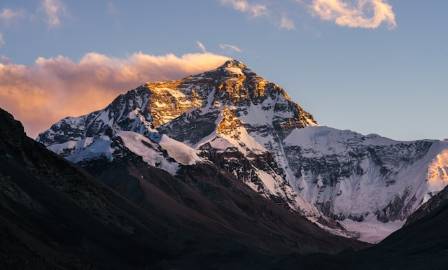
At an elevation of 8,848 meters (29,029 feet), Mount Everest reigns as the tallest mountain on Earth. Situated along the border between Nepal and the Tibet Autonomous Region of China, Everest is part of the Himalayas. Known locally as “Sagarmatha” in Nepali and “Chomolungma” in Tibetan, this peak has attracted climbers since the early 20th century. Despite its popularity, ascending Everest remains a formidable feat due to harsh weather, thin air, and avalanches. It symbolizes the ultimate human quest for conquering nature’s highest point.
K2: The Savage Mountain
The second highest peak, K2, reaches 8,611 meters (28,251 feet) and lies within the Karakoram range, straddling the border between Pakistan and China. Often called the “Savage Mountain,” K2 is infamous for its difficulty and dangerous climbing conditions. It features steep, icy slopes and frequent storms, which have claimed many lives over the years. Unlike Everest, K2 sees fewer climbers but is respected as one of the most challenging summits in mountaineering.
Kangchenjunga: The Five Treasures of Snow
Rising to 8,586 meters (28,169 feet), Kangchenjunga is the world’s third tallest mountain. Located on the boundary between Nepal and India, it is part of the eastern Himalayas. The name Kangchenjunga means “Five Treasures of Snow,” reflecting the five prominent peaks that make up the massif. It holds significant spiritual importance to local communities and is considered sacred. Kangchenjunga’s remote location and difficult access have preserved much of its natural beauty.
Lhotse: Everest’s Neighbor
Lhotse, standing at 8,516 meters (27,940 feet), is the fourth highest mountain globally and is directly connected to Mount Everest via the South Col. Located on the border of Nepal and Tibet, Lhotse shares much of Everest’s climbing route but is less frequently attempted. Its distinctive feature is its dramatic south face, one of the steepest mountain faces in the world. Lhotse’s proximity to Everest often makes it overshadowed, yet it remains a formidable peak in its own right.
Makalu: The Black Mountain
Makalu reaches an altitude of 8,485 meters (27,838 feet), ranking as the fifth tallest mountain on Earth. Situated southeast of Everest, on the border between Nepal and Tibet, Makalu is renowned for its pyramid-shaped peak with sharp ridges. The mountain is known for its technical difficulty and challenging weather conditions, making it a sought-after summit for experienced climbers. Its striking silhouette is visible from many parts of the region.
Cho Oyu: The Turquoise Goddess
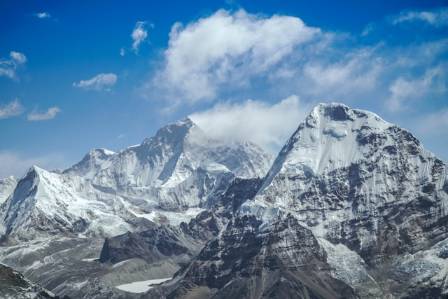
Standing at 8,188 meters (26,864 feet), Cho Oyu is the sixth highest peak in the world. It lies near Everest on the Nepal-Tibet border and is considered one of the more accessible 8,000-meter peaks due to its relatively gentle slopes. The name Cho Oyu translates to “Turquoise Goddess,” reflecting the mountain’s serene beauty. Cho Oyu is a popular choice for mountaineers aiming to summit their first 8,000-meter peak.
Dhaulagiri: The White Mountain
Dhaulagiri, meaning “White Mountain,” is the seventh tallest mountain, with an elevation of 8,167 meters (26,795 feet). It is located entirely in Nepal, west of the Annapurna range. Known for its massive, snow-covered dome, Dhaulagiri presents climbers with challenging weather and avalanche risks. The mountain’s remote location and harsh conditions have kept it relatively less crowded than Everest or Annapurna, attracting climbers seeking solitude and adventure.
Manaslu: The Mountain of the Spirit
Manaslu reaches 8,163 meters (26,781 feet), placing it eighth among the world’s tallest mountains. Situated in Nepal, Manaslu’s name translates to “Mountain of the Spirit,” derived from the Sanskrit word “manasa” meaning spirit or soul. Its impressive height and less commercialized climbing routes appeal to mountaineers looking for a more traditional Himalayan experience. The surrounding region is known for its rich cultural heritage and pristine natural environment.
Nanga Parbat: The Killer Mountain
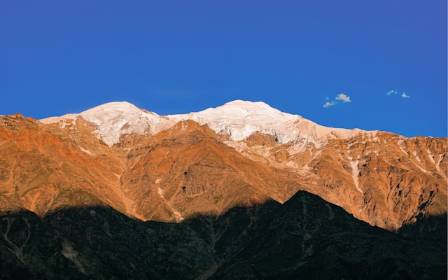
Nanga Parbat stands at 8,126 meters (26,660 feet) and is the ninth highest peak worldwide. It is located in Pakistan’s Gilgit-Baltistan region and is part of the western Himalayas. Nicknamed the “Killer Mountain” due to its treacherous conditions and high fatality rate, Nanga Parbat features dramatic vertical relief and difficult climbing routes. Its towering presence and rugged beauty make it one of the most awe-inspiring mountains on the planet.
Annapurna I: The Tenth Highest Peak
Completing the list, Annapurna I rises to 8,091 meters (26,545 feet) and is located in Nepal’s Annapurna massif. Known for its difficult climbing terrain and unpredictable weather, Annapurna I has one of the highest fatality rates among the 8,000-meter peaks. Despite this, it remains a highly respected mountain among climbers. The Annapurna region is also famous for trekking, offering some of the most stunning landscapes in the Himalayas.
Nearby projects
· en
Best Whale Paintings Inspired by the Ocean
Vivienne Hart

· en
The 6 Most Futuristic Cities Around the World
Thea Knox
· en
Best Time to See the Milky Way + 2025 Milky Way Chart
Nico

· en
Strategic Guide to Winter Fashion: Combining Warmth with Style
Lucas Donovan Pierce

· en
Fun Facts About Fishes!
Brandon Carter

· en
Amazing Nightstands That Always Work
Casey Vaughn