DIY note
Atlas Mountains Trekking Morocco: A Journey of Nature, Culture, and Altitude
Trekking the Atlas Mountains in Morocco is one of the most unforgettable ways to immerse yourself in the country’s soul—where dramatic landscapes, warm Berber hospitality, and crisp mountain air converge. This guide offers an authentic look at exploring the High Atlas on foot: from choosing the right route and what to expect, to preparation tips and the profound impact of this experience. Whether you seek adventure, cultural immersion, or natural beauty, this journey balances all three, promising memories that linger long after the hike ends.
Iris
Maker
Bench tip
Read the full note below and keep tools nearby.
Shelf
Hobby build
Trekking the Atlas Mountains in Morocco is one of the most unforgettable ways to immerse yourself in the country’s soul—where dramatic landscapes, warm Berber hospitality, and crisp mountain air converge. This guide offers an authentic look at exploring the High Atlas on foot: from choosing the right route and what to expect, to preparation tips and the profound impact of this experience. Whether you seek adventure, cultural immersion, or natural beauty, this journey balances all three, promising memories that linger long after the hike ends.
Why Trek the Atlas Mountains? The Call of the Peaks
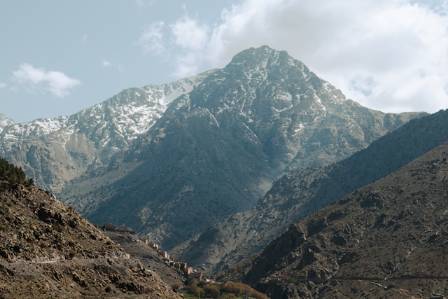
Trekking the Atlas Mountains is far more than a physical challenge—it’s a soulful escape from daily chaos. Stretching across much of Morocco, the range forms a striking divide between the lush Atlantic coast and the vast Sahara Desert, boasting some of North Africa’s most breathtaking scenery: steep valleys, snow-capped peaks, and ancient Berber villages that feel untouched by time. What draws travelers here is the balance of rugged nature and human warmth: you’ll pass terraced farms where donkeys carry fresh produce, sleep in cliffside village guesthouses, and hear the gentle rhythm of daily life echo through valleys. With a generous trekking season (spring to autumn, each offering unique charm), whether you opt for a short hike or a week-long adventure, there’s something humbling and rejuvenating about walking through a land that has remained largely unchanged for centuries.
Mount Toubkal: The Crown Jewel of the High Atlas
For many hikers, trekking Mount Toubkal is the highlight of their Moroccan journey—and for good reason. At 4,167 meters (13,671 feet), it’s North Africa’s highest peak; the climb is non-technical but demands stamina, respect for altitude, and a dash of courage, challenging your body while nourishing your spirit. Most treks begin in Imlil, a scenic village 90 minutes from Marrakech, with popular options including a 2-day summit attempt (Day 1: Imlil to Toubkal Refuge via Sidi Chamharouch; Day 2: Dawn summit push followed by descent to Imlil) or longer routes through hidden valleys. The trails are rocky and exposed but well-trodden: mules carry heavy bags, local guides offer support and stories, and as the air thins, so does the weight of daily stress. Reaching the summit at sunrise, with panoramic views spanning the Toubkal range to the Sahara, is a moment few ever forget.
Beyond Toubkal: Diverse Routes for Every Traveler
Atlas Mountains trekking is as varied as the terrain itself, with options ranging from family-friendly valley walks to demanding multi-day crossings. While Toubkal steals the spotlight, lesser-known trails are hidden gems: the 3–5 day Azzaden Valley Trek winds through red-earth villages, walnut groves, and scenic passes with fewer crowds, letting you sleep in gîtes (village guesthouses) and share meals with local families. The Ourika Valley to Setti Fatma is a perfect day hike from Marrakech, featuring waterfalls, bustling souks, and picnic spots ideal for families. For experienced trekkers seeking solitude, the M’Goun Massif (7+ days) in the east offers stunning scenery with fewer visitors. Each High Atlas region has its own microclimate, culture, and landscapes, allowing you to tailor the trek to your goals—whether pushing your limits or taking it slow to soak in the atmosphere.
From Mountains to Marrakech: Two Worlds, One Journey
The transition from the Atlas Mountains to Marrakech is part of what makes this journey so rewarding. After days of trekking under open skies and starry nights, you descend into the city’s vibrant pulse: bustling souks, spicy aromas, and the rhythmic call to prayer. This sensory feast contrasts beautifully with the mountains’ quiet clarity. Many travelers spend their final days decompressing in a riad (traditional Moroccan guesthouse) in the medina—pampering tired legs in a hammam, shopping for Berber handicrafts, or reflecting on the trek with a glass of mint tea. This blend of extremes—solitude and community, nature and city—completes the Atlas trekking experience, offering a holistic taste of Morocco.
Tips for a Safe and Enriching Trek
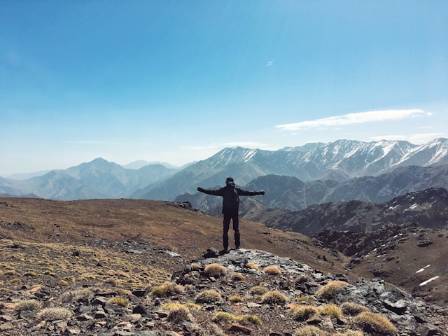
Hiking the Atlas Mountains can be safe, fun, and deeply meaningful with proper preparation. Pack wisely: sturdy hiking boots with ankle support, layered clothing for variable weather, sunscreen, a hat, sunglasses, water bottles or a hydration pack, a warm jacket (even summer nights are cold at altitude), trekking poles, a sleeping bag, and a headlamp. Travel smart by hiring a local guide—they provide navigation, cultural insights, and safety support—securing travel insurance (especially for high-altitude or remote treks), respecting local customs (dress modestly in villages, ask before taking photos), and following “Leave No Trace” principles to preserve the pristine environment. Guided tours often include accommodation, meals, and mules; solo treks are possible but best for experienced hikers with strong navigation skills.
Best Time to Go: Seasons and Weather in the High Atlas
Weather can make or break a high-altitude trek, so timing is key. The best months for Atlas trekking are spring (March–May), when wildflowers bloom, streams are full, and temperatures are ideal; summer (June–August), where high altitudes remain cool but lower valleys can be hot; and autumn (September–November), offering crisp air, dry weather, and golden landscapes. Winter (December–February) transforms trails into a snowy wonderland—beautiful but requiring crampons, an ice axe, and mountain experience. Always check the forecast for your specific route before departure, as local guides have the best knowledge of seasonal trail conditions.
A Trek for the Soul: Why the Atlas Mountains Linger
Trekking the Atlas Mountains is as emotional as it is physical. There’s a quiet calm that settles over you when walking through open spaces, with mountains ahead and earth beneath your boots—the steady, deliberate pace becomes meditative. Add the smiles of village children, the hospitality of mountain families, and the pride of climbing one of Africa’s great peaks or crossing a rarely visited valley, and something shifts within you. Toubkal and other Atlas routes don’t just take you to new places—they bring you back to yourself, fostering a deep connection with nature and culture that stays with you long after the hike.
Final Thoughts: The Atlas Mountains Await
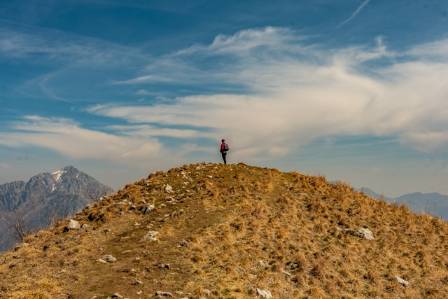
If you’re dreaming of wild landscapes, cultural depth, and the thrill of the unknown, trekking the Atlas Mountains is exactly what your spirit needs. From the mighty Mount Toubkal to quiet valley trails, the High Atlas offers something for every traveler—whether a weekend hike or a full expedition. Every step brings you closer to Morocco’s heart, and perhaps your own. So tie your boots, breathe deep, and step into a world where time slows down, mountains speak softly, and every path leads to something unforgettable.
Nearby projects

· en
8 Refreshing Alternatives to Water for Ultimate Hydration
Zoey Harper
· en
Shy but Striking: A Closer Look at the Elusive Bullfinch
Victor Lane

· en
Chibi-Robo: The Tiny Guardian of Happiness
Grayson Oliver Caldwell
· en
Top Beginner Skiing Tips
Eliza Carter
· en
Beijing CBD: The Brightest Diamond on the Third Ring Road
Sarah Mitchell

· en
Heavy Cream in Coffee: 3 Benefits & Recipes
Riley Harper