DIY note
Our Favorite Landline Phones Are Calling
My childhood ambition was to become a supermarket cashier. I was fascinated by the satisfying beep of the barcode scanner and the mechanical clicking sounds of the register buttons. Even now, certain sounds and textures still bring me comfort, just like they did when I was young. That may explain why I have always had a special fascination with old-fashioned landline phones.
Jasper Reed
Maker
Bench tip
Read the full note below and keep tools nearby.
Shelf
Hobby build
My childhood ambition was to become a supermarket cashier. I was fascinated by the satisfying beep of the barcode scanner and the mechanical clicking sounds of the register buttons. Even now, certain sounds and textures still bring me comfort, just like they did when I was young. That may explain why I have always had a special fascination with old-fashioned landline phones.
Before smartphones replaced nearly every traditional phone, landline telephones had their own unique personality. They featured real buttons that clicked and responded when pressed, smooth plastic surfaces that felt comfortable in your hand, and coiled cords that gave you something to play with during long conversations.
The Appeal of Retro Technology
I feel fortunate to have grown up during a time when technology was changing rapidly. I experienced life both before and after computers and mobile phones became common in every household.
I remember spending hours talking on the phone late at night, whispering to friends from beneath my blankets, sharing secrets with the receiver pressed against my ear. I flirted with crushes, argued with friends, and stayed on calls until my parents finally told me it was time to hang up. I even once called my grandmother while pretending to be a fictional character named Alice. Looking back, I was definitely an unusual child.
When mobile phones became popular, my relationship with phone calls changed completely. I went from enjoying hours of conversation to feeling reluctant about answering calls. Smartphones have made communication much easier, but I still miss the physical experience of holding a classic landline phone.
These vintage designs remain some of my favorite examples of technology that had personality and charm.
Clear Corded Phone
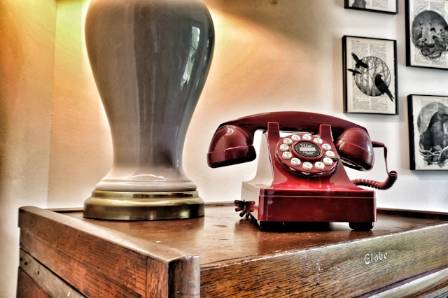
During the late 1990s, transparent versions of everyday products became extremely fashionable. You could find see-through versions of gaming devices, cameras, computers, and even inflatable furniture. However, few items represented that era as perfectly as the clear Conair telephone.
Interestingly, the original model was created by a hair-care company. The phone featured a chunky plastic design that revealed its colorful wires and internal components, making the technology inside part of the decoration itself.
This transparent phone became a recognizable piece of pop culture. It appeared in the opening episode of the second season of Pen15, set in the early 2000s, and was also featured in Netflix’s modern remake of The Baby-Sitters Club. Decades later, the clear phone still maintains its nostalgic appeal.
I sometimes search for vintage versions online and consider spending anywhere from $40 to $200 on a phone that I probably would never use for actual calls. Eventually, I close the page and continue enjoying the idea of owning one someday.
Rotary Phones
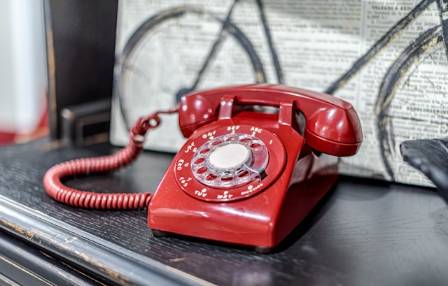
Using a rotary phone feels completely different from dialing on modern devices. It requires intention and patience rather than simply tapping numbers. These phones are usually large, heavy, and satisfying to hold, offering a sensory experience that modern cordless phones and office handsets cannot recreate.
The physical movement of turning the dial, the sound it makes as it returns, and the solid feeling of the device create a unique connection between the user and the technology.
Rotary phones eventually disappeared because push-button models were faster and more convenient. However, original rotary phones can still sometimes be found in older homes, especially mounted on basement walls.
They also have one practical advantage: traditional landline rotary phones can continue working during power outages, making them surprisingly useful in emergency situations.
Modern phones inspired by rotary designs are available today, but for anyone connecting a real landline or simply displaying one as decoration, an authentic vintage model offers the strongest sense of nostalgia.
Block Cordless Phone
The opening moments of the 1996 horror film Scream created one of the most memorable scenes in movie history. Drew Barrymore’s character Casey is home alone preparing to watch a scary movie when she receives a mysterious phone call. There is no caller ID, and the terrifying truth is that the person calling is much closer than expected.
Throughout the film, the telephone becomes almost like another character. Each time it rings, the suspense increases. The most unforgettable phone from the movie is the large white block-style cordless phone used by Casey in the opening scene.
The handset looks almost like a plastic-covered brick, complete with a long white antenna extending from the top. It is large enough to be used as a weapon, and Casey even attempts to defend herself with it.
As she runs from danger, Casey keeps holding onto the phone like a source of comfort and connection to help. The device becomes especially important when her parents finally return home and hear her struggling through the phone she is still holding.
This style of cordless phone was very typical of the era, similar to other large wireless models from companies like Sony. Regardless of the brand, one thing is clear: a small modern smartphone would never have survived the dramatic treatment this classic handset endured.
Nearby projects

· en
How to Buy a Supercar: From Budget to Ownership
Aurelia Vance

· en
10 Fascinating Facts About the Golden Gate Bridge
Jim

· en
How and Why to Take Up Winter Hiking
Matthew Clarke

· en
A Guide to America’s Best Beaches
Matthew Sterling

· en
How to Grow and Care for a Monstera Houseplant
Liora Sage

· en
Beijing’s giant bird’s nest
Callum Rhodes