DIY note
The Tale of the Snake Plant
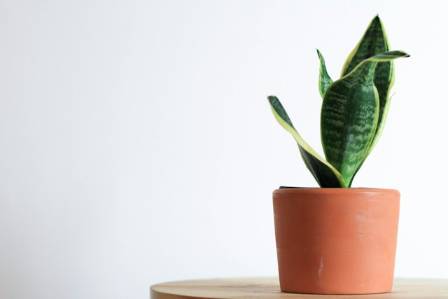
The Snake Plant, scientifically called Dracaena trifasciata and formerly classified as Sansevieria trifasciata, is one of the most widely recognized houseplants. It is appreciated for its exceptional toughness, distinctive upright shape, and simple care requirements. It is also commonly known as Mother-in-Law’s Tongue and Saint George’s Sword. Behind its familiar appearance is a long and interesting history that stretches from its African origins to its position as a favorite indoor plant around the world.
Maelin Frost
Maker
Bench tip
Read the full note below and keep tools nearby.
Shelf
Hobby build
The Snake Plant, scientifically called Dracaena trifasciata and formerly classified as Sansevieria trifasciata, is one of the most widely recognized houseplants. It is appreciated for its exceptional toughness, distinctive upright shape, and simple care requirements. It is also commonly known as Mother-in-Law’s Tongue and Saint George’s Sword. Behind its familiar appearance is a long and interesting history that stretches from its African origins to its position as a favorite indoor plant around the world.
A Plant with Many Names
The Snake Plant has experienced several taxonomic changes throughout its history. In 1753, Swedish botanist Carl Linnaeus originally classified the plant with Aloe. In 1794, Linnaeus’ student Carl Peter Thunberg established the genus Sansevieria, naming it in honor of Italian scientist and inventor Raimondo di Sangro.
Much later, modern genetic research changed the plant's classification once again. In 2017, genome sequencing conducted using material from the DNA Bank at Kew Botanic Gardens placed the Snake Plant within the Dracaena genus, which is now considered its correct classification.
African Origins and Traditional Uses
Dracaena trifasciata originates in Africa, particularly across tropical and subtropical regions that include parts of Nigeria, Congo, and Madagascar. In its natural environment, it commonly grows in dry, rocky locations where both water and light may be limited.
Its remarkable ability to tolerate drought and relatively low light has played a major role in its success as an indoor plant. These same characteristics have also made the species useful to people in its native regions. In some African communities, the tough fibers obtained from the plant are processed into ropes, yarn, and other textile materials.
The Snake Plant has also carried symbolic meanings in different cultures. In many parts of the world, it has been associated with protection and strength. In Nigeria, the plant's tall, sword-shaped leaves were traditionally believed to possess protective qualities and were used in rituals intended to ward off the evil eye.
In Brazil, Snake Plants are sometimes cultivated near entrances as a way of protecting the home. In Korea, a potted Snake Plant is a familiar gift for business-opening ceremonies.
The plant has also appeared in traditional herbal practices. In certain parts of Africa and Asia, its leaves have been used in remedies for conditions including ear infections and swelling. Although Snake Plants are not widely used as medicinal plants today, their historical connections with traditional medicine, fiber production, cultural practices, and ideas of resilience remain important parts of their story.
The Snake Plant Reaches Europe
The plant's movement from Africa to other parts of the world accelerated during the 18th and 19th centuries. European colonial expansion encouraged the exchange and transportation of plants between different continents.
After the Snake Plant was introduced to Europe, botanists and horticulturists quickly developed an interest in it. Its ability to survive indoors, together with its distinctive variegated foliage, made it an attractive choice for private homes as well as botanical collections.
By the middle of the 19th century, Snake Plants had become established in Europe, and their popularity gradually extended to the United States. During the 20th century, they became a familiar feature of American homes and offices, where their attractive appearance and minimal maintenance requirements made them especially useful as decorative plants.
The plant even appears on the porch in Grant Wood's famous 1930 painting American Gothic, providing an interesting connection between the Snake Plant and American cultural history.
NASA and the Clean Air Study
Another important moment in the Snake Plant's modern history came with NASA's Clean Air Study in 1989. This series of scientific investigations examined whether certain indoor plants could help remove potentially harmful chemicals from the surrounding air. The Snake Plant was among the plants highlighted for its ability to filter certain substances.
However, the NASA research was not designed to determine how indoor plants would affect air quality inside an ordinary, normally sized home. Later studies also demonstrated that Snake Plants can carry out photosynthesis at night, a characteristic that differs from most plants, which primarily perform photosynthesis during daylight hours.
Because Snake Plants can absorb CO2 at night, they became particularly popular as bedroom plants. These findings have often been simplified or misinterpreted as proof that Snake Plants can meaningfully purify the air inside a typical home.
In reality, the number of plants required to produce noticeable air-cleaning effects would be impractical. A mid-sized home would need well over 600 plants to experience appreciable benefits under the conditions described by such research. Although the studies did not represent normal household circumstances, they nevertheless helped increase public interest in Snake Plants.
A Modern Houseplant Favorite
Snake Plants remain extremely popular with indoor gardeners around the world. Much of their appeal comes from their ability to tolerate neglect. They need relatively little water, generally do not require frequent repotting, and can survive in comparatively low-light environments.
These qualities allow them to adapt to many different indoor settings. They can grow successfully in apartments, offices, and homes where natural sunlight is limited. Their architectural form has also made them a popular element of contemporary interior design.
Snake Plants are frequently incorporated into minimalist interiors, industrial-style spaces, modern cafes, and restaurants. Their upright leaves can add structure and visual interest without requiring extensive maintenance.
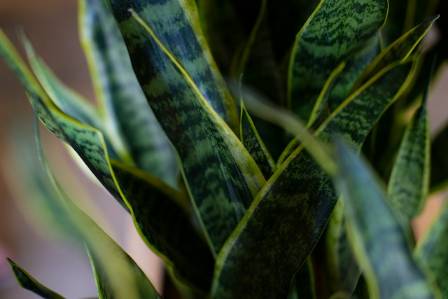
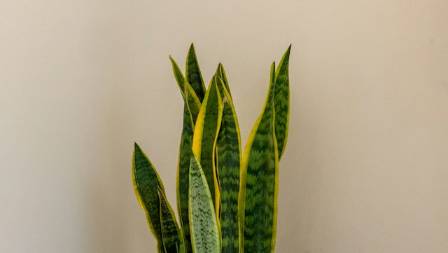
Over time, horticulturists have also developed numerous cultivars with differences in leaf color, markings, and shape. Alongside the familiar green leaves edged with yellow, newer varieties display more dramatic patterns and distinctive foliage forms.
A Plant Defined by Resilience
From its beginnings in the dry regions of Africa to its widespread presence in homes and workplaces around the world, the Snake Plant has built a remarkable horticultural history. Its ability to endure difficult conditions, adapt to indoor environments, and maintain an attractive appearance has helped it remain popular for generations.
The plant's associations with strength and protection have further enhanced its cultural appeal. Today, the Snake Plant continues to be a dependable and attractive companion in homes and offices.
If you have never added a Snake Plant, also known as Mother-in-Law’s Tongue, to your indoor collection, its reputation for toughness and beauty makes it an easy plant to consider. And if someone takes offense at the name, you can always point out that such an exceptionally resilient plant deserves a little appreciation.
Nearby projects

· en
Pastoral chic: dressing for the summer you want
Florence Waverly

· en
10 Fun Facts About Parrots
Lucas Bennett

· en
Fantastic Reasons to Visit Gardens By The Bay
Amara Fairmont

· en
The World's 5 Wealthiest Cricket Boards
Julia

· en
A Five-Step Methodology for Painting Animals and Beyond
Isabella Morgan Pierce

· en
Common Kingfisher
Lily Monroe