DIY note
The Formidable World of the Jaguar
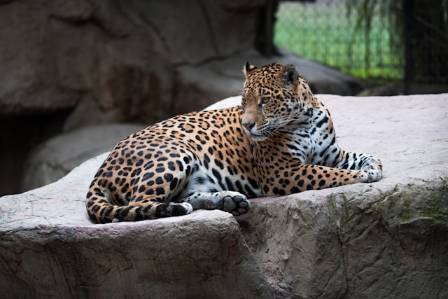
Jaguars are iconic predators recognized by their striking golden coats and complex spotted patterns. As the largest feline species in the Western Hemisphere and the sole representative of the Panthera genus in the Americas, they hold a unique biological position. Currently categorized as "Near Threatened" by the IUCN, these cats primarily inhabit the dense forests of South and Central America.
Brianna Foster
Maker
Bench tip
Read the full note below and keep tools nearby.
Shelf
Hobby build
Jaguars are iconic predators recognized by their striking golden coats and complex spotted patterns. As the largest feline species in the Western Hemisphere and the sole representative of the Panthera genus in the Americas, they hold a unique biological position. Currently categorized as "Near Threatened" by the IUCN, these cats primarily inhabit the dense forests of South and Central America.
Historically, jaguars roamed as far north as the American Southwest and as far south as Argentina. However, due to the persistent threats of habitat destruction and human encroachment, they have lost nearly half of their ancestral territory. Today, the majority of the world's jaguars are concentrated within the Amazon basin, though their numbers continue to dwindle.
Exceptional Physical Traits and Capabilities
One of the most remarkable features of the jaguar is its bite force. When adjusted for body size, jaguars possess the most powerful bite of any big cat. Their robust skulls and massive jaw muscles allow them to exert enough pressure to pierce through the thick hides of caimans or even the bone of a turtle’s shell. This physical power is matched by their affinity for the water; unlike most felines, jaguars are excellent swimmers and often center their territories around rivers and wetlands.
Furthermore, jaguars are equipped with specialized tongues covered in sharp, spiky structures called papillae. These help the cats rasp meat from the bones of their prey and are essential for grooming. In terms of vocalization, jaguars possess an elastic ligament in their throats that allows them to roar. While they lack the ability to purr like domestic cats, they use a series of guttural calls to communicate with potential mates.
Social Behavior and Territorial Life
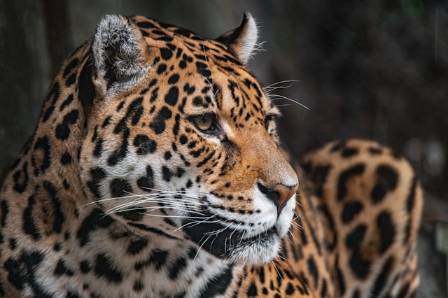
Jaguars are notoriously solitary animals. Except during mating periods or when a mother is raising her cubs, they live and hunt alone. Males typically command territories twice the size of those held by females, often spanning 100 square kilometers. They protect these regions through scent marking, tree scratching, and vocal warnings. Young jaguars stay with their mothers for about two years before venturing out to establish their own independent ranges.
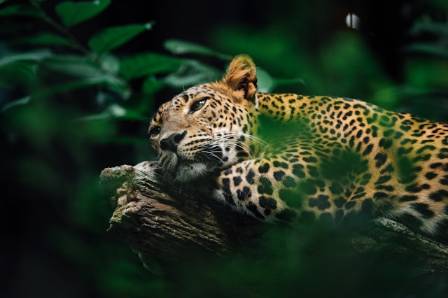
Because they are both diurnal and nocturnal, jaguars are active at various times of the day and night. Their exceptional night vision and camouflaged coats—which feature "rosettes" with smaller spots inside—allow them to remain nearly invisible in the dappled light of the rainforest. This camouflage is so effective that jaguars are frequently confused with leopards, though the latter lack the internal spots within their rosettes and are found only in Africa and Asia.
Dietary Habits and the Black Jaguar
As opportunistic hunters, jaguars are not picky eaters. They prey on over 80 different species, including deer, capybaras, birds, and fish. They are known to be ground hunters but are also capable of leaping from trees to surprise their targets. To conserve energy, they often tackle larger prey that can provide several days' worth of food.
Interestingly, about 10% of the population displays a condition known as melanism, resulting in black coats. These "black panthers" (a term that also applies to black leopards) still possess spots, though they are only visible under specific lighting. Research suggests that melanistic jaguars may have a camouflage advantage in particularly dense, dark forests, and they have been observed to be more active during periods of bright moonlight.
Cultural Significance and Conservation Needs
For millennia, the jaguar has been a figure of awe and power in indigenous cultures across the Americas. The name itself is derived from the indigenous word "yaguara," which describes a beast capable of killing its prey in a single leap. From the Tupi-Guarani people to the ancient Pueblo tribes of the American Southwest, the jaguar is a recurring symbol in myth and legend.
Protecting this species requires urgent action to preserve what remains of their habitat. Conservationists emphasize the importance of anti-poaching laws and the protection of the Amazon rainforest. Supporting sustainable wood products and contributing to global wildlife organizations are practical ways for individuals to assist in ensuring that the roar of the jaguar continues to echo through the forests of the Americas.