
DIY note
The Most Important Year: Raising a Dachshund Puppy
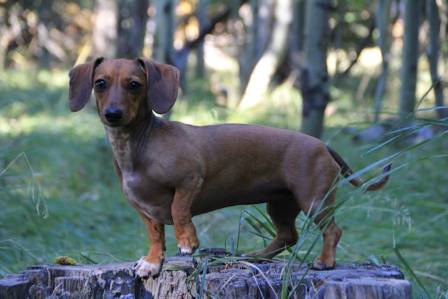
Raising a Dachshund puppy is a rewarding journey filled with growth, milestones, and lots of wagging tails. This guide lays out a practical month-by-month path through the first year, focusing on training, socialization, health, and daily care to help your new friend thrive.
Jessica Miller
Maker
Bench tip
Read the full note below and keep tools nearby.
Shelf
Hobby build
Introduction
Raising a Dachshund puppy is a rewarding journey filled with growth, milestones, and lots of wagging tails. This guide lays out a practical month-by-month path through the first year, focusing on training, socialization, health, and daily care to help your new friend thrive.
Birth to 3 Months
- Newborn to 4 weeks: Puppies depend entirely on their dam for warmth, nutrition, and basic needs. They sleep and feed the bulk of the day.
- 4 weeks: Independence begins to grow. It’s time to introduce solid foods while they continue nursing. Senses are developing, and interaction with littermates and surroundings increases.
- 8 weeks: The Dachshund appearance starts to show, and curiosity and playfulness peak. This is a common adoption age, so bonding and gentle handling are important.
3 to 6 Months
- 12 weeks: The puppy begins to slim down from the “baby fat” as the body takes on a more Dachshund-like shape. Socialization and foundational training are critical. A vaccine schedule should be underway.
- 6 months: A transition into adolescence begins. Some independence and stubbornness can appear—typical for the breed. Discuss spaying or neutering with your veterinarian, considering timing based on your puppy’s development.
6 to 12 Months
- 7 months: The puppy starts resembling an adult in appearance. Continue training and establish a reliable routine to support behavioral development.
- 8 months: Energy remains high; consistency in training and boundary-setting is essential.
- 9 months: Energy may dip slightly as routines settle in. Your puppy should feel comfortable with daily expectations.
- 10 months: Growth slows; reinforce training and help your Dachshund adapt to different environments and situations.
- 11 months: Nearly an adult in size. Refine training and transition to adult dog food as needed. Tailored, regular exercise is important for their short legs.
- 1 year: Adult status reached. They may fill out a bit more; maintain regular health check-ups and a balanced diet.
Training and Socialization
- Early Training: Begin with basic commands and gradually increase complexity. Use positive reinforcement; avoid punishment-based methods.
- Socialization: Expose your puppy to a variety of people, environments, sounds, and other animals. Positive experiences are crucial for a well-adjusted adult dog.
- Potty Training: Set a routine, take frequent bathroom breaks outside, and reward successes. Expect bladder control to strengthen around 6 months.
- Crate Training: Introduce the crate as a positive, safe space. This aids house training and provides a secure spot when you’re away.
Health and Care
- Spinal Health: Dachshunds’ long backs make them prone to spinal issues. Prevent jumps from heights and promote safe play.
- Vaccinations and Microchipping: Follow your veterinarian’s vaccination schedule and ensure your puppy is microchipped.
- Diet Transition: Move from puppy to adult food between 9–12 months, choosing a formula that meets their nutritional needs.
- Dental Health and Teething: Provide sturdy chew toys to ease teething discomfort; start a dental routine to prevent issues later.
- Regular Veterinary Visits: Schedule routine check-ups to monitor growth, weight, and overall health.
Conclusion

Patience, consistency, and positive reinforcement are the foundations of a happy, healthy Dachshund. Each puppy is unique—adjust this guidance to fit your dog’s personality, health needs, and pace of development.
Nearby projects

· en
Ways to Create the Perfect Home Dining Area
Owen Sinclair

· en
10 Best Cozy Lighting Ideas to Warm Up Any Space
Eden

· en
Why Is the Pyramid of Kukulcan So Famous?
Mason Ellis
· en
The Snake Plant: A Complete Guide to Sansevieria Care and Cultivation
Madison King
· en
Moon Exploration
Adam Brooks

· en
The World's Most Beautiful Coastal Cities
Elowen Blair