DIY note
Best Whale Paintings Inspired by the Ocean
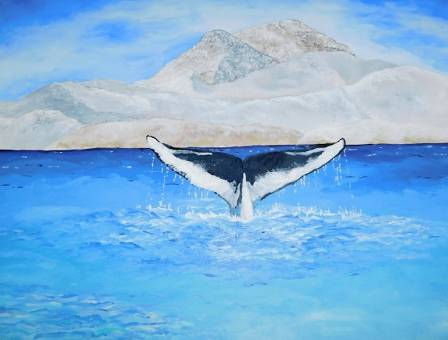
Immerse yourself in the captivating realm of ocean-inspired artwork with this detailed guide to some of the finest whale paintings available. These extraordinary marine creatures have long been admired for their elegance, strength, and mystery, inspiring artists across generations to depict them in visually stunning ways.
Vivienne Hart
Maker
Bench tip
Read the full note below and keep tools nearby.
Shelf
Hobby build
Immerse yourself in the captivating realm of ocean-inspired artwork with this detailed guide to some of the finest whale paintings available. These extraordinary marine creatures have long been admired for their elegance, strength, and mystery, inspiring artists across generations to depict them in visually stunning ways.
Whether you are an experienced collector or simply looking to introduce a touch of ocean beauty into your living space, whale-themed art can become a powerful visual centerpiece and a meaningful conversation piece. From dramatic scenes of humpback whales breaching the surface to peaceful underwater compositions, this guide will help you explore a wide variety of artistic interpretations.
In the following sections, we will highlight several remarkable whale paintings and also share practical advice on choosing the right artwork for your home. The curated selections showcase different artistic approaches, including realistic depictions, abstract interpretations, and expressive modern styles—helping you find a piece that aligns with your personal taste. Discover how whale-inspired art can elevate your interior design while celebrating the wonder of marine life.
Overview of Whale Paintings
Whales have fascinated people for centuries, often representing the vastness, mystery, and power of the ocean. These majestic animals have inspired countless artistic works that range from classical seascapes to modern mixed-media creations. Many of these pieces reflect not only visual beauty but also deeper ideas such as environmental awareness, ecological balance, and humanity’s connection with the sea.
In visual art, whales are commonly portrayed in dramatic marine environments that highlight their scale and elegance. The most compelling works often emphasize the contrast between the immense ocean and the graceful movement of these giants. Artists use color, texture, and composition to represent water depth, light reflection, and the distinctive forms of whales, creating pieces that are both visually striking and emotionally engaging.
Beyond aesthetics, whales often symbolize wisdom, emotional depth, and communication. In many cultures, they are seen as spiritual or mythological beings, and artists frequently incorporate storytelling elements or symbolic meaning into their depictions. This adds cultural richness and interpretive depth to whale-themed artwork.
With growing awareness of ocean conservation, whale art has taken on even greater significance. Many contemporary pieces are created not just to admire these animals but also to highlight the urgency of protecting marine ecosystems. Through powerful imagery, artists encourage viewers to reflect on environmental responsibility and the fragility of ocean life.
Featured Whale Paintings
1. Ocean Majesty by Robert Wyland
Ocean Majesty presents a vivid portrayal of whales within their natural ocean environment. Robert Wyland uses dynamic color transitions and fluid brushwork to capture light dancing across the water’s surface, creating a calm yet powerful marine atmosphere. The movement of the whales is expressed through soft, sweeping strokes that convey both grace and strength.
Beyond its visual appeal, the piece also reflects a strong conservation message. Wyland is widely recognized for his dedication to marine protection, and this painting continues that mission. Displaying this work not only enhances interior decor but also serves as a reminder of the importance of safeguarding ocean ecosystems.
2. Beneath the Waves by Marjolein Bastin
Beneath the Waves depicts a peaceful underwater world where whales move gently among colorful sea life. Marjolein Bastin combines realistic detail with a slightly whimsical artistic touch, giving the scene a soft, dreamlike quality. Pastel tones and delicate shading create a calming visual experience.
This artwork goes beyond decoration, offering a narrative of balance within marine ecosystems. The intricate composition draws viewers into an immersive underwater setting, encouraging appreciation for the harmony of ocean life and the creatures that inhabit it.
3. The Call of the Deep by Thomas Kinkade
In The Call of the Deep, a majestic humpback whale emerges from the ocean against a glowing sunset sky. Thomas Kinkade’s signature use of light enhances the warmth and emotional tone of the scene, producing a serene and uplifting atmosphere.
The painting evokes feelings of wonder and peace, emphasizing the grandeur of whales and their role in the natural world. It serves both as a decorative piece and a symbolic reminder of nature’s beauty and fragility.
4. Whales and Waves by Chris Cummings
Whales and Waves captures the energetic motion of whales navigating turbulent seas. Chris Cummings uses bold composition and detailed textures to emphasize the interaction between marine life and ocean currents. The swirling waves add movement and intensity to the scene.
The artwork highlights the relationship between whales and their environment, showcasing the ocean’s power and complexity. Its dynamic energy makes it a striking visual feature that can inspire conversation about marine conservation.
5. Graceful Giants by Anne Stokes
Graceful Giants presents a fantastical interpretation of whales gliding through an imaginative underwater world. Anne Stokes blends realism with fantasy elements, creating a magical atmosphere filled with vibrant coral formations and luminous tones.
The piece encourages storytelling and imagination, allowing viewers to interpret the underwater world in their own way. It is especially appealing to those who enjoy fantasy-inspired art combined with natural themes.
Why People Choose Whale Paintings
Whale-themed art has gained popularity not only for its aesthetic appeal but also for its emotional and symbolic significance. Many people are drawn to these works because they reflect a deep connection to nature and a desire to support environmental awareness. The presence of whale imagery can transform a space into something more reflective and meaningful.
These paintings also create a calming atmosphere. The flowing movement of whales and the soothing tones of ocean scenes can bring a sense of relaxation to interiors, making them ideal for homes, offices, or meditation spaces.
In addition, whale art often inspires interest in conservation. Viewers may feel encouraged to engage in environmental efforts such as supporting marine protection organizations or participating in ecological initiatives. Art becomes a bridge between beauty and awareness.
Collectors are also attracted to the diversity of styles available—from realistic depictions to abstract interpretations—allowing for a wide range of personal expression and artistic exploration.
History and Importance of Whales in Art
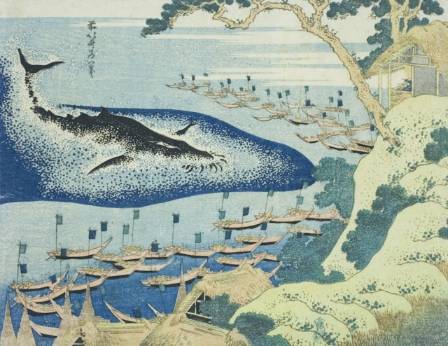
Whales have appeared in artistic traditions for centuries, often symbolizing strength, mystery, and the unknown depths of the ocean. Early coastal cultures and seafaring communities frequently depicted whales in carvings, paintings, and decorative works as symbols of power and reverence.
During the 18th and 19th centuries, whale imagery became more widespread, especially during the height of the whaling era. Artists such as Winslow Homer and Albert Bierstadt portrayed whales in ways that reflected both their majesty and the human relationship with the sea, sometimes highlighting environmental tension.
In modern art, whales continue to carry strong symbolic meaning. Today, they are often used to represent environmental fragility and the urgent need for ocean conservation, giving them renewed relevance in contemporary visual culture.
Styles of Whale Paintings
Whale artwork appears in many different artistic styles. Realistic paintings focus on anatomical accuracy and natural detail, often inspired by observation or photography. These works are ideal for those who appreciate lifelike representations of marine life.
Abstract whale art, by contrast, uses shapes, colors, and expressive forms to evoke emotion rather than realism. These pieces allow for personal interpretation and often emphasize movement and atmosphere.
Mixed-media and digital works expand creative boundaries even further, combining materials or techniques such as collage, recycled elements, or digital illustration. These innovative approaches often carry strong environmental messages alongside artistic expression.
Emotional Meaning in Whale Art
Whales are frequently associated with emotional depth, freedom, and spiritual symbolism. Their immense size and graceful movement often inspire feelings of awe and reflection in viewers.
In many cultures, whales are seen as symbols of transformation, healing, and resilience. Artists use these associations to create works that encourage empathy and emotional connection, often inviting viewers to reflect on their own experiences.
At the same time, whale paintings can serve as commentary on modern issues such as climate change and ocean pollution, transforming art into a medium for awareness and advocacy.
Caring for Whale Paintings
Proper care is essential to preserve whale artwork over time. Paintings should be kept away from direct sunlight, excessive humidity, and extreme temperature changes, all of which can damage color and material quality.
Using UV-protective glass for framed works can help prevent fading. Regular gentle dusting with a soft cloth will also maintain appearance. Canvas pieces should be placed in stable environments to avoid moisture damage.
For restoration or deep cleaning, professional conservators should be consulted to avoid accidental damage. Proper maintenance ensures the longevity and beauty of the artwork.
Buying Guide for Whale Paintings
When selecting whale artwork, several factors should be considered.
Artistic style is important, as it determines the overall mood—whether realistic, abstract, or expressive. Size also matters, especially in relation to wall space and room layout.
Color palette plays a key role in visual harmony, influencing whether the piece stands out or blends with existing decor. The medium—oil, acrylic, watercolor, or print—affects texture, durability, and appearance.
The artist’s background can influence both value and uniqueness, while budget considerations help narrow down choices. Original works tend to be more expensive, while prints offer affordable alternatives.
By balancing these factors, buyers can find whale paintings that suit both aesthetic preferences and personal meaning.
Nearby projects

· en
The Tale of the Snake Plant
Maelin Frost
· en
Understanding Travel Anxiety: Navigating the Uncharted Territories of Anxiety
Thaddeus Orion

· en
Easy Ways to Enjoy This Traditional Matcha
Chloe Dawn

· en
Where to Find the Most Breathtaking Snowy Mountain Landscapes
Darien Wilde

· en
Top 10 Highest Peaks in the Alps
Marina Caldwell

· en
The World’s Ten Tallest Peaks: A Journey to the Roof of the Earth
Julia Patterson