
DIY note
Painting a Dolphin with Primary Colors
painting with acrylics is a great way to experiment with color blending, mixing, and creative ideas.
Elijah Carter
Maker
Bench tip
Read the full note below and keep tools nearby.
Shelf
Hobby build
painting with acrylics is a great way to experiment with color blending, mixing, and creative ideas.
this tutorial highlights how to paint a stunning dolphin using only primary colors, showing that even a simple palette can lead to impressive results when used correctly.
the video demonstration explains how to mix and layer colors to create depth and a more lifelike appearance.
the power of primary colors
red, yellow, and blue are the building blocks of all other colors. by learning how to combine them properly, artists can develop a wide range of tones without relying on extra paints.
this method not only encourages creativity but also helps improve understanding of color theory.
building a colorful dolphin scene
acrylic paint is versatile and dries quickly, making it perfect for layering and blending techniques.
the contrast between the cool shades of the dolphin and the warm tones of a sunset background creates a bold and eye-catching composition that feels alive.
mixing colors for realism
by blending primary colors, you can produce rich blues for the dolphin, darker shades for shadows, and warm golden tones for the sky and water. adjusting how strong or soft these colors appear adds depth and movement to the painting.
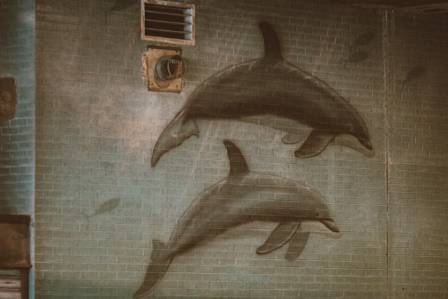
showing motion and energy
a leaping dolphin represents elegance and strength. using smooth color transitions, bright highlights, and touches of white paint helps create the effect of splashing water and movement.
enhancing the ocean’s glow
the water reflects the colors of the sky, so layering yellows, oranges, and blues helps create a more realistic and vibrant scene. careful blending keeps everything balanced between the background and the main subject.
layering and highlights for depth
acrylics work well when built up in layers, allowing for soft blends and crisp highlights. darker tones can be used for shadows, while lighter strokes bring out details and form.
highlights and shadows
adding white for bright highlights and mixing darker tones for shadows increases contrast and gives the dolphin a more three-dimensional look. the balance between light and dark helps define its shape and movement.
final thoughts
painting a dolphin with only primary colors is a fun and effective way to practice color mixing, layering, and composition.
the video tutorial walks through each step, making it suitable for beginners while still enjoyable for more experienced artists.
with the right techniques and attention to detail, you can create a vibrant painting full of life and motion.
whether you’re painting an ocean sunset or trying out new skills, this method shows just how much you can achieve with acrylics.
Nearby projects

· en
Catch the Wildflowers Bloom at These 10 Camping Destinations
Wren Parker

· en
Gorilla: The Largest of the Great Apes
Lily Brooks
· en
The Ultimate Guide to Choosing Silk Scarves for Women
Joshua Kelsy

· en
10 spots to marvel at Victoria Harbour
Darius Lennox

· en
Moose: The Largest Deer Species in the World
Olivia Carter
· en
Moon Exploration
Adam Brooks