← Back to bench2 min build note
DIY note
Grey Heron
Scientific name: Ardea cinerea.
M
Mia Thomas
Maker
Bench tip
Read the full note below and keep tools nearby.
Shelf
Hobby build
Key Facts & Identification
Scientific name: Ardea cinerea.
Family: Ardeidae (the heron family).
Size: About 84-102 cm in length; wingspan around 155-175 cm.
Weight: Typically 1.5-2 kg.
Appearance & Behavior
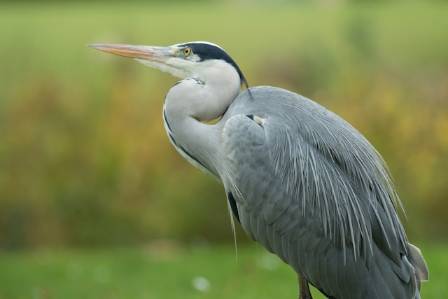
Grey Herons have long legs, a long “S-shaped” neck, and a straight, pointed yellow bill.
Plumage is mainly grey on back and wings; underparts are white. They often show white on their head and have black wispy crests.
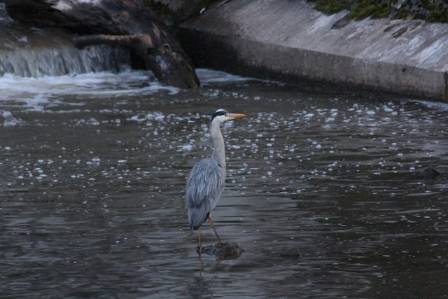
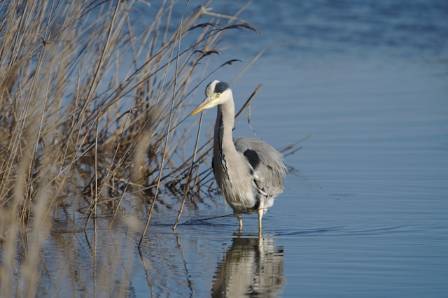
One of their signature behaviors is standing very still at water’s edge (canals, rivers, ponds), waiting patiently for fish or amphibians to come close. Then they strike with their bill.
Diet & Feeding
Primarily fish and amphibians. But they are opportunistic: they also eat small mammals (like rodents), reptiles, and sometimes birds or insect prey if available.
They hunt by stalking or standing motionless; sometimes in shallow water, other times from perches or banks.
Habitat & Distribution
Often seen around waterways: canals, rivers, ponds, lakes including freshwater and some brackish or muddy water bodies as long as there is a food supply.
Build nests in colonies (called heronries) usually in tall trees near water. Sometimes in bushes, reedbeds, or less commonly on cliffs if trees are unavailable. Nests contain 3-7 eggs.
Seasonality, Life & Observation
Breeding season starts early: males become territorial around February.
Nesting and hatching occur in early spring (March-April).
Life expectancy is around 5 years on average.
Ecological Role & Conservation
Herons are top predators in their food chain in waterways (they have no natural predators in the UK as adults).
Their presence is considered an indicator of healthy waterways: good fish stocks, good water quality, adequate habitat.
Threats include habitat loss, pollution (which affects water quality and prey abundance), disturbance of breeding sites.
Tips for Spotters
You’re most likely to see herons standing still along canal banks, river edges, or in shallows. Early morning or quieter parts of the day are often best.
Watch for their flight: they fly with neck retracted (pulled back) and legs stretched out behind. Their slow, deliberate wingbeats are distinctive.
In spring, seek out heronries (you may see many herons coming and going from nests at the tops of trees).
Use apps like “eNatureWatch” or report sightings to the Canal & River Trust—it helps conservation monitoring.
Nearby projects

· en
Discover the World’s Most Iconic Castles
Nathaniel Hayes

· en
The World’s Ten Tallest Peaks: A Journey to the Roof of the Earth
Julia Patterson

· en
How to Build the Perfect Tea Station
Nolan Carlisle
· en
Gorilla: The Largest of the Great Apes
Lily Brooks

· en
The Top 10 Humanoid Robots
Blake Armstrong

· en
The best viewing spot in one of the three cities with the most beautiful night views
Michael Williams