DIY note
Bryggen Bergen: A Journey Through Norway’s Hanseatic Heritage
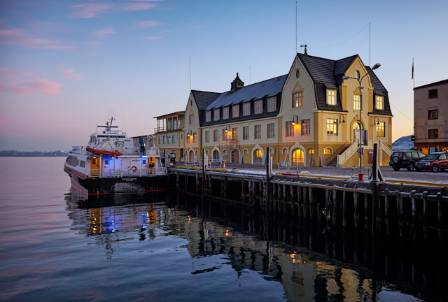
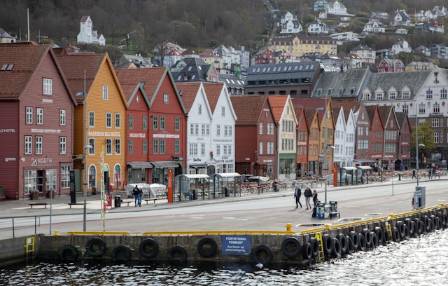
One of the most popular places to explore with a licensed guide and driver is Bergen, the historic city on Norway’s western coast. One of its most famous attractions is the Hanseatic Wharf, better known as Bryggen, which forms the heart of Bergen’s old town. This historic trading and fishing district is recognized as a UNESCO World Heritage Site and welcomes more than 500,000 visitors each year. Today, the area is filled with restaurants, stores, and a museum dedicated to the history of the Hanseatic League.
Eliana Vesper
Maker
Bench tip
Read the full note below and keep tools nearby.
Shelf
Hobby build
One of the most popular places to explore with a licensed guide and driver is Bergen, the historic city on Norway’s western coast. One of its most famous attractions is the Hanseatic Wharf, better known as Bryggen, which forms the heart of Bergen’s old town. This historic trading and fishing district is recognized as a UNESCO World Heritage Site and welcomes more than 500,000 visitors each year. Today, the area is filled with restaurants, stores, and a museum dedicated to the history of the Hanseatic League.
The Hanseatic League – Historical Background
During the Middle Ages, merchants traveling across Europe increasingly formed commercial guilds to obtain special privileges, negotiate lower or eliminated tolls and tariffs, and protect important trading routes. From around 1100 onward, German merchants became particularly influential and organized themselves into associations known as “Hanse” or “Hansa.”
Because of its strategic location with access to both the North Sea and the Baltic Sea, the German city of Lübeck developed into an important center of commerce. In 1227, it received the status of a free imperial city. Lübeck later formed an alliance with the trading cities of Hamburg and Cologne. Together, these cities negotiated an operating agreement with Henry III of England and established a Hanseatic settlement in London in 1282.
In 1356, the German trading cities formally established the Hanseatic League. The organization developed a more structured system and held regular meetings in Lübeck. At the height of its influence, the Hanseatic League included as many as 170 towns.
The Hanseatic Presence in Bergen
The Hanseatic League established a network of overseas trading stations known as Kontors in several important ports. Major examples included Novgorod in Russia, London in England, and Bruges in Flanders. These settlements functioned almost like foreign colonies, as German merchants lived there under special privileges, were largely exempt from local laws, and maintained limited interaction with the surrounding communities. Such arrangements could sometimes create friction with local populations.
A Hanseatic Kontor was established at Bryggen in Bergen in 1360.
The Hanseatic merchants and Bryggen played a crucial role in Norway’s dried-fish trade. Fish from northern Norway was transported to Bergen, where it was stored, assessed, and prepared for shipment to overseas markets. At the same time, Norway frequently experienced shortages of grain, so grain was brought in from other parts of Europe through the Hanseatic trading network.
As a result, Bryggen became a vital part of Norway’s economy, while the influence and wealth of the Hanseatic League continued to expand.
The Decline of the Hanseatic League
The power of the Hanseatic League began to weaken during the 16th century as centralized territorial states became increasingly dominant. At the same time, Italian trading centers in southern Europe and Dutch merchants in the north grew more influential.
The Hanseatic Kontor in Novgorod was closed by the Russian Tsar in 1494, while Queen Elizabeth I brought the London Kontor to an end in 1597. Over time, the center of Hanseatic influence shifted from Lübeck toward Gdansk, also known as Danzig, in Poland, where greater attention was placed on controlling the shipbuilding industry.
In Bergen, the local aristocrat Christoffer Valkendorf began limiting some of the privileges enjoyed by Hanseatic merchants in 1559. One of his significant demands was that the traders swear loyalty to the Norwegian King. When 59 German craftsmen refused, he expelled them from the city.
Despite these changes and increasing restrictions, the Hanseatic Kontor in Bergen continued operating until 1754.
Why Visit Bryggen?
Walking through Bryggen and its surrounding streets can feel remarkably similar to stepping into another period of history. The district has preserved many of its traditional features, including colorful wooden buildings, narrow passageways, and historic mansions.
More importantly, Bryggen still maintains something of the energy and character that once defined this busy trading port. The old buildings now contain local artisan businesses offering jewelry, woolen garments, hand-carved wooden pieces, and original watercolor artwork. Visitors can even find stores specializing in bags made from moose leather.
Bryggen is also close to Bergen’s famous Fish Market. Here, visitors can browse stalls selling fresh seafood as well as ready-to-eat fish dishes and snacks. The surrounding area also offers several excellent seafood restaurants.
For those with a sweet tooth, a visit to a local artisan bakery provides the opportunity to sample Norwegian treats such as Skoleboller, traditional custard-filled buns.
Bryggen Museum
In 1955, extensive archaeological work began in the Bryggen district. Excavations uncovered a remarkable collection of artifacts dating from the Middle Ages.
Many of these discoveries are now displayed at the Bryggen Museum. The collection provides valuable insight into everyday life in the historic Hanseatic trading community and allows visitors to better understand how people lived and worked in medieval Bergen.
How to Reach UNESCO World Heritage Bryggen in Bergen
Bergen is approximately 463 kilometers from Oslo, making the journey by road around seven hours. Travelers can also take a direct train from Oslo Central Station, with the journey taking roughly seven hours.
For those who prefer to fly, daily flights from Oslo Gardermoen to Bergen take approximately 50 minutes.
For visitors planning a trip to Bergen, a suitable itinerary can be arranged together with local partners. Licensed driver-guides can accompany travelers throughout the journey, providing informative and engaging commentary along the way.
Travel agencies and incoming tour operators organizing trips in Norway can also work with local partners to develop tailored itineraries designed to create memorable experiences for their guests.
Nearby projects

· en
10 Things You Didn’t Know About Kittens
Mia Thompson

· en
Best Single Chairs for Living Room
Chloe Dean

· en
Ten Fascinating Truths About Bottlenose Dolphins
Iris Juliette Lancaster

· en
Banana Dulce de Leche Cupcakes
Ella

· en
Top 10 Highest Peaks in the Alps
Marina Caldwell

· en
Style Relaxed Fit Jeans: Men’s Fashion Guide
Wren Gray