DIY note
Dragonflies Are Incredible Predators That Devour Hundreds of Thousands of Local Insects
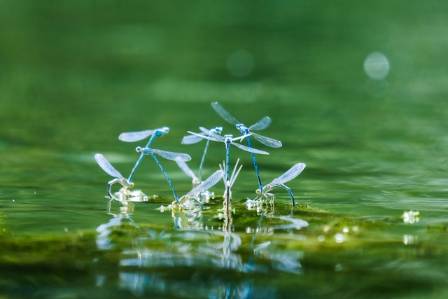
A groundbreaking study has revealed the true hunting power of small damselflies. These tiny predators catch and consume hundreds of thousands of insects during a single summer season. This massive feeding frenzy happens in the area surrounding just one pond. The total weight of the consumed prey adds up to just under one kilogram. Dragonflies primarily target various types of small midges. They also hunt down large quantities of other insects.
Bradley Thomas
Maker
Bench tip
Read the full note below and keep tools nearby.
Shelf
Hobby build
A groundbreaking study has revealed the true hunting power of small damselflies. These tiny predators catch and consume hundreds of thousands of insects during a single summer season. This massive feeding frenzy happens in the area surrounding just one pond. The total weight of the consumed prey adds up to just under one kilogram. Dragonflies primarily target various types of small midges. They also hunt down large quantities of other insects.
Scientists have debated for a long time about what keeps insect populations under control during the summer months. A clear answer has remained difficult to find for years. It is historically tough to monitor the exact numbers consumed by different insect predators. This new research finally sheds light on the massive role of highly abundant dragonflies.
These matchstick sized damselflies whiz around within very small territorial areas. They still manage to wipe out hundreds of thousands of bugs. The total number of prey insects hatching in the area is actually one hundred times larger than what the damselflies eat. However their consumption remains highly significant. Many other local predators are also hunting the exact same prey species at the same time.
Researchers obtained these incredible results by combining several distinct scientific methods. They analyzed the specific prey species and their relative quantities by examining insect DNA. They extracted this predator DNA directly from the fecal matter of the damselflies. This advanced genetic method is known as metabarcoding. The team also calculated precise population estimates for the local dragonflies.
The scientists investigated the total dragonfly numbers through a classic mark and recapture method. They marked the wings of the insects with a series of tiny numbers. Then they released them back into the wild and caught them again later. They estimated the total population by comparing the marked individuals against the unmarked ones. They also measured the total number of insects consumed by using tent like hatching traps. They covered specific zones and counted how many bugs accumulated over a set surface area.
Chironomids Rank As the Ultimate Favorite Food for Hungry Damselflies
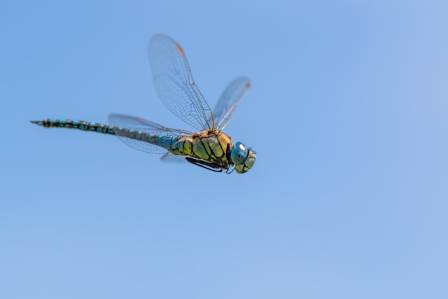
Dragonflies operate as the true apex predators of the entire insect world. They are responsible for regulating the population sizes of many other bug species. The insects consumed the most by the damselflies during this study were different types of chironomids. These insects are commonly known as non biting midges.
The intensive study took place across a specific twelve hectare zone. The total catch mass for the four chosen dragonfly species reached about nine hundred grams. This weight is equal to roughly seven hundred thousand medium sized midges. This amount represents about one percent of the total midge mass in that specific environment. This percentage is actually quite significant. Damselflies are definitely not the only creatures hunting these insects. The study zone hosts a massive number of other hungry predators. These include twenty other distinct species of dragonflies along with local birds and wild bats.
These impressive insects and effective hunting tactics have always fascinated human observers. Dragonflies currently face unique environmental risks because they serve as apex predators in delicate natural ecosystems. This particular research focused closely on four small but locally abundant damselfly species. These four belong to the sixty-two distinct dragonfly species found throughout Finland.
The specific creatures chosen for the study include the common blue damselfly and the northern damselfly. The researchers also monitored the Irish damselfly alongside the variable damselfly. All of these species proved to be highly efficient summer hunters.
Crucial Discoveries Regarding How Natural Food Webs Function
Understanding the inner workings of natural food webs is incredibly important today. This knowledge is vital because global biodiversity is currently diminishing at an accelerating rate. This study represents the first time experts examined hunting intensity in direct relation to the total population of available prey. The sudden collapse of insect populations severely reduces the amount of food available to dragonflies. Evaluating the true impacts of this predation was impossible without accurate information on food chains.
International researchers are highly excited about this new scientific approach and the interesting results. The research successfully reveals the overall impact of predation across the natural world by combining multiple methods. The team succeeded in exposing the wide range of insects targeted by dragonflies. They also demonstrated the massive significance of predation on individual prey species and the ecosystem community as a whole.
Nearby projects

· en
Minimalist Watches That Add A Touch Of Style
Riven Cole

· en
How Do Helicopters Achieve Flight?
Oliver Henry

· en
Golden Bridge, Vietnam: Complete Travel Guide
Benjamin Scott

· en
Globally Remarkable Scientific Research Facilities
Madeline Harrington
· en
Gray Wolf: The Largest Wild Member of the Dog Family
Jessica Coleman
· en
A Five-Step Methodology for Painting Animals and Beyond
Isabella Morgan Pierce