DIY note
The Timeless Charm of Mountain Houses with Natural Stone
Mountain homes, commonly referred to as chalets, represent a distinctive connection between architecture and the landscapes in which they are built. Often located at high elevations, these residences are designed to make the most of their dramatic surroundings through expansive windows and openings that bring panoramic views indoors. Natural finishes, earthy materials, and prominent fireplaces frequently define their interiors, creating inviting spaces that contrast with the rugged conditions outside.
Cora Winslow
Maker
Bench tip
Read the full note below and keep tools nearby.
Shelf
Hobby build
Mountain homes, commonly referred to as chalets, represent a distinctive connection between architecture and the landscapes in which they are built. Often located at high elevations, these residences are designed to make the most of their dramatic surroundings through expansive windows and openings that bring panoramic views indoors. Natural finishes, earthy materials, and prominent fireplaces frequently define their interiors, creating inviting spaces that contrast with the rugged conditions outside.
Architects carefully use materials such as natural stone to help these houses respond to the surrounding terrain and climate. Rather than appearing separate from their environment, many of these residences are shaped to follow the contours of the land. From the flowing forms inspired by the riverbanks around Des Forges Residence to the layered stone masses of Mountain House, each design demonstrates an appreciation for the textures, shapes, and character of the natural landscape.
Whidbey Island Farm Retreat
Natural stone plays both a practical and expressive role in many mountain residences. Its rough texture and enduring character bring a sense of rustic sophistication while also reflecting the architectural traditions of the surrounding region.
The Hushh House, for example, incorporates locally sourced sandstone together with existing historic stone walls. These elements form a secluded enclosed garden that recalls the craftsmanship and heritage of the site. Mountain Wood takes a different approach by combining Western Red Cedar, rough natural stone, and zinc roofing. Together, these materials reference the traditional appearance of old barns and rural farm buildings.
Mountain Ranch and Three Summits House similarly place strong emphasis on the combination of stone and timber. Their natural textures are paired with modern architectural forms, producing interiors and exteriors that feel both comfortable and refined while remaining closely tied to their surroundings.
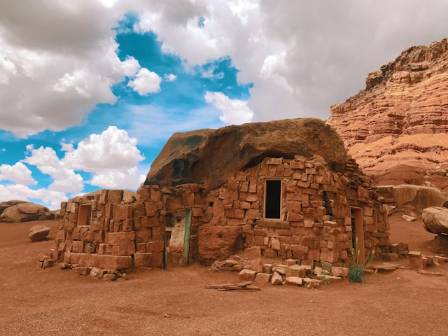
Mountain House by David Guerra
The use of stone in mountain architecture extends beyond visual appeal. These residences also demonstrate approaches to environmentally responsible construction and the preservation of local architectural traditions.
Whidbey Island Farm Retreat, for instance, responds to its agricultural history and wooded setting by retaining existing trees and incorporating locally quarried stone. Weathered timber, concrete, and stone work together to establish a strong relationship between the residence and its rural surroundings.
Across these projects, natural stone serves as more than a construction material. It carries the history and identity of a place, connects contemporary homes with traditional building practices, and provides durability in demanding mountain climates. Its enduring presence creates a lasting relationship between modern architecture and the natural world.
These mountain residences ultimately offer more than shelter. They provide peaceful settings where residents can experience the scale, beauty, and tranquility of the surrounding landscape, with expansive views and natural materials helping bring the character of the outdoors into everyday life.
Nearby projects

· en
Our Top 10 Most Distinctive Coin Banks
Robert Williams

· en
Parrots: The Intelligent and Colorful Birds of the World
Lucas Bennett
· en
Top 5 Most Beautiful Coasts in the World
Evelina Shaw

· en
Steps to Painting Delicate White Roses
Alistair Kane

· en
The romance and history of the message in a bottle
Kaelen Moore

· en
The Top 10 Humanoid Robots
Blake Armstrong