DIY note
Artistic Guide: Illustrating a Coastal Sunset
Capturing the essence of the golden hour on paper is a serene experience akin to listening to a beautiful melody. If you have ever aspired to recreate the sun dipping below the horizon but feel limited by your technical skills, this guide is designed for you. Even for those who struggle to sketch a basic line, this step-by-step tutorial offers a simple path to creating a stunning maritime sunset.
Zachary Cole Harrington
Maker
Bench tip
Read the full note below and keep tools nearby.
Shelf
Hobby build
Capturing the essence of the golden hour on paper is a serene experience akin to listening to a beautiful melody. If you have ever aspired to recreate the sun dipping below the horizon but feel limited by your technical skills, this guide is designed for you. Even for those who struggle to sketch a basic line, this step-by-step tutorial offers a simple path to creating a stunning maritime sunset.
Essential Art Supplies
Before beginning your coastal masterpiece, select the medium that best suits your style. You may choose to work with colored pencils, markers, oil pastels, or acrylics. For the foundation, you can use high-quality illustration board, Stonehenge paper, or standard printing paper. Alternatively, for a more professional finish, a blank white canvas paired with fine markers and a variety of brushes—including round, flat, and fan styles—will allow for greater texture and detail.
Creating the Landscape and Composition
The first step in constructing your scenery is to establish the horizon. Using a ruler if necessary, draw a straight horizontal line across the center of your page to separate the sky from the sea. From there, begin building the terrain by sketching irregular, bumpy mountain valleys on either side of the frame, ensuring they converge toward the middle of your horizon line.
Once the landscape is set, draw a perfect circle to represent the sun, positioned so that it sits nestled between the peaks of your mountain valleys. To create the illusion of light hitting the water, sketch a series of zigzagging lines directly beneath the sun’s silhouette. You can then introduce life to the scene by drawing a palm tree that curves from the valley into the sun’s glow, and a few "M-shaped" birds soaring across the sky. To give the ocean movement, add several angled, wavy lines across the water to depict rolling waves.
Applying Color and Final Touches
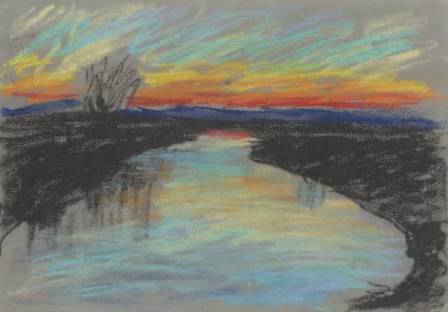
The final phase of your drawing involves bringing the sunset to life through a vibrant palette. Utilize rich oranges, bright yellows, soft pinks, and deep purples to fill the sky and the sun’s reflection. For the ocean, incorporate various bluish hues to provide contrast against the warmth of the heavens. By blending these tones carefully, you can simulate the natural transition of light during the day's end.
This simple method allows artists of any experience level to produce a striking piece of coastal art. Whether you are looking for a relaxing hobby or a new creative project, mastering the sunset is a perfect way to celebrate the beauty of the natural world.

Nearby projects
· en
White-handed Gibbon at Wildlife Gardens
Nyra Bennett

· en
Classic Convertibles for Style and Fun
Ava Bennett
· en
Bluestone Bridge
Rowan Ellery

· en
Table Lamp Size Guide
Adam Rhodes

· en
5 Psychological Reasons We Crave Cake and Sweet Treats
Helen

· en
The 6 Most Futuristic Cities Around the World
Thea Knox