DIY note
5 Psychological Reasons We Crave Cake and Sweet Treats
Have you ever found yourself craving a slice of cake even when you’re not hungry? That intense urge for something sweet and comforting is a common experience for many. It turns out that our desire for cake goes beyond just taste—it’s rooted in biology, brain chemistry, emotions, and learned behaviors. Let’s explore the psychology behind why we love these sugary delights.
Helen
Maker
Bench tip
Read the full note below and keep tools nearby.
Shelf
Hobby build
Have you ever found yourself craving a slice of cake even when you’re not hungry? That intense urge for something sweet and comforting is a common experience for many. It turns out that our desire for cake goes beyond just taste—it’s rooted in biology, brain chemistry, emotions, and learned behaviors. Let’s explore the psychology behind why we love these sugary delights.
1. Evolutionary Attraction to Sweetness
Our preference for sweet foods is deeply ingrained and has roots in our evolutionary history. In ancient times, sweet-tasting foods, like ripe fruits, signaled a safe and energy-rich source of calories, essential for survival. Conversely, bitter or sour tastes often indicated foods that were unripe or potentially harmful. This natural attraction to sweetness made us biologically predisposed to find it pleasurable. Even today, our taste receptors—located in both the mouth and gut—reinforce this desire for sweet foods like cake, linking sweetness with fuel and satisfaction.
2. The Brain’s Reward System
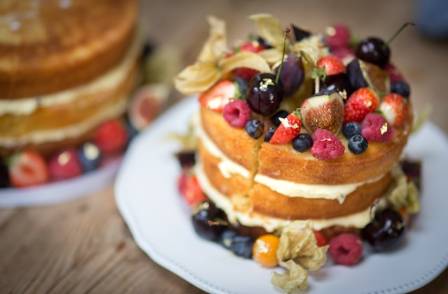
The craving for cake is closely tied to the brain’s reward system, especially the neurotransmitter dopamine, known as the “feel-good” chemical. When we consume something sweet, our brain releases a surge of dopamine, particularly in the nucleus accumbens, creating a pleasurable sensation. This positive feedback loop encourages us to repeat the behavior. This chemical reaction explains why we not only enjoy cake but actively seek it out, as our brain associates sweet treats with happiness and well-being.
3. Hyperpalatable Foods and Sugar’s Power
Modern cakes and other desserts are designed to be "hyperpalatable," meaning they are crafted to contain a perfect mix of sugar, fat, and salt, delivering an intense sensory experience. This combination maximizes dopamine release, making these treats incredibly rewarding to our brains. The irresistible appeal of a slice of cake isn’t just about the taste—it’s a carefully engineered blend of flavors that ensures we keep coming back for more.
4. Emotional Connections to Cake
Our cravings for cake aren’t just biological—they’re often tied to emotions and memories. Many people associate cake with positive events like birthdays, holidays, and family celebrations. These emotional connections create powerful psychological triggers. The mere sight or smell of cake can evoke feelings of nostalgia, comfort, and happiness, sparking cravings even when we’re not physically hungry. Cake often becomes more than just a dessert—it becomes a symbol of warmth and joy.
5. Stress and Comfort Eating
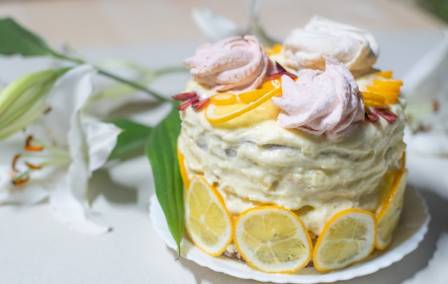
Stress is another key factor behind sweet cravings. When we’re stressed, our bodies release hormones that increase appetite, particularly for high-energy foods like cake. Additionally, sugar consumption can provide a temporary boost in serotonin, a neurotransmitter that regulates mood. As a result, we may turn to cake as a way to self-soothe during difficult times. This is why emotional eating is so common—sugar offers a quick, though temporary, sense of comfort and relief from negative emotions.
Conclusion
The psychology behind our love for cake is complex, involving a mix of biological, emotional, and learned factors. From the evolutionary drive to seek sweetness to the brain’s reward system that makes sugary foods so pleasurable, our cravings are deeply rooted in how we’re wired. Understanding these psychological drivers can help us develop a healthier relationship with sweets, allowing us to enjoy cake mindfully without feeling out of control. Balancing indulgence with self-awareness ensures that our love for cake remains a delightful and conscious experience.
Nearby projects

· en
The Svalbard rock ptarmigan: A unique Arctic land dweller
Matthias Ford
· en
Verified Facts About Morpho Butterflies
Alexander Thompson

· en
Stunning natural wonders in the Middle East
Amelia Brooks

· en
Oceanfront Bedroom View: What It Really Means
Orin Calloway

· en
Exploring Lighthouses in the Western Cape
Daphne Quinn
· en
8 Refreshing Alternatives to Water for Ultimate Hydration
Zoey Harper