DIY note
Plant Shoots: Meaning, Function, Pruning & Propagation
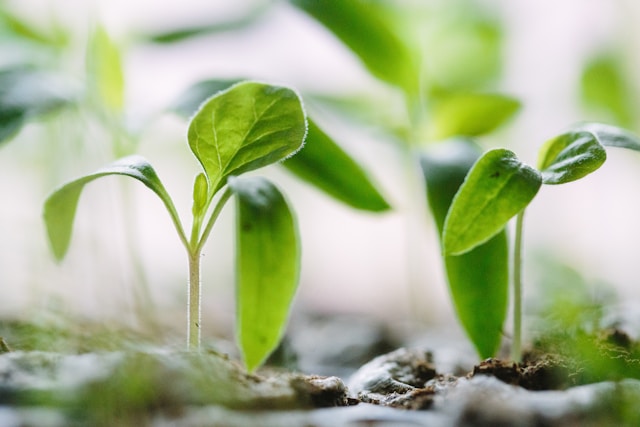
Plant shoots are young, newly formed growths that emerge from a plant’s trunk, roots, or branches. They play a central role in vegetative reproduction and natural regeneration processes. Through shoots, plants can expand, renew themselves, and produce new individuals without relying solely on seeds.
Orion Delacroix
Maker
Bench tip
Read the full note below and keep tools nearby.
Shelf
Hobby build
Plant shoots are young, newly formed growths that emerge from a plant’s trunk, roots, or branches. They play a central role in vegetative reproduction and natural regeneration processes. Through shoots, plants can expand, renew themselves, and produce new individuals without relying solely on seeds.
In gardening and agriculture, shoots are often separated from the parent plant and transplanted elsewhere. This practice reduces competition for water, nutrients, and light between the parent and the new growth, allowing both to develop more effectively. In a broader sense, the term “shoot” is also used symbolically in human language to refer to children or offspring within a family.
What is a plant sucker or shoot?
A plant shoot is a young, actively growing stem that develops from the main trunk, branches, or even the root system of a parent plant. It appears in both woody and herbaceous species and reflects the plant’s strong regenerative ability. Shoots are essential components of plant life cycles and are widely used in horticulture for propagation.
In everyday language, shoots are often described as the “offspring” of the mother plant because they can grow independently once separated. Gardeners frequently use this natural ability to multiply plants by detaching healthy shoots and replanting them in new locations, where they can develop without competing with the original plant.
From a botanical point of view, shoots are typically easy to identify. They tend to have softer tissues, a brighter green color, and a more delicate structure compared to mature stems or branches. They also display strong early growth because the plant concentrates much of its energy in these young structures.
Key characteristics of plant shoots
Young developing growth: Shoots are newly formed stems with tender leaves and soft tissues.
Origin diversity: They may arise from trunks, branches, or underground root systems.
Independent development potential: Once separated and planted, shoots can grow into fully independent plants.
Resource competition: Shoots share water, nutrients, and light with the parent plant, which can create competition if not managed.
Reproductive role: They are a natural method of vegetative propagation widely used in farming and gardening.
Ecological importance: Shoots help maintain species continuity and enable natural regeneration.
Rapid initial growth: Shoots typically show fast and vigorous early development compared to mature parts of the plant.
Types of shoots based on origin
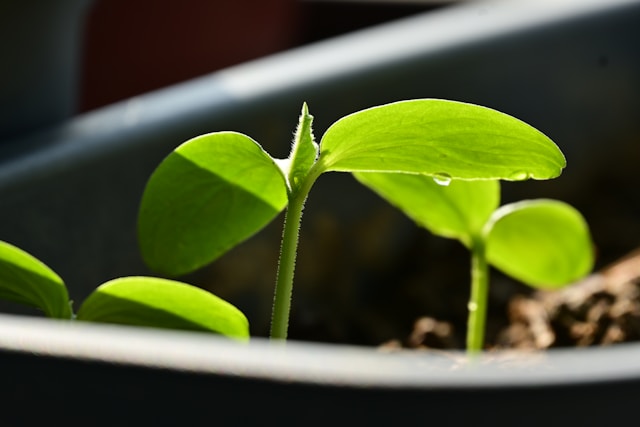
Basal shoots: These grow from the base of the plant or near ground level, often emerging from shallow roots. They are common in shrubs, fruit trees, and banana plants.
Aerial shoots: These appear on stems or branches, usually after pruning or physical damage.
Root shoots: These originate from underground root systems, typical in species like willows and poplars.
Pruning-induced shoots: These develop after human pruning activities, often as a response to stimulate regrowth or reshape the plant.
Role of shoots in reproduction and plant life cycles
Shoots are a key mechanism in vegetative reproduction. While many plants rely on seeds, others reproduce efficiently through shoots that produce genetically identical offspring. This ensures the preservation of desirable traits in cultivated plants such as fruit trees, bananas, and ornamental species.
In natural environments, shoots support vegetation recovery after disturbances like fire, grazing, or cutting. Many perennial plants regenerate through shoots every growing season, helping ecosystems remain stable. In some cases, invasive species use this method to spread rapidly.
Why separating shoots is beneficial
Reducing competition: Detaching shoots prevents them from competing with the parent plant for essential resources.
Encouraging independent growth: Transplanted shoots can develop more fully without environmental constraints from the original plant.
Efficient propagation: Shoots allow fast multiplication without waiting for seed germination.
Maintaining plant health: Removing excess shoots helps the parent plant maintain strength and balanced growth.
How to remove and transplant shoots
The process of separating shoots must be done carefully to avoid damaging the plant.
Identification: Observe the base and branches where shoots are forming.
Selection: Choose vigorous shoots with signs of healthy development or early root formation.
Separation: Use clean tools or hands to detach the shoot, ensuring some roots or nodes remain attached if possible.
Transplanting: Place the shoot in nutrient-rich soil or a suitable container and keep moisture levels stable during early growth stages.
In crops such as banana plants, shoot propagation is one of the main reproduction methods and requires careful handling for success.
Role of shoots in gardening and agriculture
Managing shoots is an important skill in horticulture and farming. It helps in multiple ways:
Rejuvenating older plants by replacing weak growth with healthier shoots.
Controlling plant shape and size through selective removal.
Improving flower and fruit production by redirecting energy to stronger branches.
Ecological role of shoots
In ecosystems, shoots are essential for plant survival and recovery after environmental stress such as drought, fire, or human disturbance. Many native plants rely on shoots to regenerate quickly and maintain population stability.
Shoots also contribute to biodiversity and soil stabilization during ecosystem restoration. Additionally, they provide fresh food sources for herbivores in many habitats.
Differences between shoot, sprout, and scion
Shoot: A young stem that develops into a new plant or growth structure.
Sprout: A general term for any emerging plant growth such as leaves or stems.
Scion: A plant segment used in grafting or a young stem that may develop independently.
Regrowth: Refers broadly to new vegetation appearing after pruning or seasonal change.
Importance of shoot pruning
In crops like tomatoes, peppers, roses, and fruit trees, controlling shoots is essential. Excess shoots can divert energy away from flowers and fruit production. Pruning is usually done when shoots are still soft and young to ensure easy removal and reduce plant stress.
Shoots in agricultural fodder systems
In some farming contexts, shoots refer to regrowth after harvesting grasslands. These young plants are often softer, higher in water content, and less mature than hay. Although less nutrient-dense, they are still used as animal feed in seasonal cycles.
Symbolic meaning of shoots
Beyond biology, “shoots” are often used as a metaphor for children or descendants in human families. This reflects the idea of new life growing from an existing source, symbolizing continuity, growth, and hope.
Etymology of the word “shoot”
The term originates from Latin roots associated with repetition and renewal, reflecting the idea of fresh growth emerging repeatedly. Across cultures, it has been used to symbolize rebirth, continuity, and generational succession in both nature and human society.
Conclusion
Plant shoots demonstrate the remarkable ability of plants to regenerate, multiply, and adapt. Whether in natural ecosystems or cultivated gardens, they serve as a vital mechanism for growth and survival. In human culture, the term also carries emotional meaning, linking botanical life with family continuity and renewal.
Nearby projects

· en
Gorilla: The Largest of the Great Apes
Lily Brooks

· en
Essential Knowledge Regarding Planet Earth
Ethan Samuel Whitfield

· en
Chibi-Robo: The Tiny Guardian of Happiness
Grayson Oliver Caldwell
· en
The Snake Plant: A Complete Guide to Sansevieria Care and Cultivation
Madison King

· en
Top 10 Longest Sea Bridges in the World
Aria Sterling

· en
Everything You Need to Know About Roses
Mira Lawson