DIY note
Crab-eating Macaque: The Adaptable Monkey of Southeast Asia
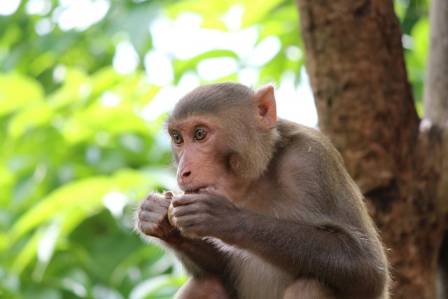
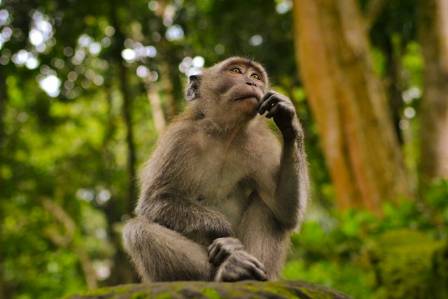
The crab-eating macaque, also widely called the long-tailed macaque, is a native primate of Southeast Asia. Its natural range covers countries such as Indonesia, Malaysia, Thailand, and the Philippines, while populations also occur along parts of the Indian coast and on major tropical islands including Borneo and Sumatra.
Ronan Ellis
Maker
Bench tip
Read the full note below and keep tools nearby.
Shelf
Hobby build
The crab-eating macaque, also widely called the long-tailed macaque, is a native primate of Southeast Asia. Its natural range covers countries such as Indonesia, Malaysia, Thailand, and the Philippines, while populations also occur along parts of the Indian coast and on major tropical islands including Borneo and Sumatra.
These areas provide abundant resources and dense vegetation that offer both food and protection. Coastal environments, particularly mangrove forests, are especially valuable because they support a great diversity of plants and animals and create suitable conditions for these highly adaptable monkeys.
Their ability to adjust to different surroundings also brings them into areas heavily influenced by people. In towns, cities, and popular tourist destinations, crab-eating macaques may take advantage of readily accessible human food. Although this flexibility can help them survive in changing environments, it can also lead to conflicts when the monkeys become accustomed to human presence.
A Flexible and Resourceful Diet
Crab-eating macaques are omnivores with a broad and adaptable feeding strategy. Their diet can include fruits, leaves, insects, and small animals living in or around water.
Their common name is connected to their habit of catching and consuming crabs, particularly in mangrove habitats. This specialized feeding behavior is relatively unusual among primates and demonstrates how effectively the species can take advantage of different food resources.
Their varied diet allows them to occupy a wide range of environments. In areas frequented by people, however, their normal feeding habits can change when they begin consuming discarded food, household waste, or leftovers from visitors.
These macaques also contribute to the health of their ecosystems. As they consume fruits and later deposit the seeds in their droppings, they help disperse plants and support the regeneration of forests. Even when they move through human-dominated environments, they continue to serve an ecological role in tropical forests and coastal habitats.
Social Structure and Reproduction
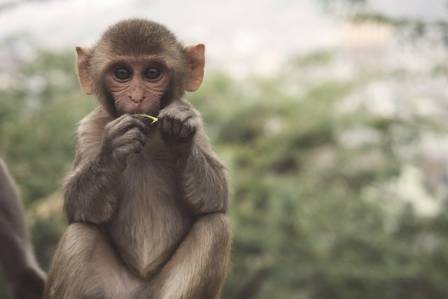
Crab-eating macaques are strongly social primates and generally live in groups that may contain several dozen individuals.
Their communities are organized around a matrilineal system, with females forming the central structure of the group and many social relationships being maintained through the female line. Once they reach maturity, males typically leave the group where they were born, a behavior that helps limit inbreeding.
Social status is an important part of life within the troop. An individual's position in the hierarchy can affect access to food, interactions with other members, and opportunities to reproduce.
Females generally give birth to a single infant after a gestation period of approximately 165 days. Mothers provide most of the early care, while other members of the group also contribute to the young monkey’s social environment. After being weaned at around one year of age, juveniles continue developing essential survival skills by observing and interacting with other members of their group.
Relationship With Humans: Culture and Conflict
In certain parts of their range, crab-eating macaques have important cultural associations and receive protection because of traditional beliefs. On islands such as Bali, they are also a major attraction for visitors and have become closely connected with local tourism.
However, frequent contact with people can produce significant challenges. Because these monkeys are intelligent, curious, and highly adaptable, they may enter human areas, take food, or behave aggressively when interacting with people.
They can also be affected by hunting, capture, and other forms of exploitation for human purposes.
For these reasons, finding ways to manage interactions between macaques and people has become increasingly important. Some national parks and protected areas have introduced educational initiatives that teach visitors how to behave responsibly around the animals while encouraging respect for their natural behavior.
Threats and Conservation Efforts
Although the crab-eating macaque is currently classified as Least Concern by the IUCN, the species continues to experience increasing environmental pressures.
Major concerns include deforestation, destruction of mangrove environments, agricultural expansion, human development, and the fragmentation of natural habitats.
As forests and coastal ecosystems are reduced, macaques are increasingly pushed into smaller areas that have been altered or disturbed by human activity.
Conservation initiatives seek to safeguard remaining habitats while also involving nearby communities. In Malaysia, for example, some conservation projects emphasize the restoration of mangrove forests, which provide important habitat not only for long-tailed macaques but also for many other native species.
A Species Connecting Nature and Human Society
Crab-eating macaques demonstrate how closely wildlife can become connected with human environments through their intelligence, flexibility, and sophisticated social lives.
Ensuring their long-term survival requires more than protecting individual animals. It also involves conserving the ecosystems they depend upon and developing practical approaches that allow people and wildlife to share landscapes with fewer conflicts.
These adaptable long-tailed macaques serve as a reminder that every species contributes to the functioning of its ecosystem. Protecting tropical forests and coastal habitats is therefore essential for creating a future in which wildlife populations and human communities can continue to coexist.
Nearby projects
· en
Succulent Plants: The Perfect Indoor Greenery
Lucien Barrett

· en
Chibi-Robo: The Tiny Guardian of Happiness
Grayson Oliver Caldwell
· en
The fascinating lives of badgers
Nova Bellamy
· en
Top 5 Waterfalls
Eliana Kingsley

· en
Everything You Need to Know About Roses
Mira Lawson

· en
Handcrafted Holiday Decor: Creative DIY Christmas Tree Ornaments
Shirley Ann Prescott