DIY note
The Snake Plant: A Complete Guide to Sansevieria Care and Cultivation
Sansevieria plants are among my favorite indoor plants. Although botanists have recently reclassified them into the genus Dracaena, their former scientific name is still widely used as a common name. These plants are known by several names, such as “snake plant” and the more humorous “mother-in-law’s tongue.” Like many houseplants, some varieties have been popular for decades, while newer species and unique cultivars continue to appear on the market.
Madison King
Maker
Bench tip
Read the full note below and keep tools nearby.
Shelf
Hobby build
Sansevieria plants are among my favorite indoor plants. Although botanists have recently reclassified them into the genus Dracaena, their former scientific name is still widely used as a common name. These plants are known by several names, such as “snake plant” and the more humorous “mother-in-law’s tongue.” Like many houseplants, some varieties have been popular for decades, while newer species and unique cultivars continue to appear on the market.
Sansevierias grow from underground rhizomes, with leaves emerging directly from the base of the pot. When they are happy in their environment, they grow vigorously—sometimes so much that they can crack their containers. For this reason, plastic pots are often the best choice, as they can flex with the plant’s expansion. If you prefer decorative clay or ceramic pots, it is better to place the plant in a smaller plastic pot first, then set it inside the outer container. The space between can be covered with materials like Spanish moss for a neat appearance. Native to Africa, these plants are sensitive to cold and should not be exposed to temperatures below 55°F, though normal indoor conditions are generally suitable. Their upright growth habit also makes it easy to display multiple varieties in a limited space.
One of the most common mistakes with Sansevieria is overwatering, which can quickly lead to plant death. During winter, watering once a month is usually sufficient, and even then only lightly. The soil should never remain soggy, as this can cause root rot. In warmer months, when the plant is actively growing, allow the soil to dry out between waterings before watering more thoroughly. While these plants are often labeled as tolerant of low light, they still require some illumination to survive. Placing them in very dark corners may keep them alive for a short time, but eventually they will weaken and die due to lack of energy. Bright, indirect light is ideal. Another issue is that their flat leaves tend to collect dust, which can block light absorption. This can be managed by wiping the leaves, using a blower, or rinsing them outdoors in warm weather.
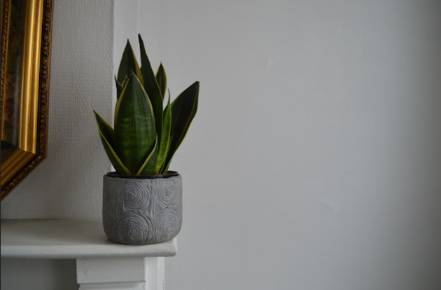
Sansevierias can generally be divided into two main categories: those with flat leaves and those with cylindrical leaves. Within each category, some varieties grow tall while others remain compact. Taller types are excellent as floor plants, while smaller ones are well suited for tabletops or shelves. These plants are also very easy to propagate. One effective method is division during repotting, which maintains a full and attractive appearance. For faster multiplication, leaf cuttings can be used—either by dipping them in rooting hormone and planting them directly, or by placing them in water and changing the water regularly until roots develop.
Most people are familiar with the classic green or dark green snake plant, as well as the version with yellow-edged leaves. However, many striking new varieties are now available. For instance, the cultivar “Moonshine” features a uniform pale green color without any patterns, while “Hi Color” displays leaves with more yellow than green. There are also varieties bred for very dark foliage that can appear almost black. One particularly interesting type is Sansevieria masoniana, often called “whale tail” or “shark fin” because of its broad, distinctive leaves. No matter which variety you choose, Sansevieria plants are a reliable and attractive addition to any indoor space. They are widely available in garden centers and home stores, making it easy to bring one home and add a touch of greenery to your living environment.
Nearby projects

· en
Top 10 Highest Peaks in the Alps
Marina Caldwell
· en
6 Science-Backed Health Benefits of Peaches: More Than Just a Sweet Stone Fruit
Aiden

· en
Your Guide to Buying Water Bottles
Clara Reeves

· en
Atlas Mountains Trekking Morocco: A Journey of Nature, Culture, and Altitude
Iris

· en
Four Essential Pieces of Knowledge About the Pileated Woodpecker
Richard Martinez

· en
Guinea Pig Care for Pet Owners
Iris Dalton