DIY note
Caring for Phalaenopsis Orchid
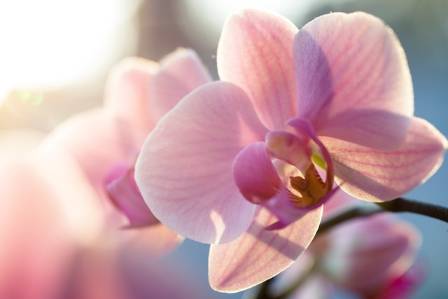
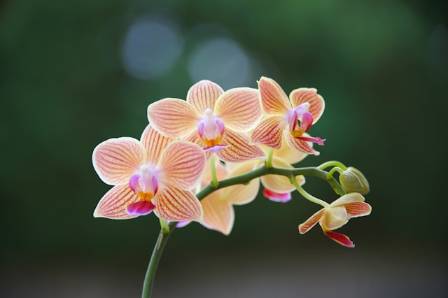
Phalaenopsis orchids, also known as moth orchids, are among the easiest orchids to grow indoors. With only basic care, these plants can continue producing new growth and beautiful blooms year after year. Their flowers can remain attractive for around six weeks or even longer, and they are available in many different colors and patterns. By providing the right amount of light and maintaining steady moisture, you can enjoy these elegant flowers for many years.
Esme Dalton
Maker
Bench tip
Read the full note below and keep tools nearby.
Shelf
Hobby build
Phalaenopsis orchids, also known as moth orchids, are among the easiest orchids to grow indoors. With only basic care, these plants can continue producing new growth and beautiful blooms year after year. Their flowers can remain attractive for around six weeks or even longer, and they are available in many different colors and patterns. By providing the right amount of light and maintaining steady moisture, you can enjoy these elegant flowers for many years.
Light Requirements
Proper lighting is essential for strong growth and regular flowering. Inside the home, an east-facing or west-facing window usually provides the ideal amount of light. A south-facing window can also work if the sunlight is filtered or partially shaded, since intense direct rays may burn the leaves.
Phalaenopsis orchids can also grow successfully under artificial lighting. Modern full-spectrum LED grow lights are an effective and affordable option for indoor growers.
Healthy orchid leaves should stand fairly upright and have a medium green, olive-like color. Leaves that become very dark green, soft, or droopy often indicate that the plant is not receiving enough light.
Watering
Excess water is the most common cause of problems with Phalaenopsis orchids. When the roots and central crown remain constantly wet, they can begin to decay, preventing the plant from absorbing nutrients properly. This often leads to weak, hanging leaves and eventually plant loss.
Water your orchid when the growing medium has started to dry, which is usually about every 7 to 10 days depending on your environment. When watering, thoroughly soak the plant and allow any extra water to drain away completely.
Avoid leaving water trapped in the spaces between the leaves, as this can encourage crown rot. Always grow Phalaenopsis orchids in a container with excellent drainage and use a suitable orchid potting mix that allows air to reach the roots.
Temperature Conditions
Phalaenopsis orchids adapt well to normal indoor temperatures and can grow comfortably in most homes. During the growing season, the plant typically produces one or two new leaves each year.
After this growth period ends, usually in autumn, a flower spike often develops from the stem below the second or third leaf from the top. Exposing the plant to several cooler nights around the 60°F range can help encourage the formation of flower spikes.
Most Phalaenopsis orchids bloom from late winter through spring. Once flowers fade, the blooming stem can be trimmed halfway back to encourage the possibility of another flower spike. If no new growth appears after about a month, the old spike can be removed completely.
Fertilizing
Phalaenopsis orchids benefit from regular feeding, but they are more sensitive to excessive fertilizer than to receiving slightly less. A common recommendation is the “weakly, weekly” method.
Use a fertilizer specifically designed for orchids at approximately one-quarter of the recommended strength each time you water instead of giving the plant a strong monthly feeding. Light and consistent fertilization helps support healthy roots, leaves, and flowers without causing fertilizer buildup.
Repotting
Repotting should generally take place every one to two years, before the orchid potting material begins to break down too much. The best time to repot is after the main flowering period has finished, using fresh orchid growing medium.
During repotting, remove the old material and trim away any dead, damaged, or unhealthy roots. Choose a new pot based on the size of the root system rather than the overall size of the leaves and stems. Phalaenopsis orchids actually prefer being slightly root-bound.
Clear orchid containers can be especially useful for beginners or anyone who tends to overwater. Because the pot is transparent, it allows you to easily check whether the growing medium is still damp before adding more water.
Nearby projects

· en
Strategic Guide to Winter Fashion: Combining Warmth with Style
Lucas Donovan Pierce

· en
Best tropical island vacations
Ezra Quinn

· en
The Finest Coupes of 2025: Style Meets Substance
Eleanor Vance

· en
The Groundwork: Mastering Rug Sizing Beneath Your Coffee Table
Oliver Reed

· en
All About Parrots
Victor Hayes
· en
The Tale of the Snake Plant
Maelin Frost