DIY note
5 Remarkable Rainforest Trees and Their Importance
Trees play an indispensable role in sustaining life on Earth, providing the air we breathe, the water we drink, and much of the food we eat. Beyond these essential functions, forests help regulate our global climate. While there are over 60,000 tree species worldwide, here are five particularly remarkable rainforest trees that deserve recognition for their ecological and cultural significance.
Amy White
Maker
Bench tip
Read the full note below and keep tools nearby.
Shelf
Hobby build
Trees play an indispensable role in sustaining life on Earth, providing the air we breathe, the water we drink, and much of the food we eat. Beyond these essential functions, forests help regulate our global climate. While there are over 60,000 tree species worldwide, here are five particularly remarkable rainforest trees that deserve recognition for their ecological and cultural significance.
Kapok Tree
Towering up to 200 feet in height, the kapok tree spans from southern Mexico to the Amazon and West Africa. Some varieties feature protective spines or conical thorns, while their extensive root systems create valuable habitats for frogs, birds, and bromeliads. For indigenous communities like Ecuador's Sani Kichwa, the kapok holds deep cultural significance as "the father of all animals," representing the interconnectedness of forest life.
Rubber Tree
Native to the Amazon region, the rubber tree has provided versatile latex sap for everything from tires to waterproof clothing. Indigenous peoples including the Olmec, Maya, and Aztec first discovered the utility of this milky white substance. After approximately six years of growth, the tree can be sustainably tapped by carefully removing thin strips of bark, with the collected latex processed into natural rubber.
Ramón Tree
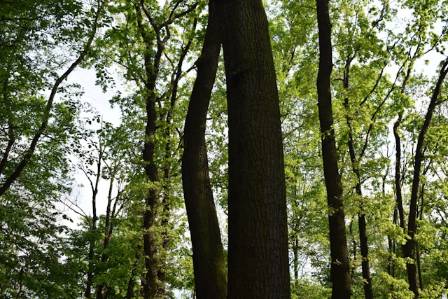
Indigenous to Central America, South America, and the Caribbean, the ramón tree has been cultivated for centuries by local communities. These trees produce nutritious nuts from their fruit that can be dried and stored for up to five years without spoiling. This remarkable preservation quality makes the ramón tree a crucial food security resource in regions experiencing frequent drought and food instability.
Xate Palm
Growing in the understory of Neotropical forests, xate (pronounced SHA-tay) encompasses three palm species primarily found in Belize and Guatemala. These lush, hardy leaves can survive up to 45 days after cutting, making them popular in floral arrangements worldwide. For women in Guatemala's Maya Biosphere Reserve, sustainable xate harvesting has created economic opportunities while promoting forest conservation and female leadership in community enterprises.
Ipê Tree
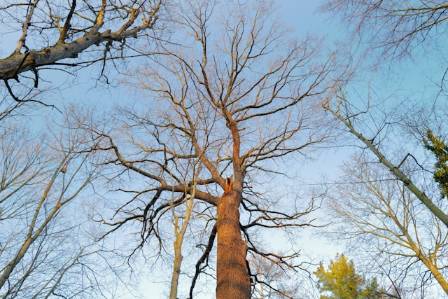
Despite its delicate-looking blooms, the ipê tree possesses incredibly durable wood with fire resistance comparable to concrete and steel. Found in South America's tropical forests, this tree's natural resistance to fungi and insects makes it ideal for construction, particularly in coastal environments where moisture typically accelerates decay in other building materials.
These five tree species represent just a fraction of the incredible biodiversity found in the world's rainforests. Each plays a vital role in their ecosystem while providing valuable resources and cultural significance to local communities. Protecting these trees and their forest habitats remains crucial for maintaining ecological balance and supporting sustainable livelihoods.
Nearby projects

· en
Unveiling the Cosmic Palette: The Average Color of the Universe
Alexander Jude

· en
8 Refreshing Alternatives to Water for Ultimate Hydration
Zoey Harper
· en
Macro Photography: Phalaenopsis Orchid
Morgan Ellis
· en
15 Facts About Alpacas
James Turner

· en
Our Favorite Landline Phones Are Calling
Jasper Reed
· en
Chimpanzees: Redefining What It Means to Be Human
Aurora Sinclair