DIY note
All About Delphiniums (Larkspur)
Delphiniums are among the most eye-catching flowers grown in home gardens. They are famous for their impressive upright flower stems, which can grow up to six feet tall and create a dramatic display. Although blue is the most recognized color, delphiniums are also available in shades of pink, purple, white, and other unique combinations. For example, the Delphinium Highlander Rainbow Sensation variety can display beautiful transitions of pink, lilac, and yellow tones.
Sophia Turner
Maker
Bench tip
Read the full note below and keep tools nearby.
Shelf
Hobby build
Delphiniums are among the most eye-catching flowers grown in home gardens. They are famous for their impressive upright flower stems, which can grow up to six feet tall and create a dramatic display. Although blue is the most recognized color, delphiniums are also available in shades of pink, purple, white, and other unique combinations. For example, the Delphinium Highlander Rainbow Sensation variety can display beautiful transitions of pink, lilac, and yellow tones.
Delphiniums are also commonly called larkspur, although not every plant referred to as larkspur belongs to the Delphinium genus, which includes as many as 300 species. The name “delphinium” comes from the Greek word meaning “dolphin,” inspired by the shape of the flower buds, which resemble a dolphin’s nose. Dutch Grown offers several different varieties of these remarkable flowers for gardeners to enjoy.
Delphinium Appearance
Larkspurs are easily recognized by their tall flower columns, which typically bloom from midsummer through late autumn. Depending on the variety, flowers may appear as single or double blooms.
While traditional delphiniums are often associated with brilliant blue blossoms, they can also produce flowers in violet, pink, red, white, and other shades. Their fragrance is very subtle or nearly nonexistent, although some gardeners describe the scent as fresh and clean.
Growth Characteristics of Delphiniums
Although delphiniums are technically perennial plants, they are considered short-lived perennials and usually remain productive for only two to three years. With the right growing conditions, however, they can spread and produce additional plants.
Approximately every three years, gardeners can lift the roots, remove older sections, and replant the young shoots that develop around the outside of the main clump. This helps refresh the plant and encourage continued growth.
Delphinium varieties vary greatly in size. Some produce compact flower spikes only a few inches tall, while others create towering stems reaching six feet in height, making them suitable for many different garden designs.
Delphinium Growing Requirements
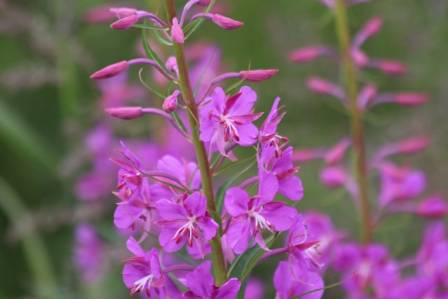
Delphiniums can require a little extra attention, but their spectacular appearance makes the effort worthwhile. They should be planted outdoors in spring and perform best in locations with full sun or partial shade.
These flowers prefer soil that remains moist but drains well. They are heavy feeders and benefit from regular fertilization, often responding well to weekly feeding during the growing season.
Once flower stalks finish blooming, they should be removed to encourage additional flowering. The roots can remain in the ground during winter, but applying mulch in autumn helps protect the plant from harsh conditions.
Delphiniums enjoy bright sunlight but also prefer cooler temperatures, so choosing the right planting location according to your climate zone is important.
How to Encourage More Delphinium Flowers
To create stronger and more impressive flower spikes, gardeners can thin side shoots when they reach about three inches tall. Keeping only two or three healthy shoots on young plants allows the plant to concentrate its energy on producing taller, stronger stems.
Because delphinium flower stalks can become quite tall, they often require staking for support. After the first round of flowers fades, cutting back the spent stalks can encourage the plant to produce another bloom cycle.
With proper care, delphiniums can flower multiple times throughout the summer. For indoor arrangements, cut the stems when buds begin showing color and are just starting to open. Fresh-cut delphinium flowers can last for approximately eight days in a vase.
Best Places to Plant Delphiniums
Delphiniums are versatile plants that can be incorporated into many garden styles. Gardeners with limited space can grow smaller varieties in large containers, provided the pots are large enough to support their root systems.
Shorter varieties work beautifully as front borders, while taller types create a dramatic background behind smaller flowers. Their elegant appearance also makes them excellent choices for cottage gardens and cutting flower gardens.
Because delphiniums are toxic to both humans and animals when consumed, they can also be included in a designated “poison garden” as an interesting and unusual landscape feature.
Reasons to Grow Delphiniums
Few garden flowers can match the beauty and impact of delphiniums. Their tall, colorful flower spikes naturally become a focal point and bring vertical interest to any landscape.
These flowers are not only attractive to people but also provide benefits for wildlife. Butterflies and hummingbirds are especially drawn to delphinium blooms, adding movement and life to the garden.
Beyond their outdoor beauty, delphiniums are excellent cut flowers that can be used to create elegant indoor arrangements, allowing gardeners to enjoy their charm both inside and outside the home.
Nearby projects

· en
The Pinnacle of Luxury: 7 Prestigious Clothing Brands
Penelope Sage
· en
A Five-Step Methodology for Painting Animals and Beyond
Isabella Morgan Pierce
· en
10 Intriguing Insights Into the American Robin
Lion

· en
The Svalbard rock ptarmigan: A unique Arctic land dweller
Matthias Ford

· en
Bluestone Bridge
Rowan Ellery
· en
The Familiar Wild Duck of the Northern Hemisphere
Nessa Beaumont