DIY note
Discover The Fasage Facts About Iconic Australian Koalas
Koalas are truly famous creatures found only in Australia. They capture hearts everywhere with their fluffy appearance and sleepy habits. Sadly, these animals now face extinction. Conservation teams work hard to help the public understand their unique needs. This guide answers common questions and corrects major myths. It offers insights into their strange behaviors and daily requirements. We hope this information inspires you to value these special creatures.
Gardner William
Maker
Bench tip
Read the full note below and keep tools nearby.
Shelf
Hobby build
Koalas are truly famous creatures found only in Australia. They capture hearts everywhere with their fluffy appearance and sleepy habits. Sadly, these animals now face extinction. Conservation teams work hard to help the public understand their unique needs. This guide answers common questions and corrects major myths. It offers insights into their strange behaviors and daily requirements. We hope this information inspires you to value these special creatures.
What Defines a Koala
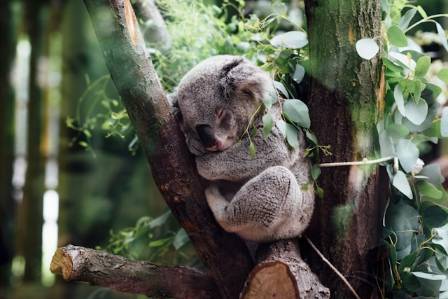
Koalas are tree-dwelling marsupials native to Australia. Marsupials form a unique subset of mammals. They give birth to tiny undeveloped babies called joeys. These young creatures grow inside a special pouch on their mother's belly. You might think they look cuddly. However, they remain wild animals. You must always admire them from a safe distance.
Scientific Background and Naming
The scientific name for this animal is Phascolarctos cinereus. They serve as the only living members of the Phascolarctidae family. The Greek term Phascolarctos translates to pouch bear. The Latin term cinereus refers to their ash colored fur. British zoologist George Perry first used this name in 1810.
Geographic Range Within Australia
These marsupials live across eastern and south-eastern Australia. This includes Queensland, New South Wales, Victoria, and South Australia. They prefer regions with many eucalyptus trees. These trees provide essential food and shelter. The Northern Rivers region supports a genetically diverse population. You can spot them in towns like Ballina, Byron, and Lismore. Sightings also occur in Richmond Valley and Tweed.
Dispelling the Bear Myth
The world often calls them koala bears. They look somewhat like teddy bears. However, they are not bears at all. They are mammals known as marsupials. They share a closer relation to kangaroos and wombats.
Specialized Diet and Digestion
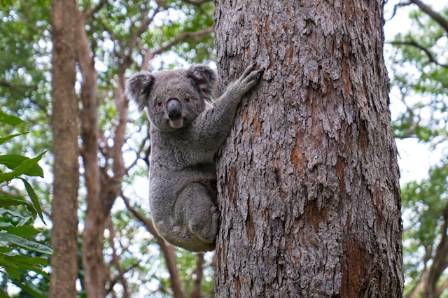
Their diet is extremely specific. It centers almost entirely on eucalyptus trees. They eat the flowers, buds, stems, and bark. Australia hosts over seven hundred eucalyptus species. Koalas are very picky eaters. They only choose a few specific types. Their preferred food includes Forest Red Gum and Tallowwood. They also enjoy Swamp Mahogany. Eucalyptus leaves are tough and fibrous. They offer very low nutritional value. These animals evolved to manage this diet. An organ called the caecum helps them. It breaks down fibrous leaves to extract nutrients. It also contains bacteria. These organisms neutralize toxic compounds in the leaves.
How Do They Hydrate
They usually obtain hydration from their food. Eucalyptus leaves contain over fifty percent water. They rarely need to drink water directly. The word koala comes from an ancient term meaning no drink. This changes during extreme heat or drought. They may drink from tree hollows or puddles. Never offer a wild animal water from a bottle. This practice can harm them. Call a local rescue organization if you see a dehydrated animal.
Preferred Living Environment
Their habitat consists of eucalyptus forests. These trees are crucial for their survival. They provide food, shelter, and a space to thrive. These marsupials spend most of their time on branches. They feast on leaves and take long naps. Habitat loss poses a massive threat to their numbers. We must focus on conservation. We need to preserve natural forests and create wildlife corridors.
Health Challenges Like Chlamydia
These animals are prone to many diseases. Chlamydia remains a major concern. The bacteria Chlamydia pecorum causes this condition. It leads to serious issues like pneumonia and infertility. Stress and habitat loss may contribute to its spread. When animals suffer from deforestation, their immune systems weaken. This makes them more susceptible to infection. Scientists developed a vaccine to protect them. This project helps boost their immune response.
Lifespan in the Wild and Captivity
Their lifespan varies by environment. They typically live ten to fifteen years in the wild. Some reach nineteen years. Dangers include predators, diseases, and traffic. Captive animals often live fifteen to twenty years. They receive regular care and controlled diets. However, these animals belong in the wild. Captivity cannot replicate their complex physical and social needs. They play a vital role in balancing their ecosystem.
Extraordinary Sleeping Habits
They are expert sleepers. They snooze for up to twenty-two hours daily. This rest helps them conserve energy. They use it to digest fibrous leaves. They also need energy to move between trees. They search for mates and escape predators.
Unique Reproductive Biology
They belong to a subclass of mammals called marsupials. Placental mammals have long gestation periods in the womb. Marsupials give birth to undeveloped babies. After birth, the joey crawls to the pouch. It attaches to a nipple. It continues to grow for several months. Milk provides all necessary nutrients. Famous examples include kangaroos, wallabies, and wombats.
Endangered Status and Threats
They were officially classified as endangered in 2022. This applies to populations in New South Wales and Queensland. Key factors include habitat destruction and climate change. Bushfires, accidents, and dog attacks also cause declines. Understanding these threats helps us implement better strategies. We must protect this iconic species for future generations.
Interaction and Safety
They are usually gentle creatures. Like any wild animal, they can turn aggressive. They possess sharp claws and teeth. Never attempt to touch a wild animal. Always enjoy them from a safe distance. Contact a local rescue organization if you suspect an animal needs help.
Activity Patterns
They are mostly nocturnal and crepuscular. They remain active at night, dawn, and dusk. However, they can move during the day. Be very careful while driving in their habitat.
Natural Predators
They face threats from birds of prey. Dingoes and pythons also hunt them. Domestic cats and dogs pose risks as well.
Vocal Communication
They produce varied sounds. These range from grunts to loud bellows. These noises play a big role in social interactions. Males produce deep resonant bellows. This signal attracts females and warns rivals. Females produce squeaks and screams. They use these to communicate with young. Joeys use high-pitched chirping to stay connected. Sniffing and hissing warn threats to back off.
Swimming Abilities
They are not natural swimmers. However, they can paddle if necessary. They use strong limbs and sharp claws to move through water. They swim to escape predators or evade floods.
Unique Feeding Process for Joeys
Mothers feed their joeys in a special way. Joeys are born smaller than one gram. They stay in the pouch for six months. They feed on nutrient-rich milk. A substance called pap is crucial. It is a pre-digested form of leaves. The mother excretes this from her body. It introduces vital microorganisms to the joey. This helps the young digest tough fibers. Joeys transition to solid leaves around six months old.
Outlook for Future Survival
They face potential extinction by 2050 in New South Wales. This threat comes from habitat loss and disease. Eucalyptus trees provide their only resource. Land clearing causes fragmented populations. Climate change creates frequent droughts and bushfires. Conservation groups work to protect and restore habitats. They plant food trees and create wildlife corridors.
Human Conservation Efforts
Humans work to protect their future. Conservationists preserve eucalyptus forests. Reforestation projects create new living spaces. Hospitals treat injured or sick individuals. Education programs raise awareness. Researchers monitor health and populations. This work guides effective survival strategies.
Can You Keep One as a Pet
It is illegal to keep one as a pet. They are wild animals with specific needs. They require fresh leaves every day. Keeping them as a pet causes significant harm. They have sharp teeth and claws. Always enjoy them in the wild.
Adopting a Koala
You can symbolically adopt an animal. This supports conservation efforts. Adopting contributes to habitat preservation. It makes a meaningful gift for others.
Should You Pat Them
Most places forbid patting or holding them. This causes extreme stress. It also risks spreading disease. Always enjoy them from a distance.
Nearby projects

· en
Top Desert Off-Road Vehicles
Jax Reed

· en
8 Smart Posing Tricks to Nail Sunglasses Photos
Jensen

· en
Volkswagen Beetle: Iconic Models, Design Evolution, and Cultural Legacy
Vivienne Sloane
· en
Four Essential Pieces of Knowledge About the Pileated Woodpecker
Richard Martinez
· en
How and Why to Take Up Winter Hiking
Matthew Clarke

· en
How to Grow and Care for a Monstera Houseplant
Liora Sage